
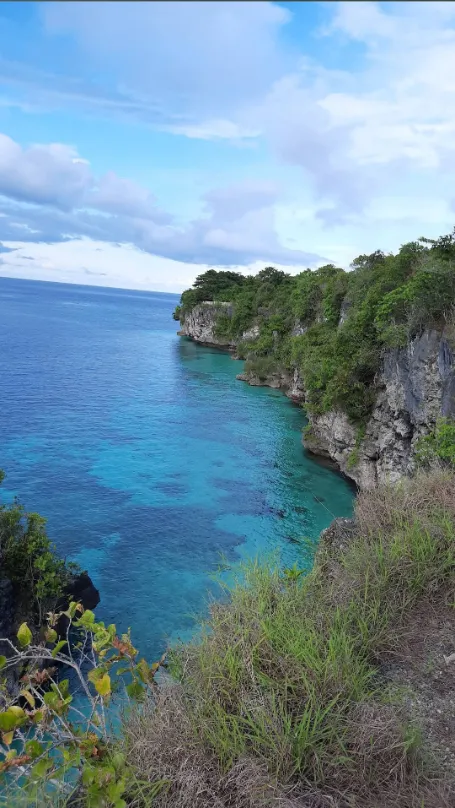
10 Amazing Places to Explore in Wakatobi for an Unforgettable Journey
A practical list of Wakatobi islands, reefs, beaches, and cultural places for travelers building a focused marine journey.
Explore ten Wakatobi destinations across Wangi-Wangi, Kaledupa, Tomia, Hoga, Sombu, Kontamale, Liya Togo, and the wider island route.
Wakatobi is not one single beach or one single dive point. The project destination data describes an archipelago experience that includes Wangi-Wangi, Kaledupa, Tomia, Binongko, Hoga Island, Sombu, Kontamale, Liya Togo, Ali Reef, Channel Dive, and Fan 38. Each place has a different role in a marine journey, and the right combination depends on transport, sea conditions, time, and the traveler’s interests.
This list introduces ten places without pretending that every location can be visited in one short trip. The descriptions focus on how each destination fits a route, what type of experience it may offer, and which operational details must be confirmed before departure.
How to Read a Wakatobi Destination List
A Wakatobi list should separate islands, beaches, reefs, dive sites, freshwater or inland attractions, and cultural places. A marine site may require a boat and equipment, while a cultural site may be visited through a land route. Combining them under one generic beach label creates the wrong expectation.
The ten places below are planning anchors. They are not a promise that all activities operate every day or that all transfers are short. Weather, tide, visibility, conservation rules, and local schedules determine the final route.
Wangi-Wangi: A Practical Starting Island
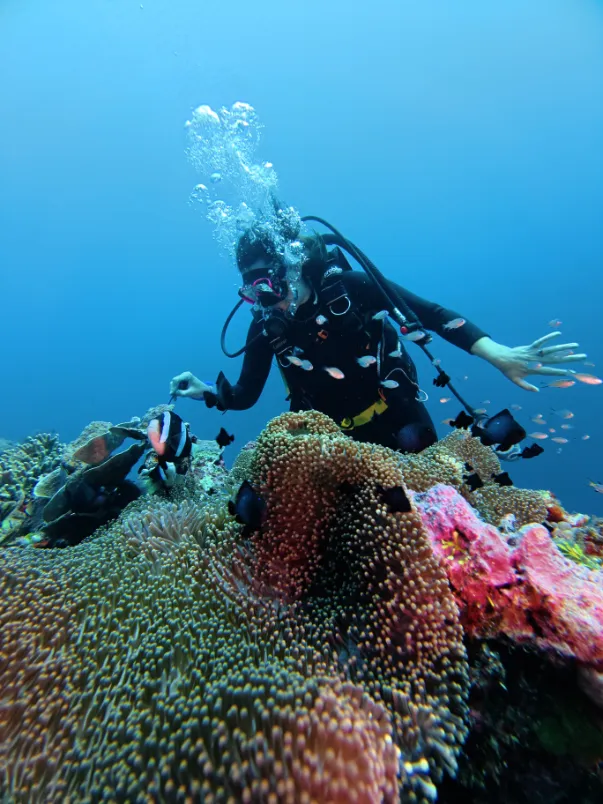
Wangi-Wangi is a useful starting point for travelers who need to organize the first land and sea connections of a Wakatobi route. The island can provide orientation, local services, and access planning before the group continues toward other islands or marine sites.
Confirm arrival transfer, boat schedules, accommodation, food, and equipment before assigning a fixed sequence. A starting island is valuable not only for sightseeing but also for making the rest of the journey workable.
Kaledupa: Island Landscape and Local Life
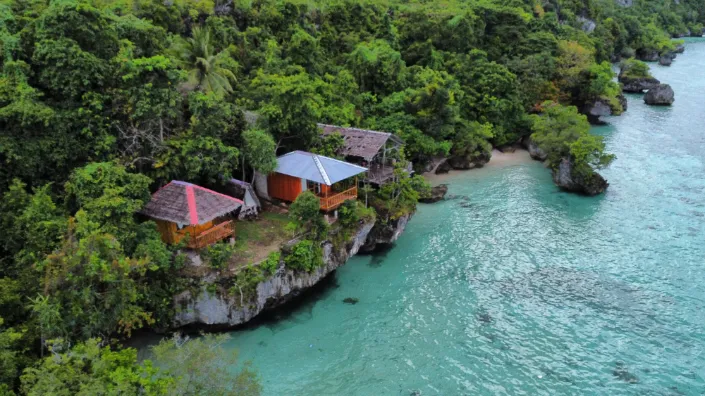
Kaledupa offers an island experience that can combine coastal scenery with local life and slower movement. Travelers should allow the island to be more than a transfer point. Ask which coastal areas, villages, or community-based activities are currently open and how local hosts coordinate visitors.
As with every Wakatobi island, the route depends on boat timing and sea conditions. Confirm whether the planned activity is land-based or marine, and leave enough time for the return connection.
Tomia: Beaches, Reefs, and Island Exploration
Tomia is a strong choice for travelers who want an island landscape alongside reef and water experiences. The project assets identify Tomia through multiple island and diving images, but a photograph does not establish current visibility, boat access, or equipment availability.
Ask the operator which reef or beach is included, how long the boat transfer takes, and whether the route is suitable for the group’s swimming or diving ability. Tomia can support different travel styles when the itinerary is planned around conditions rather than assumptions.
Hoga Island: A Marine-Focused Stop
Hoga Island belongs in a Wakatobi itinerary for travelers seeking a stronger marine focus. The experience may involve snorkeling, diving, beach observation, or a combination, but the exact activity must be confirmed with a local operator and conservation manager.
Marine travel requires attention to weather, current, visibility, equipment, guides, and rules about contact with coral or wildlife. Visitors should never stand on reef, collect marine life, or assume that clear water guarantees safe conditions.
Sombu: Close Attention to Reef Conditions
Sombu is identified in the project data as a Wakatobi marine destination. Travelers should ask whether the planned stop is for snorkeling, diving, boat observation, or another activity. Each has different equipment and safety needs.
A responsible Sombu visit keeps groups within guide direction, avoids coral contact, and respects limits on anchoring or access. Current visibility and sea state should decide the activity on the day.
Kontamale: A Different Water Landscape
Kontamale adds variety to the Wakatobi route because not every water experience needs to be an offshore reef. Ask the operator to explain the setting, access, permitted activity, and relationship to the surrounding island route before booking.
The location can be useful for travelers who want a change of pace between marine transfers, but facilities and safety arrangements must be confirmed. Do not transfer expectations from a reef site to Kontamale without local information.
Liya Togo: Cultural and Historical Context
Liya Togo provides a cultural and historical dimension within a Wakatobi itinerary. Travelers should ask which heritage elements are open, who provides interpretation, and whether any community rules govern photography or access.
A cultural site deserves slower attention than a quick stop between beaches. Listen to local explanations, remain within the permitted route, and avoid treating historic structures or community spaces as props.
Ali Reef: Marine Observation with Conservation Rules
Ali Reef is named in the project data as a marine experience. Reefs should be approached as living ecosystems rather than underwater scenery designed for contact. Snorkelers and divers should maintain buoyancy, avoid touching coral, and follow guide instructions about distance from wildlife.
Confirm visibility, currents, equipment, boat support, and conservation requirements before departure. The best reef experience leaves no physical trace.
Channel Dive: Plan for Skill and Conditions
Channel Dive should be treated as a site requiring operator assessment and appropriate diving ability. The name alone does not establish depth, current, visibility, or suitability for every diver. Ask for a briefing and disclose certification and experience honestly.
A responsible dive plan includes surface support, equipment checks, weather review, and a decision to cancel or substitute when conditions are unsuitable. Marine adventure is strongest when skill and environment are matched carefully.
Fan 38: A Specialized Marine Highlight
Fan 38 is another named Wakatobi marine site that should be confirmed with a local dive or boat operator. Ask what makes the site distinctive, what activity is permitted, and what conditions are normally required.
Do not publish a guaranteed wildlife or visibility claim without current evidence. Reef experiences change with season, weather, tide, water movement, and human pressure. Accurate descriptions protect both travelers and the marine environment.
Binongko: The Wider Island Story
Binongko helps readers remember that Wakatobi is an archipelago with cultural and island diversity beyond the most frequently photographed marine stops. The route may require more planning, so confirm boat schedules, accommodation, land transport, and available activities well in advance.
Travelers who want a slower island experience should ask how much time is needed and whether the route can combine local culture with coastal observation.
How to Combine Ten Places Responsibly
The ten destinations should be treated as a planning menu, not a one-day checklist. A short trip may choose Wangi-Wangi with one nearby marine focus. A longer journey can combine Tomia or Hoga with a cultural site such as Liya Togo, while keeping transfers and rest realistic.
Protect the most important experience first, then add optional stops when weather, boat schedules, group ability, and conservation rules allow. A smaller number of meaningful visits is better than forcing every name into an exhausting sequence.
What to Confirm Before Booking Wakatobi
Confirm island sequence, boat schedule, accommodation, meals, equipment, guide support, entrance or conservation fees, activity level, and weather alternatives. Ask which places are guaranteed and which depend on visibility or sea conditions.
Also ask how the operator responds to reef closures, unsafe currents, delayed boats, or changing weather. The booking should explain what happens when the marine route must change.
Responsible Marine Travel in Wakatobi
Do not touch coral, stand on reef, collect shells or marine life, feed wildlife, or leave waste at sea. Use reef-safe behavior, follow mooring and anchoring rules, and listen to local conservation guidance. On islands and in villages, ask before photographing people or private spaces.
Wakatobi’s value depends on living marine systems and communities. A responsible visit protects the reason people travel there in the first place.
Final Perspective on Wakatobi
Wakatobi becomes more understandable when islands, reefs, beaches, cultural places, and specialist dive sites are planned as different experiences within one archipelago. Wangi-Wangi can organize the route, Kaledupa and Binongko broaden island context, Tomia and Hoga support marine travel, and Ali Reef, Channel Dive, Fan 38, Sombu, and Kontamale require condition-aware planning.
The unforgettable journey is not the one with the most checkmarks. It is the one that matches the sea, the group, local guidance, and conservation responsibility.
Wakatobi for Non-Divers
A Wakatobi journey does not need to be built entirely around diving. Non-divers can enjoy island landscapes, beaches, boat observation, cultural places, village routes, and snorkeling when suitable equipment and guidance are available. Wangi-Wangi, Kaledupa, Tomia, Binongko, and Liya Togo can provide different land and cultural experiences around a marine itinerary.
Ask the operator which activities are genuinely available for non-divers and whether the group can share transport without forcing everyone into the same water program.
Choosing Between a Short and Long Archipelago Route
A short Wakatobi trip should select one starting island and a small number of nearby marine or cultural experiences. A longer route may connect Wangi-Wangi, Kaledupa, Tomia, Hoga, or Binongko, but every additional transfer adds schedule and weather dependence.
Do not count an island as a quick stop if the boat connection consumes much of the day. Ask for realistic transfer time and protect rest between marine activities.
Marine Photography and Wildlife Etiquette
Underwater photography should never take priority over buoyancy, coral protection, or wildlife distance. Do not chase animals, touch reef, stand on coral, feed fish, or use equipment in a way that damages the site. On land, ask permission before photographing residents, boats, and work areas.
Captions should name the exact island or marine site and avoid guaranteeing wildlife sightings or visibility. Conditions change, and honest wording protects both travelers and conservation work.
Food, Water, and Island Supplies
Island travel requires early confirmation of meals, drinking water, accommodation, fuel, equipment, and payment methods. Ask what is included and whether supplies are available between transfers. Bring personal medication and tell the operator about allergies or dietary restrictions.
Avoid assuming that a remote reef or island has the same services as a city. A practical supply plan improves comfort and reduces pressure on local facilities.
Weather Alternatives in Wakatobi
A marine itinerary needs alternatives for wind, waves, low visibility, or boat delays. A land-based island route, cultural site, beach observation, or local community activity may preserve the purpose of the journey while the sea is unsuitable.
Ask how the operator makes this decision and whether the alternative has been approved by local hosts. Flexibility should be planned, not improvised after the group is already waiting at a landing point.
Conservation Fees and Local Services
Ask whether conservation, entrance, guide, boat, and community fees are included in the price. Transparent payment supports trust and helps travelers understand where their money goes. Do not bargain in a way that removes fair compensation from local operators or guides.
The health of Wakatobi’s marine environment depends on management as well as visitor behavior. Using permitted routes and locally coordinated services is part of responsible travel.
How to Prepare for a First Marine Trip
First-time marine travelers should disclose swimming or diving experience honestly, ask for a safety briefing, and follow equipment instructions. Comfortable water travel also requires sun protection, hydration, spare clothing, and attention to boat movement.
Do not enter the water simply because other travelers do. A guide can explain whether a site suits the group’s ability, current conditions, and equipment.
A Better Way to Remember Wakatobi
The most valuable memory may be a reef seen without damage, a village visited with permission, an island route completed without rushing, or a cultural story understood through a local host. Wakatobi does not need to be reduced to a list of underwater images.
Plan the journey around the archipelago’s real diversity: islands, people, reefs, land routes, sea conditions, and conservation. That approach creates a richer experience and supports the destination beyond one visit.
Planning Island Hops Without Losing the Day
Island hopping requires more than listing islands in a desirable order. Confirm departure points, loading time, boat capacity, weather limits, and the final return connection. A short delay at the first landing can affect every later activity, so leave buffers between transfers and do not schedule the last boat too tightly.
Ask whether luggage stays on the same boat, where the group rests, and which meals are available during the route. Practical details determine whether an island-hopping day feels relaxed or rushed.
Choosing a Marine Focus
Wakatobi can be planned around snorkeling, diving, reef observation, beach time, island culture, or a combination. Choose one main marine focus before adding optional sites. Divers should disclose experience and certification, while snorkelers should ask about currents, flotation support, and guide supervision.
A marine focus helps the operator select suitable sites rather than sending every traveler to the same reef. It also makes it easier to protect rest time and avoid repeating similar activities when the group needs a change of pace.
Respecting Reef and Island Communities
Reef conservation and community respect are connected. Boat operators need appropriate anchoring and mooring practices, while visitors need to avoid coral contact and wildlife disturbance. On land, travelers should ask before photography and follow local rules around homes, boats, cultural spaces, and work.
A destination can be visually beautiful while still having limits. The best Wakatobi operator explains those limits before the group enters the water or arrives in a village.
Wakatobi for Mixed-Interest Groups
A mixed group may include divers, non-divers, photographers, families, and travelers interested in culture. Plan shared land or island time and make optional marine activities clear. Non-divers should have a meaningful alternative rather than simply waiting on a boat.
Discuss meeting points, supervision, equipment, and return times before departure. This prevents one activity from controlling the entire group’s day and lets each traveler experience Wakatobi in a suitable way.
Final Booking Questions for Wakatobi
Before booking, confirm the exact islands and marine sites, boat schedule, accommodation, meals, guide, equipment, conservation fees, weather policy, and cancellation or substitution arrangements. Ask which sites are confirmed and which depend on visibility, currents, or local permission.
These questions help turn a destination list into a realistic journey. Wakatobi’s variety is its strength, but the route must respect distance, sea conditions, local capacity, and the time needed for each experience.
Frequently Asked Questions
Which places are included in this Wakatobi list?
The list covers Wangi-Wangi, Kaledupa, Tomia, Binongko, Hoga Island, Sombu, Kontamale, Liya Togo, Ali Reef, Channel Dive, and Fan 38 as distinct island, cultural, or marine references in the project data.
Can all ten places be visited in one trip?
They should not be forced into a short trip. Boat schedules, sea conditions, distance, activity duration, and rest determine the realistic combination.
What should divers confirm?
Confirm certification requirements, depth, current, visibility, equipment, boat support, guide arrangements, and conservation rules.
Is Wakatobi suitable for non-divers?
Yes. Island landscapes, beaches, cultural places, boat observation, and snorkeling alternatives may suit non-divers, subject to current access and conditions.
Plan your journey with Laode Traphel.
You May Also Like
Kaledupa Island Travel Guide for Exploring Nature and Local Island Life
Kaledupa, Wakatobi
.webp)
The Best Snorkeling Destinations to Explore in Wakatobi
Wakatobi
The Best Time to Visit Wakatobi for Diving Snorkeling and Island Travel
Wakatobi
The Best Time to Visit Muna Island for Nature Culture and Adventure
Muna
.webp)
How to Plan the Perfect Muna Island Trip for Nature and Culture
Muna
.webp)
The Best Natural Attractions to Explore Across Muna Island
Muna