
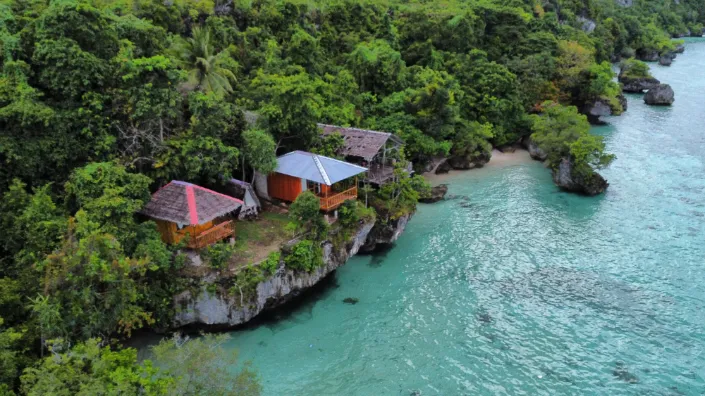
Kaledupa Island Travel Guide for Exploring Nature and Local Island Life
A slower Kaledupa route for travelers interested in island nature, coastal communities, and local rhythm.
Discover how to plan Kaledupa around nature, island movement, community context, and a less hurried Wakatobi experience.
Kaledupa can suit travelers who want Wakatobi to feel spacious and locally connected. The island experience may include coast, nature, villages, marine activities, and quiet time, but the quality of the route depends on allowing island life to set some of the pace.
This guide avoids presenting Kaledupa as a fixed attraction list. Local hosting, boat timing, weather, accommodation, and activity access need current confirmation.
Why Choose Kaledupa?
Kaledupa may appeal to visitors who want coastal scenery with more time for observation and local-life context. It can be a good fit for travelers who value a measured route over constant movement.
The island is not automatically the best choice for every marine activity. Choose it according to the balance of nature, community, rest, and water experiences the group wants.
The slower character is useful only when the itinerary allows it. Confirm where the group stays, how it reaches the coast, and whether a proposed village or nature stop requires a separate boat or land transfer.
Kaledupa should be described as a living island rather than as an empty setting. Boats, homes, work areas, and shared shorelines all have their own rhythms, so visitors should follow local direction and avoid blocking daily activity.
That combination of pace and responsibility is the central reason to choose Kaledupa, subject to current local confirmation.
Nature on an Island Schedule
Nature travel on Kaledupa can include shorelines, island landscapes, boat observation, and marine activities when current conditions allow. Plan one primary outdoor experience per period and leave room for weather or local access changes.
Do not treat a quiet route as empty time. Light, tide, village movement, and coastal details often become visible only when the group is not rushing.
Ask the guide how the landscape changes through the day. Morning light, wind, tide, and boat traffic can affect whether a shoreline is comfortable for observation or suitable for water entry. These conditions are local and should not be promised from a static photograph.
A slower nature route can also reduce pressure on the reef and coast. Fewer rushed landings mean more time to use agreed paths, carry waste back, and listen to conservation instructions before the group moves on.
Community Visits Require Consent
A village visit should be coordinated with a local host. Ask which spaces are open, who leads the visit, whether contributions are expected, and what photography rules apply. Homes, boats, work areas, and daily routines are not automatically public attractions.
A respectful visit gives residents control over the encounter and allows travelers to listen rather than collect photographs.
The host should be able to explain whether the visit is a guided interpretation, a local service, or an informal welcome. These are different experiences and should not be presented as a fixed cultural performance. Ask before recording voices, faces, food preparation, or private spaces.
Keep the group small where possible and accept a request to stop, move, or avoid a subject. Consent continues throughout the visit; it is not a single permission that covers every photograph or question.
Marine Activities and Alternatives
If snorkeling or diving is included, confirm the site, currents, visibility, equipment, guide, and conservation rules. Non-divers should have a meaningful alternative such as island observation, beach time, cultural interpretation, or photography.
Never stand on coral, feed wildlife, collect marine life, or enter the water without a briefing.
A suitable marine plan includes a clear entry and exit, a guide who can see the group, and an agreement about when to return to the boat. Travelers should disclose fear, fatigue, or limited swimming ability without embarrassment.
Conservation guidance is part of the activity, not a separate lecture. Secure loose equipment, maintain buoyancy, use permitted mooring or anchoring arrangements, and allow wildlife to move without pursuit. If the conditions are wrong, a land-based alternative protects both people and reef.
Ask how the operator separates divers, snorkelers, and non-swimmers safely. A clear plan can let each traveler enjoy the day without forcing everyone into the same water activity or leaving anyone unsupervised.
A marine alternative should be agreed before departure so that a weather change does not become a stressful negotiation on the shore.
This flexibility lets the group protect the reef while still preserving the purpose of the island visit.
Transport, Lodging, and Food
Confirm boat schedules, departure points, luggage, room type, meals, water, electricity, connectivity, and payment methods. Island routes can be affected by weather and delays, so protect the return connection with a buffer.
Tell the operator about allergies, medication, children, older travelers, and mobility needs before the route is finalized.
Ask how food and drinking water are handled between activities. Do not assume a remote beach or village has the same supplies as the arrival base, and do not publish a facility as available unless the current operator confirms it.
A buffer also protects the quality of the visit. Delays can affect sleep, meals, and the group’s ability to listen during a community explanation. A realistic sequence is part of respectful travel because it reduces pressure on hosts and guides.
Confirm whether the room and meal arrangements match the group’s actual needs, including early departures and dietary restrictions. These details can determine whether travelers arrive rested enough to participate respectfully in a village or marine activity.
Ask how the operator communicates a delay and who carries responsibility for luggage during a change. Clear arrangements prevent a small weather problem from becoming a larger disruption across the island route.
The public guide should keep these details conditional because facilities and services may change. Local confirmation is the reliable source for the selected date.
For a slower Kaledupa itinerary, transport and lodging should be evaluated together. A room near a departure point may reduce an early-morning transfer, while a quieter stay farther from the landing area may be better for travelers who want observation and rest. The right choice depends on the group’s priorities, the confirmed route, and the services available on the selected date.
A Respectful Kaledupa Itinerary
A balanced day might combine a coastal or nature stop with a coordinated community experience and enough time to rest. A longer stay can add a marine activity without making every day transfer-heavy.
The itinerary should explain what is confirmed and what depends on weather, tide, local permission, or host availability.
One day might be organized around a nature observation period, a host-led conversation, and recovery rather than several separate attractions. This structure gives the group time to understand how the island is used and leaves room for a safe change if the sea becomes unsuitable.
When writing the public guide, keep the route open-ended where the evidence is open-ended. Name the planning questions clearly, but let the local operator confirm the exact shore, village, boat, and timing.
A respectful route protects both the visitor’s energy and the host’s time. It should include a clear meeting point, a realistic meal plan, and enough buffer for a delayed boat or changing weather.
The group can still enjoy a full day without filling every hour. Observation, conversation, and recovery are legitimate parts of island travel and often reveal more than another rushed stop.
This balance also gives local hosts room to adjust the encounter without disappointing a schedule that was never locally confirmed.
Final Perspective on Kaledupa
Kaledupa rewards travelers who allow nature and local life to remain connected. Its strength is not only a viewpoint or a beach, but the rhythm created by moving carefully through an island environment.
Travel slowly enough to notice the place, use local guidance, and confirm the route before booking.
The island is a good fit for travelers who value context as much as scenery. A shoreline, a boat route, or a village conversation becomes more meaningful when the group understands the conditions and boundaries that shape it.
A responsible Kaledupa recommendation therefore includes both invitation and restraint: spend time with the place, but do not ask it to perform beyond what local hosts, the weather, and the environment can support.
Before departure, separate what the article can explain from what must be checked locally. Kaledupa’s island character and role in Wakatobi can be described editorially, while boat timing, accommodation, facilities, fees, and current activity access require a local update.
The protected marine setting also changes how a visitor should measure a successful day. A reef visit is successful when the group follows the guide, avoids contact, and returns without disturbing wildlife, even if the planned site changes because of current or visibility.
On land, small acts matter in the same way. Keep paths and boat landings clear, carry waste to an agreed disposal point, ask before photographing, and do not mistake quiet surroundings for permission to enter private space.
Kaledupa can suit a traveler who wants to notice relationships: between coast and village, boat and reef, host and visitor, or weather and daily timing. Those relationships are the content of the journey, not obstacles between attractions.
The most honest article leaves room for local hosts to define the day. Readers should arrive prepared with questions and a flexible plan, then allow current conditions and community consent to shape the final experience.
A visitor can prepare by asking what the island route requires physically and socially. Confirm walking surfaces, boat transfers, meal arrangements, shade, water, and the appropriate way to approach community spaces. These questions prevent a slower itinerary from becoming an uncomfortable one.
Kaledupa also demonstrates why conservation and hospitality belong in the same plan. A traveler who respects a reef, a beach, or a village reduces pressure on the people responsible for caring for that place and receives a more attentive experience in return.
Do not judge the island by how many activities fit into one day. Judge it by whether the group has time to observe, whether local hosts are comfortable, and whether the route leaves natural and cultural spaces undisturbed.
The destination can be recommended with confidence when the recommendation is precise about its limits. That means inviting travelers to explore Kaledupa while marking every current service, site, and schedule for local confirmation.
A slower route also creates room for practical learning. Travelers can notice how a boat landing works, how a shoreline is shared, and how weather affects an ordinary day. Those observations make the island more specific than a general promise of tropical scenery.
When a plan changes, explain the reason to the group and treat local guidance as information rather than inconvenience. That habit protects trust and makes it easier to choose an alternative without blaming the host or environment.
Kaledupa is best presented as a place where nature, community, and travel pace meet. The article should invite that encounter while remaining careful about every detail that needs current confirmation.
A final practical check should ask whether the group has enough time to rest after transfer, whether the accommodation can meet basic needs, and whether a non-marine alternative is available. These details let a slower island experience remain comfortable and respectful.
The destination is most persuasive when it is described with care rather than exaggeration: a place to observe, listen, and move responsibly, with current arrangements confirmed by local hosts.
Frequently Asked Questions
Who will enjoy Kaledupa Island?
Kaledupa may suit travelers who want island nature, local-life context, coastal observation, and a slower travel pace.
Can I visit a Kaledupa village?
Community visits may be possible when coordinated with local hosts. Confirm access, timing, photography rules, and contributions first.
Does Kaledupa offer marine activities?
Marine activities may be available, but the exact site, equipment, visibility, current, guide, and weather must be confirmed.
Plan your journey with Laode Traphel.
You May Also Like
10 Amazing Places to Explore in Wakatobi for an Unforgettable Journey
Wakatobi
.webp)
The Best Snorkeling Destinations to Explore in Wakatobi
Wakatobi
The Best Time to Visit Wakatobi for Diving Snorkeling and Island Travel
Wakatobi
The Best Time to Visit Muna Island for Nature Culture and Adventure
Muna
.webp)
How to Plan the Perfect Muna Island Trip for Nature and Culture
Muna
.webp)
The Best Natural Attractions to Explore Across Muna Island
Muna