
.webp)
The Best Snorkeling Destinations to Explore in Wakatobi
A condition-aware snorkeling guide for choosing reefs, islands, skills, equipment, and responsible marine behavior.
Plan Wakatobi snorkeling around site conditions, swimming ability, visibility, guides, reef protection, and alternatives for mixed groups.
Wakatobi snorkeling is not one fixed activity at one guaranteed site. The best location depends on visibility, current, wind, tide, boat access, guide support, swimming ability, and conservation rules. Tomia, Hoga, Sombu, Ali Reef, and other marine references may fit different groups when conditions are suitable.
This guide helps travelers choose a snorkeling experience without turning a site name into a permanent promise. The operator should make the final site decision close to departure.
How to Choose a Snorkeling Site
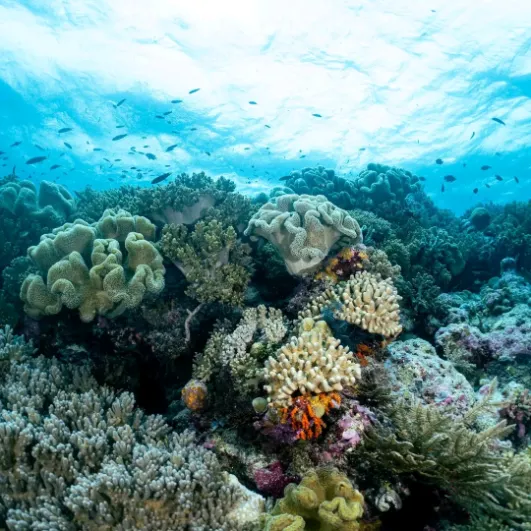
Start with the group’s swimming confidence, comfort in open water, preferred marine life, and tolerance for boat movement. A calm shallow site may suit beginners, while a current-exposed reef requires stronger ability and a detailed briefing.
Ask which sites are confirmed and which are alternatives. A responsible guide will choose conditions over the name that appeared in a brochure.
The guide should explain how the group enters the water, where it stays, how it signals for help, and how it returns to the boat. A traveler who is comfortable in a pool may still need support in open water, particularly when wind or current changes the distance from the vessel.
Compare sites by reef protection as well as by scenery. A place where visitors can maintain distance and avoid standing on coral is a better choice than a more famous site that does not match the group’s skills or the day’s conditions.
Tomia and Focused Reef Exploration
Tomia may suit travelers who want an island-and-reef route, subject to visibility, currents, equipment, and guide support. It can work for mixed groups when non-snorkelers have a land-based alternative.
Do not promise a particular marine sighting. Reefs change with season, weather, tide, and human pressure.
A focused route gives the guide time to choose a suitable entry point and brief the group properly. Ask whether the session is close to shore or boat-based, how long the group remains in the water, and whether flotation is available for less confident swimmers.
Snorkelers should look without touching. Secure straps and fins, keep a comfortable distance from coral, and do not follow animals for a closer image. The reef is the subject of observation, not an object for visitors to handle.
Hoga and Marine-Centered Days
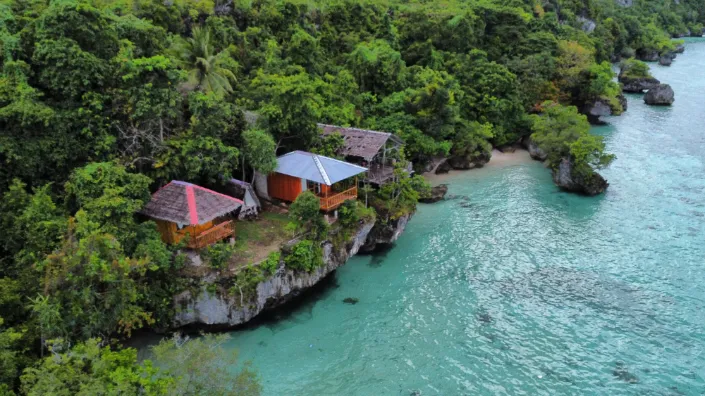
Hoga can be considered by travelers who want marine activities to form the center of the trip. Confirm lodging, equipment, guide supervision, currents, visibility, conservation rules, and alternatives for non-snorkelers.
A marine-centered day still needs hydration, sun protection, rest, and a clear decision to postpone when the sea is unsafe.
Ask how the operator organizes repeated water sessions and where the group rests between them. A long marine day may involve more sun and boat movement than a traveler expects, so schedule quality matters as much as the number of reef entries.
The protected-area setting makes discipline important. Follow permitted routes and guide direction, use agreed mooring arrangements, and do not assume a calm-looking surface means the reef is safe for every swimmer.
Sombu, Ali Reef, and Other Named Sites
Sombu and Ali Reef are named in the project data as marine destinations. Their suitability for snorkeling must be assessed on the day rather than inferred from a name. Ask about depth, current, entry, boat support, and the distance the group must swim.
Keep the group within guide direction and avoid coral contact, wildlife chasing, feeding, and collecting.
The names are useful for planning a conversation, but they do not establish a permanent depth, visibility, or wildlife guarantee. Ask the operator what was observed recently and what site would replace it if the current, wind, or visibility is unsuitable.
A site briefing should include the direction of drift and the location of the boat. Snorkelers should never separate from the guide to pursue a fish, coral feature, or photograph.
The group should also ask how a site is approached without damaging shallow coral. Follow the crew’s instructions around ladders, fins, and waiting areas, and keep bags and loose equipment from entering the water.
A named destination can remain valuable even when it becomes an alternative rather than the final site. The responsible choice is the site that matches the group’s ability and the reef’s condition on that day.
When the operator compares Sombu, Ali Reef, or another site, ask how the decision was made and what recent observations support it. This keeps the recommendation grounded in the actual water conditions rather than in a fixed ranking from an old article or photograph.
Equipment, Safety, and Reef Etiquette
Confirm mask fit, flotation, fins, boat ladder, life jackets, guide supervision, and communication before entering the water. Never snorkel alone or drift away from the agreed area.
Maintain buoyancy, do not stand on coral, keep fins away from reef, and use only permitted sunscreen and equipment practices. The best snorkeling visit leaves the reef unchanged.
Test the mask and flotation before leaving the boat, and tell the guide immediately if equipment does not fit. Do not wait until the group is over deep water to mention a leak, panic, or difficulty keeping position.
Responsible behavior also includes the boat approach. Follow crew instructions around ladders, keep fins and bags organized, and avoid dropping equipment onto coral or shallow substrate.
Ask how the operator handles a traveler who becomes tired or cannot keep position. The correct response may be returning to the boat, moving to a calmer area, or ending the session; it should never be pressure to continue.
Sun protection and hydration matter even during a short trip. Bring only the personal items confirmed by the operator and secure them so they cannot fall into the sea.
A clear briefing should also explain where the guide will be and how the group signals. These simple agreements make the water experience safer for beginners and reduce the chance of separation.
Tell the guide immediately about a leaking mask, poor flotation, panic, or fatigue. Early communication allows a calm adjustment and helps protect the group from drifting into unsafe or sensitive reef areas.
Equipment should be handled carefully on the boat as well as underwater. Follow crew instructions around ladders and never drop fins, bags, or cameras onto shallow coral.
The aim is simple: observe the reef without adding contact, waste, or pressure to the marine environment.
A useful operator should also explain how equipment is cleaned, stored, and returned between groups. This protects hygiene, prevents lost items from entering the sea, and gives beginners time to become comfortable before the boat reaches the selected site.
Snorkeling for Families and Non-Swimmers
Families should ask about flotation, supervision, shaded boat space, water entry, and a safe alternative for anyone who does not want to enter the sea. Children need direct adult attention even when the water looks calm.
A non-snorkeling traveler can still enjoy island scenery, beaches, boat observation, or cultural routes. Confirm the meeting and return plan so the group is not separated without supervision.
Children should not be treated as independent swimmers because they can use a mask and fins. An adult should remain responsible for attention, distance, and the decision to leave the water. Ask whether the site has a sheltered entry or whether a shore-based activity is more appropriate.
Mixed groups should agree where everyone meets and how long the water session lasts. This prevents a confident swimmer from extending the activity while another traveler is waiting without shade, information, or supervision.
Ask who supervises a child when an adult enters the water and whether flotation is available in the correct size. These details should be confirmed locally rather than inferred from a general family-travel description.
A good alternative lets non-swimmers remain part of the day. Shore observation, a beach stop, or a cultural route can be meaningful when the meeting and return arrangements are clear.
Final Advice for Wakatobi Snorkeling
The best snorkeling destination is the one that matches the group and the sea on that day. Choose with current information, follow the guide, protect coral and wildlife, and accept substitution when conditions change.
Wakatobi’s marine value is larger than one photograph. Responsible behavior keeps reefs available for communities, researchers, and future travelers.
A careful snorkeling article should therefore make uncertainty useful. It tells readers what to ask, what skills to disclose, and what behavior protects the reef, while leaving the final site decision to current local assessment.
The reward is not measured by reaching the most famous name. It is measured by a safe, attentive encounter in which travelers leave the water with the reef, wildlife, and community setting respected.
Before booking, ask whether the proposed site is selected for the group’s ability or simply because it is commonly advertised. A guide should be able to explain the depth, entry, current, boat position, and alternative in plain language.
A good operator also treats equipment as part of safety. Mask fit, flotation, fins, life jackets, ladder access, shade, drinking water, and communication should be checked before the boat leaves, not after a problem appears in the water.
Snorkelers should practice restraint around marine life. Do not chase turtles, fish, or other animals, do not feed them to improve a photograph, and do not touch coral or hold onto rock for balance. If the group cannot maintain position without contact, the site is not suitable for that swimmer at that moment.
The group’s energy matters too. Heat, glare, boat motion, and repeated entries can reduce concentration. Schedule rest and hydration, and accept a shorter session when a guide sees fatigue or changing conditions.
For mixed groups, make the non-water plan meaningful and supervised. A traveler who stays ashore should know where to wait, when the group returns, and who is responsible for communication.
This condition-aware approach respects both the Wakatobi National Park context and the people whose work supports marine travel. A reef is not improved by a promise that cannot be delivered; it is protected by honest planning and careful behavior.
The same care should guide the way a snorkeling destination is described online. Avoid permanent rankings, guaranteed visibility, or claims about marine life that the available research and local confirmation do not support.
A traveler can prepare for uncertainty without losing excitement. Bring the equipment and personal items confirmed for the route, listen to the briefing, and treat a substitute site as a responsible decision when it protects the group and reef.
After the activity, rinse and store equipment as directed, keep waste out of the water, and avoid leaving food or plastic on the boat or shore. The trip continues to affect the destination after the final swim.
The most useful recommendation is therefore conditional but positive: Wakatobi offers varied marine possibilities, and the right one is found by matching people, site, guide, equipment, weather, and conservation responsibility on the day.
Frequently Asked Questions
Where is the best place to snorkel in Wakatobi?
Tomia, Hoga, Sombu, Ali Reef, and other marine sites may suit snorkelers, but the best choice depends on current visibility, currents, skill, equipment, guide support, and weather.
Is Wakatobi snorkeling suitable for beginners?
Some sheltered sites may suit beginners, but confirm water entry, flotation, supervision, depth, and current before booking.
What is the most important reef rule?
Maintain buoyancy, never stand on or touch coral, do not chase or feed wildlife, and follow local conservation guidance.
Plan your journey with Laode Traphel.
You May Also Like
10 Amazing Places to Explore in Wakatobi for an Unforgettable Journey
Wakatobi
Kaledupa Island Travel Guide for Exploring Nature and Local Island Life
Kaledupa, Wakatobi
The Best Time to Visit Wakatobi for Diving Snorkeling and Island Travel
Wakatobi
The Best Time to Visit Muna Island for Nature Culture and Adventure
Muna
.webp)
How to Plan the Perfect Muna Island Trip for Nature and Culture
Muna
.webp)
The Best Natural Attractions to Explore Across Muna Island
Muna