
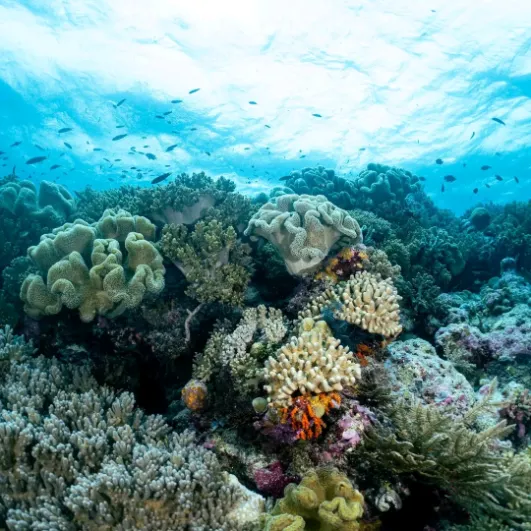
The Best Time to Visit Wakatobi for Diving Snorkeling and Island Travel
How to choose Wakatobi travel dates by matching sea conditions, marine goals, island movement, local life, and flexibility.
Find the best time to visit Wakatobi by planning around diving, snorkeling, island travel, weather uncertainty, conservation, and group comfort.
There is no single date that is automatically the best time for every Wakatobi traveler. A diver, snorkeler, island-hopping group, photographer, family, and culture-focused visitor may value different conditions. The project data connects Wangi-Wangi, Kaledupa, Tomia, Binongko, Hoga, Sombu, Ali Reef, Channel Dive, Fan 38, beaches, and local island life, but it does not establish a guaranteed calendar for visibility, access, wildlife, boats, or facilities.
Choose dates by matching the journey’s main purpose with current local evidence. Ask an operator about wind, waves, rain, current, visibility, tide, route availability, accommodation, and conservation limits for the selected period. Keep the itinerary flexible enough to respect a changed marine decision rather than treating a travel month as a promise.
Treat Seasonality as Uncertainty
A season is a planning signal, not a guarantee. Wind, rain, waves, current, visibility, tide, boat readiness, and local access can vary within the same broad period. Ask an operator what has recently been observed on the intended island and route, then ask how the group will adapt if the actual day differs from the expectation.
Use a date window when possible and keep the itinerary flexible. A period that sounds ideal for diving may still be difficult for a family, while a quieter shoulder period may suit a group that accepts substitutions and slower movement. The useful decision is the one that matches conditions, priorities, and alternatives rather than a universal calendar label.
Prepare Divers for the Actual Water
Divers should share certification, recent dive history, depth comfort, health considerations, equipment needs, and preferred profile before selecting dates. Ask how the operator checks current, visibility, wind, waves, and site access during the period. Tomia, Hoga, Sombu, Ali Reef, Channel Dive, and Fan 38 are project references, not promises that a named site or profile will be available.
A professional may choose a different site, delay entry, shorten the dive, or cancel. Plan time for briefing, equipment, surface intervals, recovery, and the return connection. A date is suitable only when the diver can follow the professional assessment, not when a fixed itinerary pressures the guide to deliver a particular descent.
Check Snorkeling Readiness
Snorkeling depends on surface comfort as well as visibility. Ask about entry, flotation, current, boat movement, waves, a place to rest, guide support, and how beginners remain with the group. Children, nervous swimmers, and mixed groups may need a calmer alternative or a shorter session even when the water looks attractive.
Do not use a good forecast as permission to swim farther, touch coral, or approach wildlife. Secure equipment, keep distance from the reef, follow signals, and leave when the guide instructs. A coastal observation stop or island activity can preserve the day when snorkeling conditions are not suitable.
Plan Island Travel Around Weather
Island travel adds boats, luggage, accommodation, local pickups, and exposed shore movement to the seasonal question. Ask whether intended connections operate in the selected period and what happens when wind or rain changes a departure. Leave buffers before important activities and after marine sessions, and do not depend on a final boat movement for a critical onward connection.
Wangi-Wangi, Kaledupa, Tomia, Binongko, and Hoga may have different roles in a route. Fewer islands can be the better choice when the group needs rest, more time with hosts, or protection against delay. A replaced island or coastal day can still fulfill the trip purpose if the route was designed with alternatives.
Read Rain, Wind, and Tide Together
Rain affects more than photographs. It can change roads, shore footing, cave or coastal approaches, equipment protection, and the order of activities. Wind and waves can affect boat comfort, entry, visibility, and return movement. Tide and water movement can affect loading, shallow entry, shoreline access, and snorkeling comfort. Ask the operator how these factors are checked close to departure.
Pack sun and rain protection, dry storage, medication, and clothing for a changing route. Do not treat a beach image or old report as evidence that a transfer will operate on the chosen date. Accept a delayed or substituted activity when local conditions show that it is the responsible choice.
Keep Wildlife and Conservation Expectations Realistic
No season guarantees a wildlife sighting, a particular visibility level, or a perfect encounter. Observe without feeding, touching, chasing, or crowding animals, and accept when a guide moves away or ends an encounter. A responsible marine experience allows wildlife and reef systems to remain undisturbed rather than turning a seasonal hope into pressure.
Date selection also affects conservation responsibility. Follow protected-area rules, use appropriate guides, keep equipment away from coral, contain waste, and accept access limits. Ask how the operator handles mooring, group size, site rotation, wildlife distance, and changes caused by the condition of the site.
Consider Shoulder Periods Carefully
A shoulder period may appeal to travelers who want a less compressed route, but it should not be described as automatically quiet, cheap, calm, or fully operational. Confirm boats, accommodation, guides, facilities, and local hosting for the selected dates. Ask which parts of the itinerary are dependable and which may need substitution.
Shoulder planning works best for groups with flexible priorities. If diving is the main purpose, require a clear professional assessment and a realistic alternative. If island life, beaches, or cultural observation matter equally, the group may have more ways to preserve the journey when marine conditions change.
Turn Date Research into a Booking Decision
Give the operator the travel window, islands, activity priorities, group ability, health or mobility needs, accommodation expectations, and onward connections. Ask for exact sites, current route logic, equipment, guide support, access rules, weather alternatives, and what remains conditional. Separate confirmed inclusions from possibilities and do not rely on an exact schedule or facility that has not been checked.
Review the plan again close to departure using current weather and marine information plus local confirmation. Keep the last day flexible where possible and avoid making a critical connection depend on a final dive or boat. The best time to visit is the period when the chosen experience can be pursued responsibly with enough room for reality to change the order.
A useful date decision also asks what happens after a cancellation. Can the group spend the period on a confirmed coastal observation, cultural visit, rest day, or different marine site? Which booking terms apply when a boat or activity changes? Who communicates the decision? Clear answers protect the group from rushing, help the operator work honestly, and keep conservation ahead of a promise made months earlier. Add a final check for rain protection, dry storage, medication, food, rest, and the group's ability to change pace. A good date is one that leaves room for the guide to respond to the real sea and shore rather than defend an old prediction.
Seasonal preparation should also match the traveler's tolerance for uncertainty. A diver who has one narrow goal needs stronger confirmation and more time for a substitute than a traveler who can enjoy beaches, island observation, local hosting, and rest. Families may need a date with a simpler sequence and fewer exposed transfers. A shoulder period can be worthwhile when the group accepts that boats, visibility, tide, rain, or community availability may alter the order, but it should never be sold as a guaranteed quiet or perfect period. Recheck conditions, keep an alternative, and protect the final connection from the last marine activity.
Define What “Best Time†Means for You
Start with the experience that matters most. A diver may prioritize suitable sea and a professional site assessment. A snorkeler may need comfortable surface conditions and calm entry. An island traveler may care more about reliable connections and time for beaches, villages, and local hosting. A photographer may accept a slower plan if it provides changing light and enough time at each shore.
Do not select dates from a generic label such as dry season or peak season alone. Ask what those terms mean for the exact island, activity, and departure. Conditions can differ across days and routes, and a suitable period for one group may be inconvenient for another. The useful question is not “Which month guarantees the best Wakatobi?†but “Which conditions and alternatives does this group need?â€Â
Diving: Plan Around Professional Assessment
Diving quality and safety depend on certification, recent experience, depth, current, visibility, weather, equipment, boat support, and guide judgment. Contact the operator with accurate information about certification, last dive, health, comfort, and preferred profile. Then ask how conditions are checked during the travel period and how the plan changes when a named site is unsuitable.
Tomia, Hoga, Sombu, Ali Reef, Channel Dive, and Fan 38 are project references for marine planning, not calendar guarantees. A responsible operator may choose a different site, shorten a dive, delay entry, or cancel when conditions do not match the group. Build enough time around the activity for briefing, rest, surface intervals, equipment, and the return connection.
Snorkeling: Look for Comfort and Control
Snorkelers should ask about surface conditions, entry, current, visibility, flotation, boat movement, guide support, and a place to rest. Beginners and mixed groups need a clear plan for staying together and exiting the water. A period that photographs beautifully may still be unsuitable for a nervous swimmer or a child. The guide’s current assessment should control the activity.
Do not treat a high-visibility hope as permission to swim farther, touch coral, or approach wildlife. Keep equipment secure, maintain distance from reef, and return when the guide signals. A suitable alternative can be a sheltered observation stop, coastal walk, or island activity. A flexible snorkel plan is more useful than a promise that every day will provide identical water.
Island Travel Needs a Different Calendar Question
Multi island travel depends on boats, accommodation, weather exposure, luggage, local coordination, and time buffers as well as marine conditions. Ask whether the intended connections operate for the selected dates and what happens when wind or rain changes a departure. Do not publish or rely on exact schedules without current confirmation. Leave a buffer before flights, major transfers, diving, and important community arrangements.
Wangi-Wangi, Kaledupa, Tomia, Binongko, and Hoga each contribute a different route role. Choose fewer islands when the group needs rest, more time with local hosts, or better protection against delay. A journey can still be rich when a planned island is replaced by a coastal or cultural alternative. The best calendar is one that gives the route room to remain safe and humane.
Weather, Wind, Rain, and Sea State
Weather affects more than whether a photograph has blue sky. Wind and waves can change boat comfort, entry, visibility, shore access, and the time needed to return. Rain can affect roads, cave or coastal footing, equipment protection, and the order of island activities. Ask the operator how recent conditions are checked and which decisions are made locally rather than trusting an old description.
Pack for change: sun protection, rain protection, dry storage, medication, and clothing appropriate to the confirmed route. Keep cameras, documents, and electronics protected from spray. A weather alternative should be discussed before departure, and travelers should accept that a delayed or substituted activity can be the correct outcome.
Tide, Visibility, and Wildlife Expectations
Tide and water movement can affect coastal access, boat loading, shallow-water entry, and snorkeling comfort. Visibility can change with weather, current, rainfall, and local conditions. Ask the operator what is known close to the activity and how the group responds when the observation quality is lower than hoped. Do not turn a research or marketing description into a guarantee for a specific day.
Wildlife should be treated with the same humility. The repository supports marine ecosystem and conservation context, but it does not justify guaranteed sightings. Do not feed, chase, touch, or crowd animals for photographs. A responsible guide may move away, choose another site, or end an encounter. The value of the journey is not reduced by allowing wildlife to remain undisturbed.
Crowds, Community Timing, and Travel Pace
A date can influence how a traveler experiences a shore, boat, village, or marine site, but current visitor levels and local schedules must be checked rather than assumed. Ask whether community visits require advance coordination, which areas are open, and whether hosts have limits on photography or group size. Respect religious, work, family, and conservation schedules without treating local time as a service that must bend around a tourist itinerary.
Traveling more slowly can improve the seasonal decision. It provides room for a weather change, a conversation with a host, a rest day, or a different coastal stop. Avoid compressing several islands because a calendar looks favorable on paper. The route should serve the group and the destination rather than trying to prove that every possible experience fits into one departure.
Conservation Is a Date-Selection Responsibility
Choosing when to visit also means considering the pressure a marine activity places on reefs, shores, boats, and communities. Follow local protected-area rules, use appropriate guides, keep equipment away from coral, carry waste responsibly, and accept access limits. Do not choose a date only because it appears to offer a more dramatic photograph if the conditions or management guidance say the site should not be visited.
Ask how the operator handles mooring, group size, site rotation, wildlife distance, and changed conditions. Conservation information should be specific to the activity and location. A traveler who accepts a substitute or a quiet land-based day helps protect the destination and makes the trip more honest than one that pressures a guide to deliver a fixed promise.
Plan your journey with Laode Traphel.
You May Also Like
10 Amazing Places to Explore in Wakatobi for an Unforgettable Journey
Wakatobi
Kaledupa Island Travel Guide for Exploring Nature and Local Island Life
Kaledupa, Wakatobi
.webp)
The Best Snorkeling Destinations to Explore in Wakatobi
Wakatobi
The Best Time to Visit Muna Island for Nature Culture and Adventure
Muna
.webp)
How to Plan the Perfect Muna Island Trip for Nature and Culture
Muna
.webp)
The Best Natural Attractions to Explore Across Muna Island
Muna