
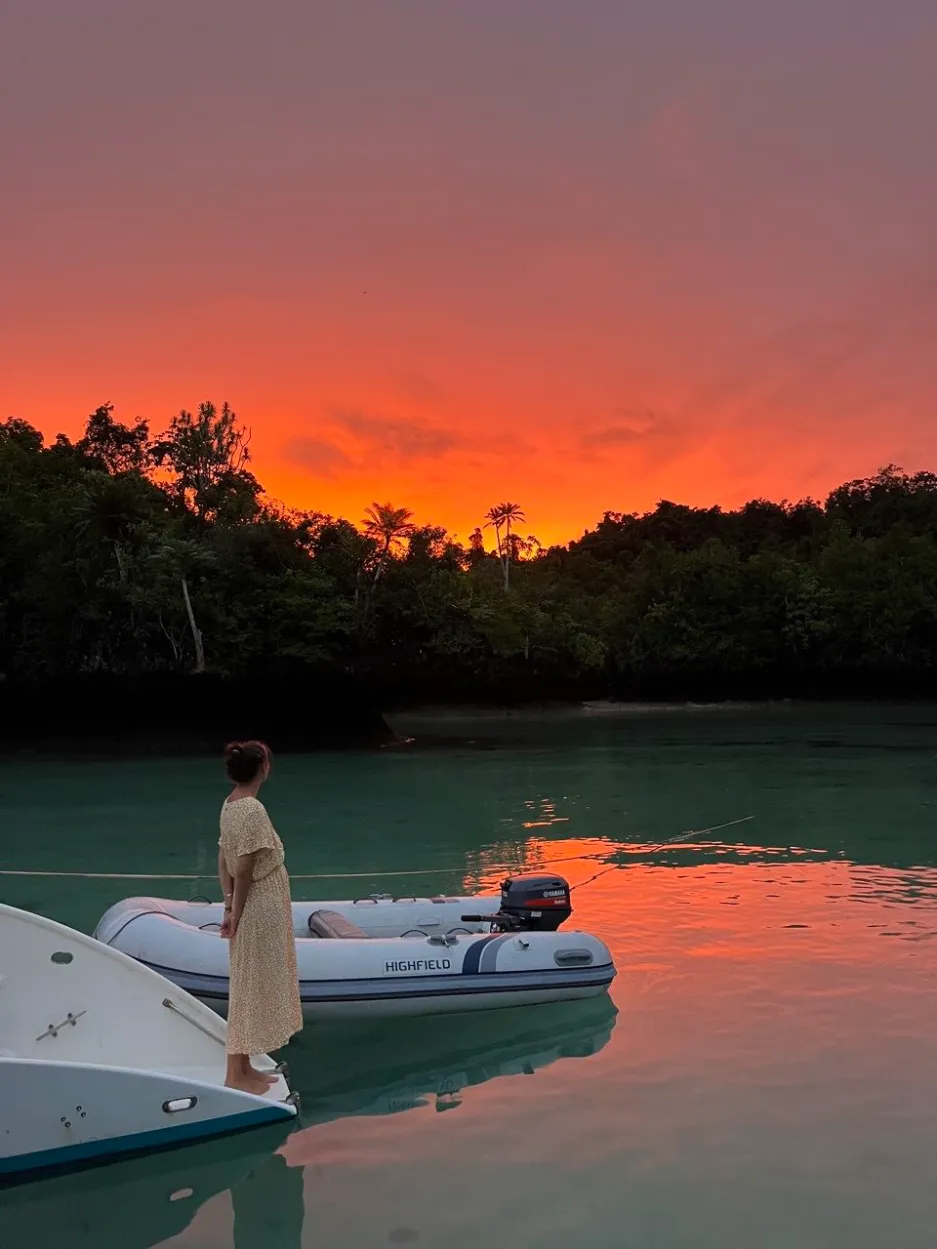
The Best Time to Visit Muna Island for Nature Culture and Adventure
How to choose Muna travel dates by matching weather, sea conditions, cave access, heritage care, and community schedules.
Plan the best time to visit Muna Island by matching your route, activity priorities, physical comfort, and local operating conditions.
There is no single best month for every Muna Island experience. The right travel period depends on whether the route prioritizes lakes, caves, beaches, ancient heritage, community visits, or boat movement. Weather affects roads and cave approaches, while wind, waves, and tide affect coastal destinations. A date that is comfortable for a land-based nature route may not be ideal for a marine itinerary.
This guide explains how to choose dates by activity and risk rather than repeating an unsupported universal “best season†claim. Current forecasts, marine conditions, local access, guide availability, and community schedules must still be confirmed before departure.
Choose Dates by Route Purpose
Begin with the main purpose of the trip. A lake and landscape route has different needs from a boat-heavy coastal journey. A cave and heritage route depends on safe approaches, dry footing, conservation rules, and guide availability. A community visit depends on local hosting rather than only on the weather.
Write down the two or three experiences that matter most, then ask the operator which conditions could affect them. This creates a more useful date decision than relying on a generic calendar label.
Weather Affects More Than Rain
Weather influences visibility, road surfaces, cave entrances, heat, water movement, and the comfort of a group waiting outdoors. Rain may make a route slippery or change the timing of a cave visit. Strong wind may affect a boat transfer even when the beach itself appears attractive.
Check an official forecast close to departure and ask the local operator for a practical assessment. A forecast cannot replace local knowledge of a road, shoreline, landing point, or cave approach.
Marine Conditions and Coastal Transfers
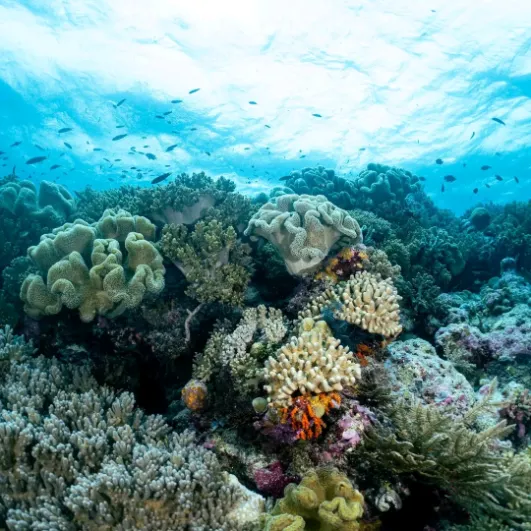
A coastal itinerary may depend on wind, waves, tide, visibility, and the condition of a landing point. These factors can change during a day and may affect a sandbar, village transfer, or boat activity. Never treat a beach photograph as evidence that a boat route will operate safely on every date.
Ask how the operator monitors marine conditions, what alternative exists, and how the group will be informed. A responsible change of plan is preferable to forcing an activity into unsuitable conditions.
When Lake Travel Works Best
Napabale Lake, Moko Lake, Moko Panjang, and Moko 2 are useful for travelers who want inland landscapes and a slower pace. The best day for a lake visit is one that allows safe road access, comfortable heat, and enough time to observe the water and surrounding landforms.
Confirm whether the shoreline is accessible, which areas are used by residents, and whether any water activity is actually permitted. A lake visit remains valuable through photography and observation even when swimming or boating is unavailable.
Planning Cave and Heritage Visits
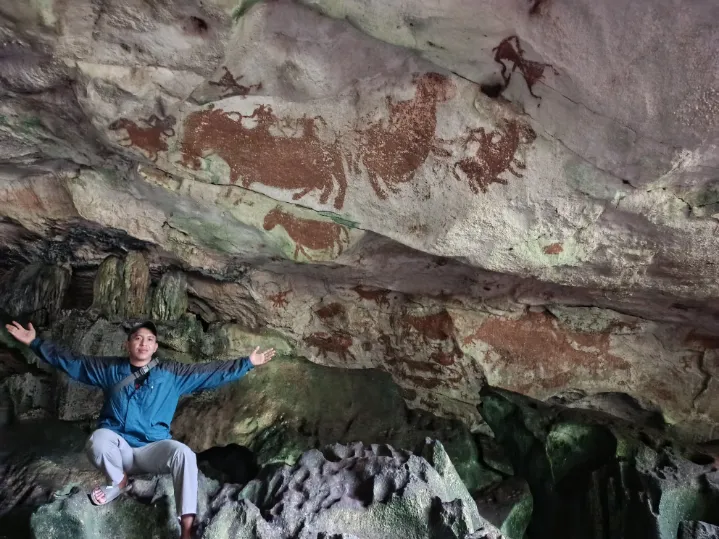
Cave visits need attention to footing, moisture, darkness, and group stamina. Heritage sites require an additional layer of care. Nature research reported a minimum-age constraint for a studied Liang Metanduno hand stencil, so visitors must follow rules about distance, photography, light, and contact.
Ask whether recent rain affects access, whether a guide is available, and which areas are open. Do not schedule a sensitive heritage visit as a rushed stop between long transfers.
Beach Travel and Heat Management
Beach days may look easy, but heat, sun exposure, water, and walking surfaces affect comfort. Plan shade, drinking water, rest, sun protection, and spare clothing. Families and older travelers may prefer an earlier or later coastal visit if the operator confirms that the route and facilities support it.
JADesta describes the Meleura/Lakarinta setting through clear water, white sand, karst rock, facilities, and community attractions. Current facility condition and activity permission still need confirmation.
Community Schedules Matter Too
A community visit cannot be scheduled only by looking at a weather app. Bajau villages and Meleura cultural attractions require hosts, consent, appropriate timing, and clear expectations. Ask whether the visit is available on the chosen date, who leads it, and what photography or participation rules apply.
Do not promise an encounter with a community without current coordination. A respectful operator allows local hosts to decide whether and how visitors are welcomed.
Avoiding Crowded Assumptions
Travelers sometimes search for a single quiet season, but crowd levels can depend on weekends, holidays, local events, package departures, transport capacity, and weather. Ask about the expected group size and whether the route can be adjusted for a slower experience.
A less busy date is not automatically a better date if road, sea, or guide conditions are unsuitable. Comfort comes from matching demand and conditions, not from a calendar claim alone.
How to Choose Dates for Different Groups
Families should prioritize stable access, shade, rest, meals, and manageable walking. Photographers may want flexible light and longer pauses. Heritage travelers should prioritize guide availability and conservation access. Adventure groups may accept more physical effort but must still follow weather and safety decisions.
Tell the operator the group profile before selecting a date. The same week can suit one group and frustrate another because expectations, mobility, and priority activities differ.
What to Pack for Variable Conditions
Pack practical shoes, sun and rain protection, drinking water, personal medication, spare clothing, and a small first-aid supply. Add a dry bag only when coastal or boat movement is confirmed. Do not bring equipment that encourages touching cave surfaces or entering water without permission.
Packing for change is more useful than packing for an imagined perfect day. The group should be able to move from a hot coast to a damp cave approach without losing comfort or safety.
Build a Date Decision Checklist
Before confirming dates, check the official forecast, marine conditions if relevant, road and cave access with the operator, guide availability, community hosting, accommodation, transport, and alternative activities. Record when each item was confirmed because conditions can change.
Ask what happens if a key experience is cancelled. A clear alternative should preserve the main purpose of the trip, such as replacing a boat activity with a lake or community interpretation when appropriate.
Responsible Flexibility
Flexibility is part of responsible nature and culture travel. If weather makes a cave approach unsafe, or sea conditions make a boat route unsuitable, the group should accept the adjustment. Forcing the original plan can damage a site, put people at risk, or place unfair pressure on local guides and hosts.
A good operator explains the reason for the change and keeps the group involved. The best travel date is therefore one that allows decisions to respond to reality.
A Seasonal Planning Conversation with the Operator
Ask the operator which months or periods are usually preferred for the specific route, but treat that answer as guidance rather than a guarantee. Ask what evidence supports the recommendation and which conditions are checked shortly before departure.
This conversation should cover the exact destinations, not only the province or island name. “Muna trip†can mean lakes, caves, beaches, community visits, or a combination, and each combination has different timing needs.
Final Advice on Choosing Your Muna Date
Choose a date by matching the group, route, access, weather, sea, guide, and community conditions. Do not rely on one universal best month or assume that a beautiful image guarantees a particular activity. Confirm current information close to departure and keep alternatives available.
Muna rewards travelers who plan carefully but remain willing to change the order. A flexible date decision protects comfort, safety, heritage, communities, and the quality of the experience.
Dry Conditions Are Not the Only Consideration
Travelers often reduce seasonal planning to finding the driest possible date, but a useful decision also considers heat, visibility, wind, road condition, water movement, and the group’s energy. A hot clear day may be comfortable for a short beach stop but tiring for a long inland transfer. A cloudy day may be better for walking, while a wet day may make a cave approach less suitable.
Ask what the route actually needs instead of seeking a perfect weather label. The operator can explain which conditions matter most for the selected destinations.
Matching Date to Photography Goals
Photographers should discuss whether the priority is lake reflections, cave texture, coastal light, village life, or underwater visibility. Each subject responds to different conditions. A bright sky may not provide the best cave image, while a calm sea matters more for a boat-based route than for a land-based heritage visit.
Allow flexible time for light and ask permission before photographing people, homes, boats, or cultural activities. Do not make a community or heritage site responsible for producing a specific image.
Planning Around Health and Comfort
Travelers with medication, heat sensitivity, mobility needs, or dietary restrictions should choose a route and date that allow proper rest and access to supplies. Inform the operator before confirmation. A demanding cave route, hot beach transfer, or long boat movement may require more preparation than a standard sightseeing day.
Comfort planning is not separate from the travel experience. A group that is hydrated, rested, and properly equipped can listen better, move more safely, and respond to changes without stress.
How Operators Should Explain Seasonal Uncertainty
A reliable operator should explain which parts of the itinerary are fixed and which depend on weather, tide, visibility, road access, or community availability. Travelers should be told how a change will be communicated and what alternative is considered reasonable.
Avoid language that promises perfect conditions, guaranteed marine visibility, or an exact cave experience throughout the year. Clear uncertainty is more useful than a confident claim that cannot survive changing conditions.
A Date Decision for Nature and Heritage Together
When a trip combines nature and heritage, protect the most sensitive experience first. A heritage cave may need controlled access even when the beach is comfortable. A coastal transfer may be cancelled even when an inland lake remains accessible. Choose a route that has alternatives without treating ancient evidence as an optional photo stop.
This planning method lets the group preserve the purpose of the trip when one environment changes. It is better to have a meaningful lake and community day than to force an unsafe or damaging cave visit.
Check Conditions Again Before Departure
A date chosen months in advance should be reviewed again close to departure. Check official weather and marine information, then ask the local operator about roads, boats, caves, facilities, and community arrangements. Record the confirmation date and any change to the route.
This final check is especially important for travelers carrying equipment, booking connections, or traveling with children and older people. It gives the group time to adjust clothing, medication, meals, and expectations.
The Best Date Is the Date That Fits Reality
Muna does not need a universal best season to be worth visiting. It needs travelers who choose dates according to the actual route and remain open to local knowledge. A flexible date can support lakes, caves, heritage, beaches, and community experiences without promising that every activity will operate identically.
The most reliable planning decision is therefore specific: choose the date, confirm the conditions, prepare alternatives, and let safety and conservation guide the final order.
Travel Dates for a Lake and Cave Combination
If the route combines lakes and caves, choose a period that gives the operator flexibility around road and ground conditions. Napabale and the Moko locations may be suitable for observation when access is clear, while Angel Cave and Laumehe need extra attention to damp or uneven approaches. The group should not treat a clear forecast as a guarantee that every path is dry.
Ask whether the cave order can change and whether a lake or coast can replace a cave temporarily. This protects the itinerary’s nature focus without forcing a risky entry.
Travel Dates for Heritage and Community
A heritage and community trip needs more than comfortable weather. Liang Metanduno requires conservation-sensitive access and a guide, while Bajau villages and Meleura require local hosting and consent. Confirm availability directly rather than assuming a community activity operates every day.
A slower date with fewer transfers may be better than a crowded schedule that arrives when a host is unavailable or when a heritage site cannot receive visitors.
Rechecking the Route on the Day
On the morning of departure, confirm pickup, road, water, and local access again. Ask the guide whether any destination has changed condition and whether the group should adjust clothing or equipment. A short briefing can prevent problems later in the day.
Travelers should accept that a local decision may differ from an online forecast. The guide sees the actual route and has responsibility for the group’s movement.
The Value of an Off-Peak Conversation
A quieter travel period can create more time for questions and local interpretation, but it may also coincide with reduced services or fewer departures. Ask whether accommodation, transport, food, guides, and community visits operate on the chosen date.
The goal is not simply to avoid other travelers. It is to find a period in which the group can receive the experience it wants without asking local hosts or natural sites to operate beyond their capacity.
Frequently Asked Questions
What is the best month to visit Muna Island?
There is no single best month for every route. Choose dates according to the activities, marine conditions, road access, cave conditions, guide availability, and community schedules.
How do I check coastal conditions?
Check official marine information and confirm the practical condition with the local operator before boat or coastal activities.
Can rain cancel a cave visit?
Rain can affect approaches, footing, roads, and safety. Confirm the current condition and ask for an alternative route if needed.
Do cultural visits depend on date?
Yes. Community hosting, local events, permissions, and guide availability can affect whether a cultural visit operates on a particular date.
Plan your journey with Laode Traphel.
You May Also Like
10 Amazing Places to Explore in Wakatobi for an Unforgettable Journey
Wakatobi
Kaledupa Island Travel Guide for Exploring Nature and Local Island Life
Kaledupa, Wakatobi
.webp)
The Best Snorkeling Destinations to Explore in Wakatobi
Wakatobi
The Best Time to Visit Wakatobi for Diving Snorkeling and Island Travel
Wakatobi
.webp)
How to Plan the Perfect Muna Island Trip for Nature and Culture
Muna
.webp)
The Best Natural Attractions to Explore Across Muna Island
Muna