
.webp)
How to Plan the Perfect Muna Island Trip for Nature and Culture
A practical planning framework for combining Muna lakes, caves, heritage, coast, and community experiences.
Plan a balanced Muna Island trip by matching nature, culture, route effort, local coordination, weather, and the needs of your group.
Planning a Muna Island trip for nature and culture requires more than collecting attraction names. Lakes, caves, heritage sites, beaches, and coastal communities involve different physical conditions, different rules, and different kinds of interpretation. A good itinerary gives each experience enough time and keeps the commercial promise aligned with what the operator can actually provide.
This guide offers a planning framework rather than a fixed schedule. It explains how to choose priorities, balance effort, confirm logistics, prepare for local conditions, and visit cultural places respectfully. The final route should be checked with Laode Traphel because roads, weather, access, community arrangements, and facilities can change.
Begin with the Experience You Want
Before choosing destinations, decide what the group hopes to feel and learn. A nature-first trip may prioritize Napabale Lake, Moko Lake, Moko Panjang, Moko 2, caves, and Meleura. A heritage-first trip may place Liang Metanduno and Liang Kabori at the center. A community-focused trip may reserve time for Bajau villages and Meleura’s local tourism setting.
These priorities should shape the number of stops. A route built around photography needs longer pauses, while a family route needs rest and easy access. A group interested in cave art needs interpretation and conservation time, not a rushed sequence of viewpoints.
Separate the Stable Facts from Changeable Logistics
Destination names, project image assets, and research findings provide a stable editorial foundation. Fees, opening hours, road conditions, local guides, boat availability, facilities, and activity permissions can change. Keep those categories separate when preparing a page or confirming a booking.
For example, Liang Metanduno’s research significance can be explained accurately while access rules still need current confirmation. Meleura can be described through karst coast and community tourism while water activities remain subject to current conditions. This distinction keeps the itinerary honest.
Build a Route Around Landscape Transitions
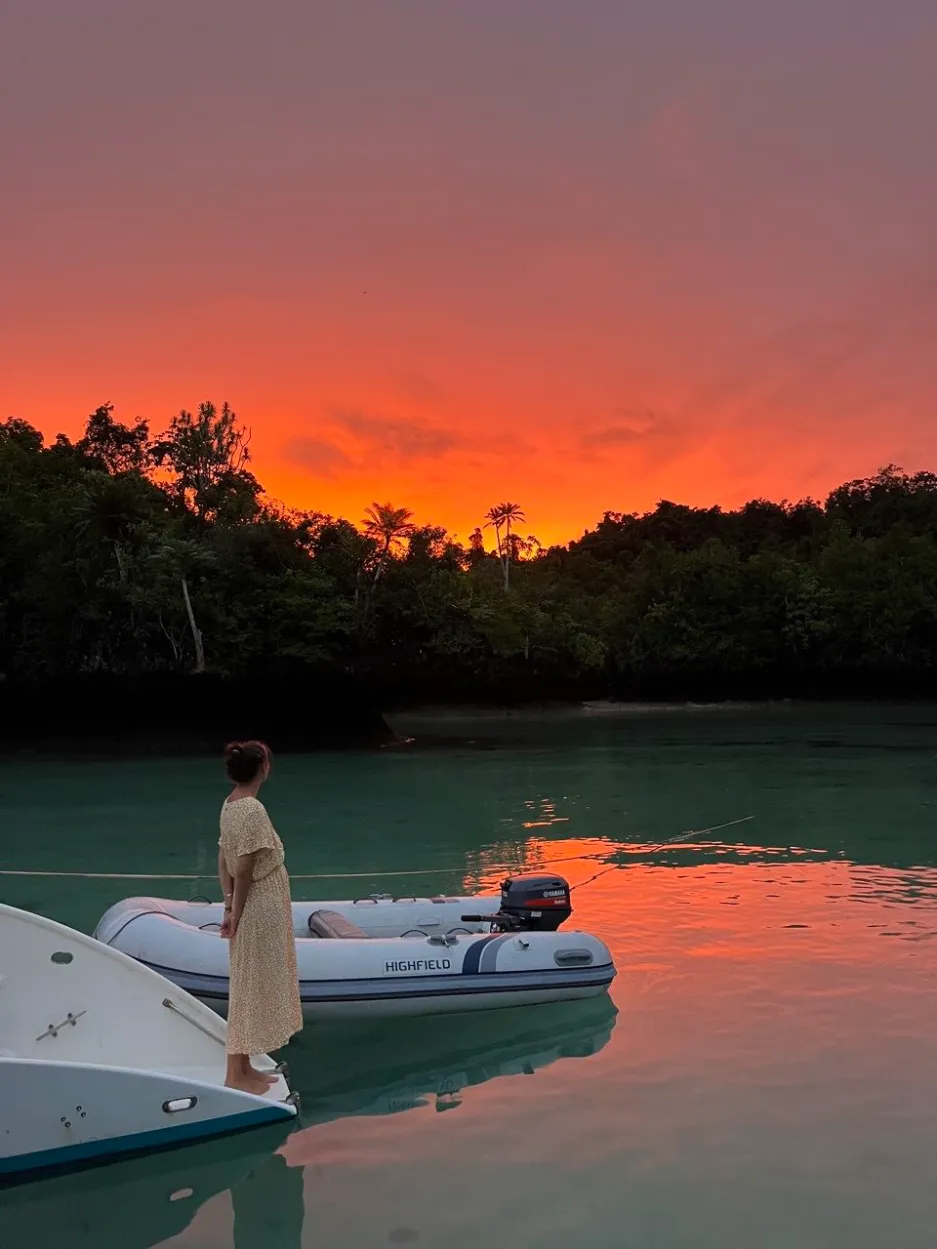
A balanced route can move from inland water to karst and heritage, then back to the coast. Napabale or a Moko destination can introduce Muna through a slower landscape. Angel Cave or Laumehe can provide guided exploration. Liang Metanduno can add heritage interpretation, while Meleura offers open space and recovery.
This sequence is not a promise that everything fits into one day. It is a way to understand how different environments can support one another. Confirm travel times and access before assigning exact days.
Choose the Right Level of Physical Effort
Caves may involve uneven ground, darkness, moisture, and careful walking. Lakes may have unclear shorelines or paths. Karst coast can include slippery rock and changing tides. Community visits may require walking and a slower pace. Ask for a plain description of each approach before including it in the route.
Families, older travelers, and people with mobility concerns should discuss the group’s needs early. Experienced travelers should also respect local safety decisions. Do not label a route easy or accessible without confirming the actual conditions.
Plan Heritage Visits with Extra Time
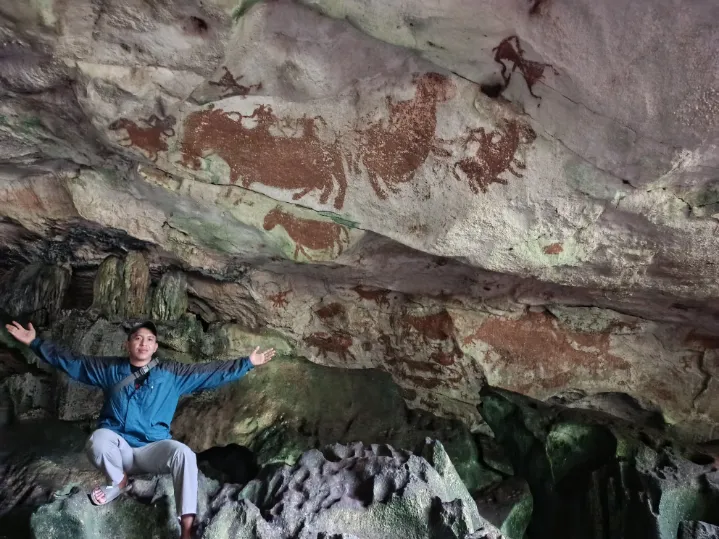
Liang Metanduno should not be treated as a quick photograph stop. Nature research reported a minimum-age constraint of about 67.8 thousand years for a studied hand stencil through dating overlying calcite. Visitors need time to hear the explanation, follow distance and photography rules, and understand why touching or leaning against surfaces is prohibited.
Ask whether a qualified or trained local interpreter is available, which areas are open, and how weather affects access. A slower heritage visit is more valuable than forcing it between long transfers.
Coordinate Community Experiences Before Arrival
Bajau Tribe Village, Sandbar Bajau Village, and community attractions around Meleura require local coordination. Ask who hosts the visit, what activities are available, whether a contribution is expected, and what photography rules apply. Do not promise an encounter with residents without current approval.
Visitors should arrive as guests and allow the host to define appropriate boundaries. A cultural visit is successful when it supports listening and understanding rather than treating residents as scenery.
Decide How Many Days the Route Needs
The right duration depends on the starting point, transfer method, group size, and priority destinations. A short trip may focus on one landscape theme. A longer trip can alternate lakes, caves, heritage, and coast with enough rest. Do not use an editorial list of attractions as proof that every place can be visited within a commercial package duration.
Ask the operator which stops are guaranteed, which are alternatives, and which depend on weather or community availability. This keeps the schedule realistic and prevents the group from spending the entire trip in transit.
Confirm Transport and Pickup Details
Before paying a deposit, confirm the pickup city, vehicle type, route between destinations, and any boat or local transfer. Ask where the trip ends and how much time is reserved for the return journey. A location may appear close on a map but require longer movement because of road conditions, loading points, or weather.
The operator should explain what happens if a connection is delayed or a coastal transfer becomes unsuitable. A flexible alternative is better than pretending that a printed schedule cannot change.
Plan Accommodation and Rest Properly
Accommodation affects how much the group can enjoy the next day. Ask where the group stays, how close it is to the first stop, what room arrangements are available, and whether meals are included. A schedule that begins before sunrise and ends late every day may reduce the quality of both nature observation and cultural interaction.
Rest is particularly important after cave exploration or long coastal transfers. Leave time for drying clothes, charging equipment, taking medication, and preparing for the next environment.
Food, Water, and Personal Needs
Confirm which meals are included and where food is available during transfers. Tell the operator about allergies, dietary restrictions, medical needs, and mobility concerns. Do not assume that every lake, cave, or beach has a shop, restaurant, toilet, or drinking-water point.
Bring water, sun and rain protection, personal medicine, practical footwear, and spare clothing according to the route. A dry bag may help with coastal transport, but confirm equipment needs rather than assuming what the package supplies.
Use Images and Descriptions Accurately
An image should represent the exact subject discussed in the section. A lake image belongs with lake interpretation, a cave-art image with heritage, and a village image with community context. A photograph cannot prove current facilities, safety, opening hours, or activity permission.
Use captions that identify the destination correctly and avoid claims such as untouched, secret, or guaranteed. Accurate visual planning helps readers understand what they are actually booking.
Create a Weather and Access Backup Plan
Rain can affect cave approaches and roads. Wind and sea state can affect boat routes and beaches. Tide can change sandbar access. Ask the operator which locations are weather-dependent and what alternatives preserve the trip’s main purpose.
A backup does not need to be an unrelated attraction. A lake can replace a coastal activity for a nature-focused group, while a community explanation or heritage interpretation may replace a physically difficult route when access is limited.
A Sample Nature-and-Culture Structure
A practical structure might begin with an inland-water landscape, continue with a cave or karst experience, reserve a separate period for ancient heritage, and finish with Meleura or a coordinated coastal community visit. The exact destinations should be chosen after transport and access are confirmed.
The value of this structure is balance. It gives the group open landscapes, active exploration, careful interpretation, rest, and human connection without treating every stop as the same kind of sightseeing.
Responsible Travel and Local Value
Carry waste out when facilities are uncertain, avoid damaging rock and vegetation, and never remove natural or cultural material. Ask before photography and use locally coordinated guides or services when appropriate. Clarify fees and contributions so support is transparent.
Responsible travel also means accepting a change of plan. A safe decision to cancel a boat activity or limit access to a heritage surface is part of protecting the destination, not a failure to deliver the trip.
Questions to Ask Before Booking
Ask which exact destinations are included, what the price covers, how many people are in the group, what transport is used, and which guides or tickets are included. Confirm accommodation, meals, pickup, return transfer, physical demands, photography rules, community arrangements, and weather alternatives.
Keep the answers in the booking record and compare them with the article. This prevents a broad editorial description from being mistaken for a guarantee that every named attraction is included.
Review the Journey After Departure
After a trip, record actual transfer time, facilities, access conditions, guide support, community arrangements, and any changes caused by weather. Date the notes and separate direct observation from research. These records help update future content without turning one departure into a universal rule.
A good travel page should become more accurate as real journeys provide new information. That process supports readers, operators, local hosts, and the places included in the route.
Final Planning Principle for Muna
The perfect Muna trip is not the one with the longest list. It is the one that matches the group, respects the evidence, leaves room for local conditions, and gives each landscape its proper attention. Lakes, caves, heritage, beaches, and communities can create a rich journey when they are connected thoughtfully.
Confirm the logistics, prepare for different environments, follow local guidance, and keep the public promise aligned with the real route. That is how a nature-and-culture itinerary becomes both memorable and responsible.
Choose Your Group Profile Before Your Route
A route for photographers is different from a route for a family, a heritage researcher, or a group that wants relaxed coastal time. Write down the group’s ages, mobility needs, activity tolerance, dietary needs, and main interests before choosing destinations. This makes the later conversation with the operator more specific.
A group that agrees on its priorities is less likely to spend the trip debating whether to add another stop. It can also accept a weather-related change more easily because everyone understands which experience matters most.
Use a Priority and Alternative System
Divide the route into priority stops, preferred alternatives, and optional stops. A priority may be Liang Metanduno or Meleura. An alternative may be a lake or community explanation when weather affects a cave or boat route. Optional stops should be added only when travel time and group energy allow them.
This system is more practical than promising every named destination. It gives the operator room to protect safety and conservation while still preserving the central character of the trip.
Budget for More Than the Headline Price
A travel budget should include transport, accommodation, meals, entrance fees, local guides, boat transfers, community contributions, equipment, and personal spending. Ask which items are included in the package and which are paid separately. A lower headline price may not represent the lower total cost if essential transfers or activities are excluded.
Keep a small contingency for weather changes, additional local transport, medication, or a meal outside the planned schedule. Confirm payment methods and whether remote areas require cash, but do not publish an assumed amount without current operational confirmation.
Plan Communication and Emergency Information
Save the operator’s contact, pickup details, accommodation address, guide name, and emergency information before departure. Tell a trusted person at home which route and dates the group is using. Ask how communication works when a road, cave, or coastal transfer has limited signal.
The group should know where to meet if it separates briefly for a rest stop or optional activity. Simple communication planning prevents a small schedule change from becoming a larger problem.
Keep Meals and Energy Aligned with the Route
A cave, long road transfer, or boat route may require more energy than a short beach visit. Confirm meal timing and carry suitable snacks when the operator advises it. Tell the team about allergies or dietary restrictions early, especially when food options are arranged locally.
Do not plan a demanding cave visit immediately after a long transfer without allowing the group to rest and prepare. Good pacing improves attention at heritage sites and reduces the chance that visitors rush through community encounters.
Respect the Difference Between Flexibility and Uncertainty
A flexible itinerary is not the same as an unprepared itinerary. Flexibility means the operator has identified what may change, why it may change, and how the group will be informed. Uncertainty means the traveler has not been told what is included or who is responsible for the next transfer.
Before booking, ask for the confirmed structure and the change policy. A clear plan can still adapt to weather, tide, roads, local schedules, and conservation limits without becoming vague.
Make the Final Booking Check
Before payment, compare the written booking details with the article and the group’s priorities. Check the exact title of the package, destination names, duration, group size, price, inclusions, pickup, accommodation, meals, guide support, and cancellation or weather arrangements.
Ask one final question about the most important experience: is it guaranteed, weather-dependent, or subject to local coordination? This answer helps the group understand the difference between inspiration on a page and the operational promise of a booking.
Plan Time for Unplanned Observation
A good itinerary leaves a little space for observation that cannot be scheduled precisely. A group may need longer at a lake because the light changes, more time at a village because a host is explaining a local practice, or a quiet pause after a cave. These moments are not wasted time; they are part of understanding the destination.
Avoid filling every gap with another attraction. A crowded schedule can make the group miss the very details that make Muna different from a standardized tour route.
What to Do When the Group Has Different Interests
A group may include one person interested in heritage, another who prefers beaches, and a third who wants active cave exploration. Discuss these differences before departure and identify shared priorities. Optional activities should be planned only when transport, supervision, and meeting points are clear.
A flexible guide can divide attention without dividing the group unsafely. One traveler may photograph a lake while another rests, but everyone should know where to meet and which activities require the local guide.
Use Research to Set Expectations, Not to Replace Experience
Research gives a destination context, but it cannot predict every feeling or condition on the day. Nature findings can explain karst, water, or heritage evidence. Community tourism sources can identify local attractions and facilities. The actual journey still depends on weather, access, people, and the way the group moves through the place.
Read the research before traveling, then allow local interpretation and direct observation to complete the picture. This balance prevents the itinerary from becoming either an unsupported advertisement or a purely academic exercise.
A Better Definition of a Perfect Trip
A perfect Muna trip is not free from change. It is clear about what is known, prepared for what may change, and respectful when local conditions require a different decision. The group sees meaningful places, understands why they matter, and does not create unnecessary pressure on communities or fragile environments.
When the route returns home, the best result is not only a gallery of images. It is a set of accurate memories, better questions, and a stronger connection between nature, culture, research, and the people who make Muna a living destination.
The Final Pre-Departure Conversation
Before leaving, gather the group and repeat the exact route, pickup time, included services, personal needs, and behavior expectations. Confirm who to contact if weather changes and remind everyone that local guidance takes priority over a printed plan. This short conversation can prevent confusion and helps the group begin the journey with shared expectations. It also gives travelers one final opportunity to ask about clothing, medication, cash, food, photography, and meeting points.
Frequently Asked Questions
How should I begin planning a Muna Island trip?
Start by choosing whether nature, heritage, coast, or community experience is the main priority, then match the route to group ability, time, and current access.
Can lakes, caves, heritage, and beaches fit in one trip?
Yes, but the final order and number of stops must depend on transfer time, weather, physical demands, and local coordination.
What should I confirm with the operator?
Confirm exact destinations, transport, pickup, duration, group size, accommodation, meals, tickets, guides, physical requirements, community rules, and weather alternatives.
How can I plan a responsible cultural visit?
Ask permission, follow local hosts, protect heritage surfaces, avoid unsupported claims, and accept access limits or itinerary changes.
What should I bring?
Bring practical footwear, drinking water, sun and rain protection, personal medication, spare clothing, and any confirmed equipment for caves or boat transfers.
Plan your journey with Laode Traphel.
You May Also Like
10 Amazing Places to Explore in Wakatobi for an Unforgettable Journey
Wakatobi
Kaledupa Island Travel Guide for Exploring Nature and Local Island Life
Kaledupa, Wakatobi
.webp)
The Best Snorkeling Destinations to Explore in Wakatobi
Wakatobi
The Best Time to Visit Wakatobi for Diving Snorkeling and Island Travel
Wakatobi
The Best Time to Visit Muna Island for Nature Culture and Adventure
Muna
.webp)
The Best Natural Attractions to Explore Across Muna Island
Muna