
.webp)
The Best Natural Attractions to Explore Across Muna Island
A landscape-based guide to Muna lakes, caves, karst coastlines, beaches, and community-linked nature experiences.
Explore Muna Island natural attractions through connected landscapes rather than a rushed list of separate photo stops.
Muna Island is easiest to appreciate as a connected natural landscape rather than as a collection of unrelated attractions. Inland lakes bring a slower rhythm, limestone caves change the scale of exploration, karst coastlines shape the shore, and beaches provide open space for rest. The natural story also includes communities whose relationship with water and coast gives the landscape a lived context.
This guide groups the attractions by the kind of landscape they represent. It does not rank one location as permanently better than every other place, because access, weather, physical demands, and visitor purpose differ. The available research and project data support the destination character, while current fees, facilities, safety, and activity permissions still need confirmation before travel.
Reading Muna as One Connected Landscape
Muna’s natural attractions make more sense when water, rock, coast, and community are considered together. A lake is shaped by the land around it, a cave belongs to a wider karst environment, and a beach is influenced by substrate, water movement, vegetation, and nearby settlement. This approach is more useful than describing every stop with the same words such as beautiful, hidden, or untouched.
Research associated with tourism objects in the Lohia area connects different environmental forms, including lakes and coastal features, to the local tourism landscape. That relationship gives visitors a way to plan a route with changing scenery and different levels of activity.
Napabale Lake and the Inland-Water Perspective
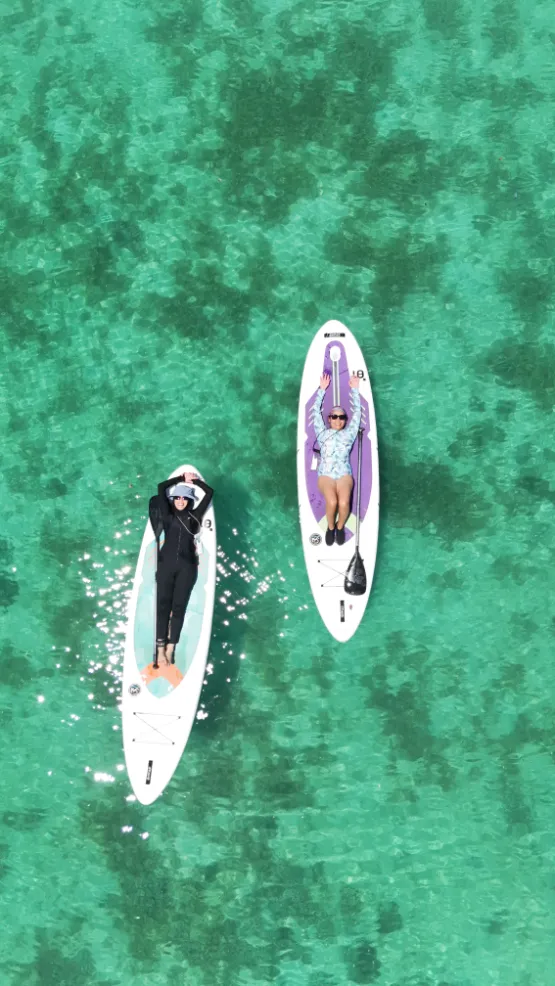
Napabale Lake is one of the strongest natural anchors in Muna because descriptions of the site connect its inland water with surrounding hills and the sea. The attraction is not only the water surface. It is the relationship between lake, rock, landform, and coast. Travelers who pause to observe that relationship gain a better understanding of why Muna cannot be described only through beaches.
A natural connection to the sea should not be interpreted as permission to enter a tunnel or swim without guidance. Tide, weather, water movement, and access conditions can affect safety. Confirm the appropriate viewing area and current rules with a local operator.
The Moko Lakes as a Group of Distinct Places
Moko Lake, Moko Panjang, and Moko 2 are listed separately in the project data and should remain distinct in a natural-attractions guide. Together they show that Muna’s inland-water experience is broader than one famous lake. Their separate names are important for route planning because the approach, facilities, duration, and local interpretation may differ.
Travelers should ask which Moko destination a package actually includes. Similar names do not prove that the locations are interchangeable or close enough for a short transfer. If several are visited, allow time for movement, rest, and changing road conditions rather than treating the route as a simple checklist.
Angel Cave and the Natural Power of Limestone
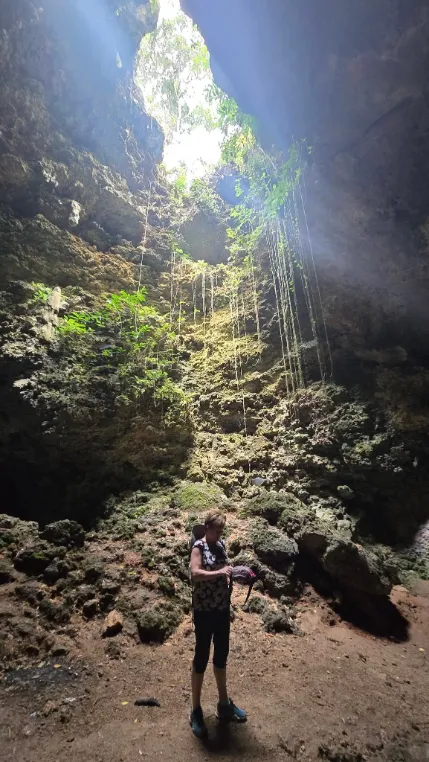
Angel Cave offers a different natural experience from open water. Visitors enter an enclosed limestone environment where light, sound, moisture, and footing change the way the landscape is perceived. The cave should be visited with practical shoes and local guidance. The project confirms the destination and its image asset, but current walking time, difficulty, facilities, and access rules require confirmation.
The natural beauty of a cave is not a reason to touch formations or move away from an approved route. Stay with the guide, carry waste out, and avoid assuming that a cave has lighting, rails, toilets, or emergency equipment.
Laumehe Cave and Changing Outdoor Conditions
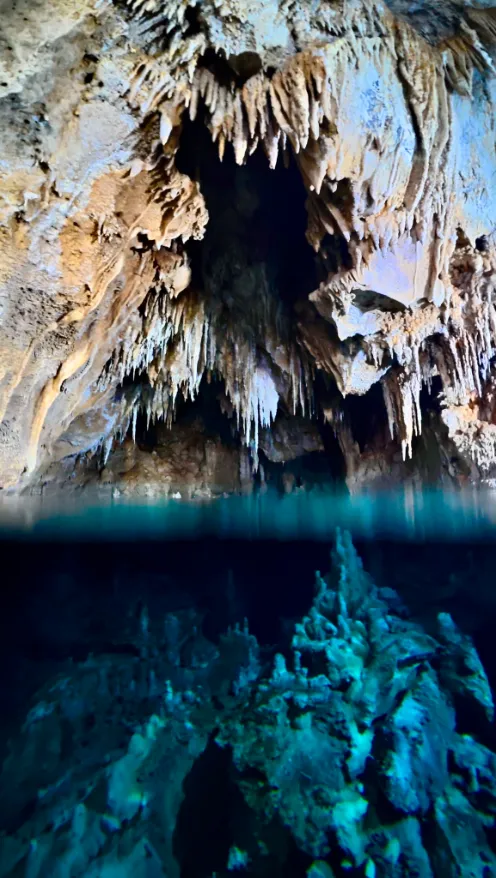
Laumehe Cave belongs to the same broad karst story but should not be merged with Angel Cave. A separate destination may have a different approach, ground condition, guide arrangement, and physical demand. Rain can affect cave entrances and paths, so the final order should remain flexible.
Visitors can enjoy the natural formations through careful observation without collecting stones, scratching walls, or leaving food and rubbish. Ask the operator what footwear, lighting, and clothing are appropriate before departure.
Liang Metanduno: Nature with Deep Heritage Value
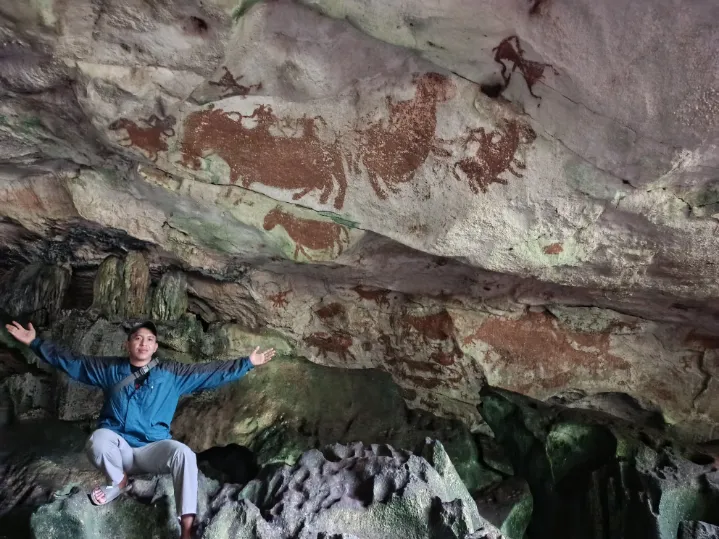
Liang Metanduno belongs in a natural-attractions guide because the cave setting is inseparable from the heritage evidence found there. Nature research published in 2026 reported dating calcite overlying a studied hand stencil and gave a minimum-age constraint of about 67.8 thousand years for that motif. The result concerns specific evidence and should not be generalized to every image or cave on Muna.
The site requires visitors to observe without touching, wetting, marking, or leaning against surfaces. It is a natural landscape and a heritage environment at the same time, so adventure must be balanced with conservation.
The Wider Liang Kabori Cave and Shelter Landscape
Academic research associated with Liang Kabori identifies a wider landscape of caves and shelters with figurative and nonfigurative rock-art motifs. This helps explain that Muna’s natural attractions can contain cultural evidence and that one cave should not stand in for every other site.
Travelers should ask which places are open, which are natural attractions, which have documented heritage, and which require special access. A local guide can help separate geological observation from archaeological interpretation and protect surfaces that may be irreplaceable.
Meleura Beach and the Karst Coast
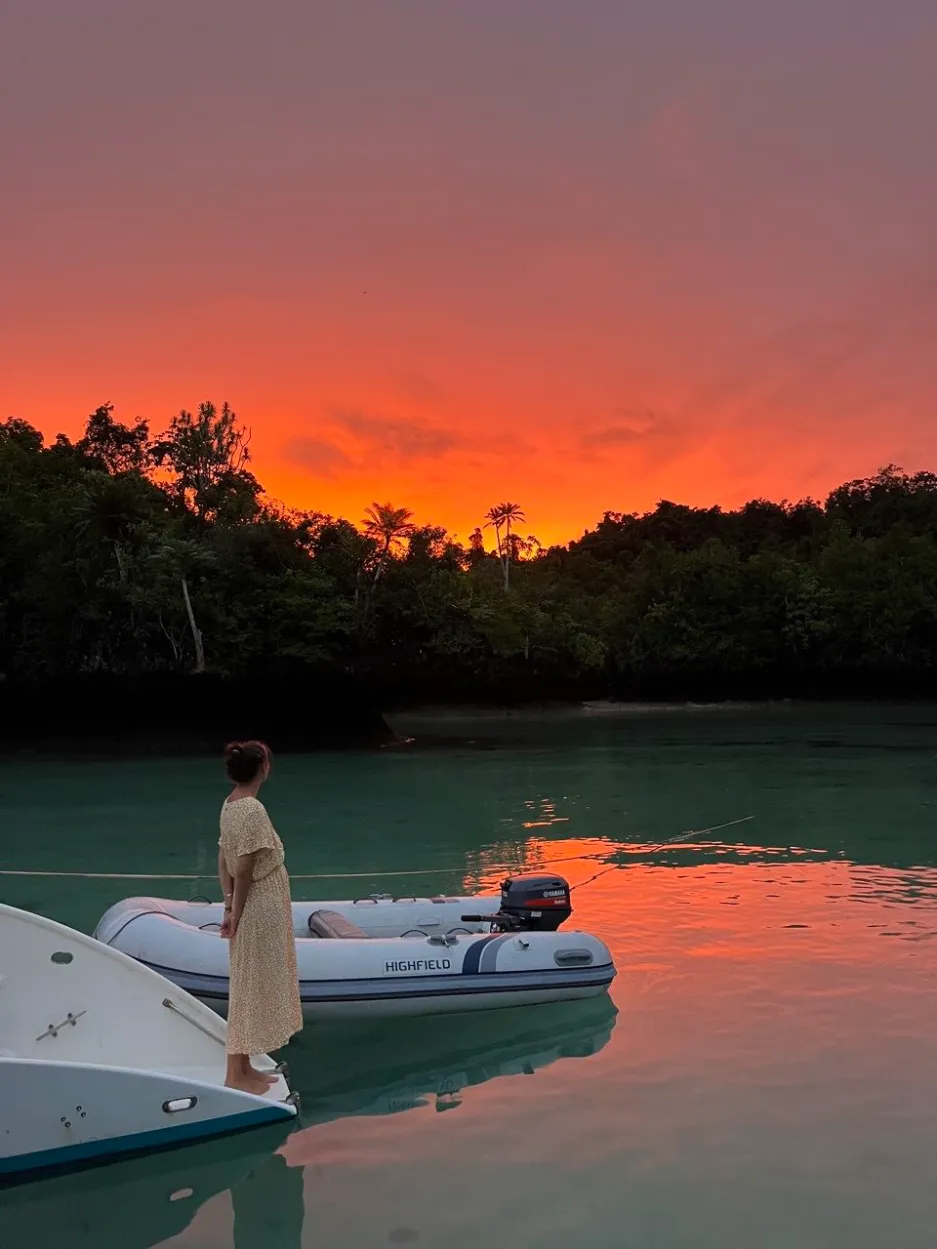
Meleura Beach gives the natural-attractions route an open coastal dimension. JADesta describes the Lakarinta tourism setting through clear seawater, white sand, karst rock, facilities, and community attractions. Visitors can read the shoreline through the relationship between water, sand, rock, vegetation, and nearby settlement.
Beach activities should be confirmed rather than assumed. Research assessed separate Meleura stations with different suitability values, but those figures belong to the study context and do not guarantee current swimming or snorkeling conditions. Weather, sea state, maintenance, and management can change the experience.
Coastal Communities as Part of the Natural Story
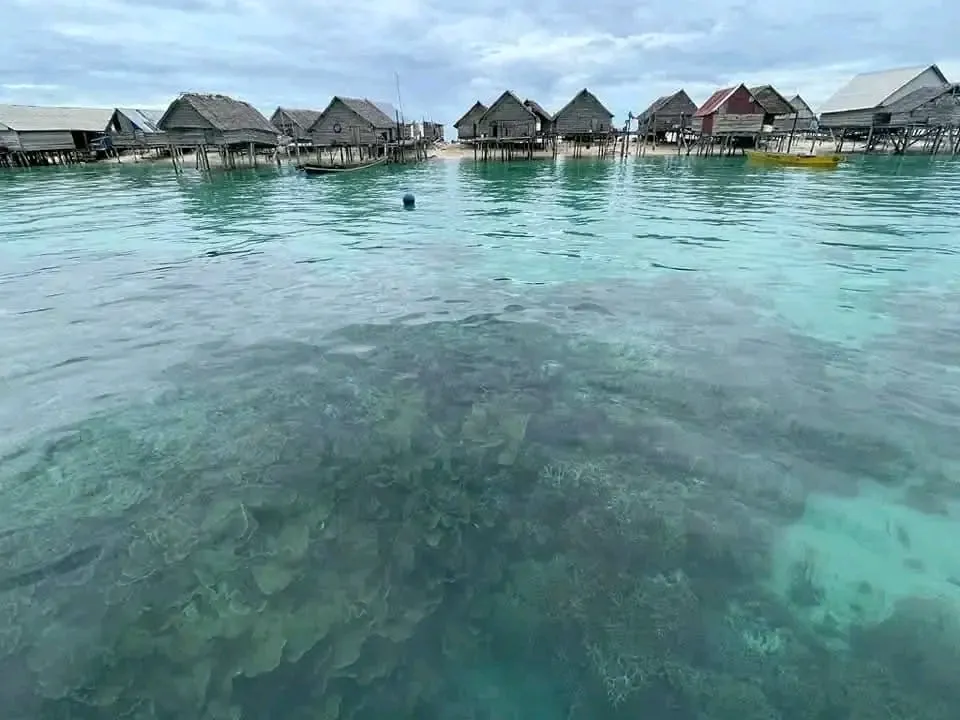
Bajau Tribe Village and Sandbar Bajau Village show why a natural-attractions guide should not present the coast as empty scenery. The sea, shoreline, boats, homes, work, and community identity are connected. Visitors should ask permission before photographs, follow local hosts, and avoid entering private spaces or interrupting daily activities.
Community visits need current coordination. Ask who hosts the group, which areas are open, whether a contribution is expected, and how tide or weather affects access. The landscape becomes more meaningful when residents retain control over how it is visited.
Natural Attractions for Different Travel Styles
A photographer may prefer Napabale Lake, a Moko location, and Meleura because light and surface texture change across water, rock, and coast. A traveler seeking exploration may prefer Angel Cave or Laumehe Cave, subject to physical conditions. A heritage-focused visitor may prioritize Liang Metanduno and Liang Kabori with careful interpretation. Families may need shorter routes, rest points, and clear access information.
There is no single correct Muna nature itinerary. The best route is the one that fits group ability, time, weather tolerance, and interest. Ask for a plain description of each approach before booking rather than relying on a photograph or a general label such as easy or family-friendly.
How to Combine Water, Karst, and Coast
A coherent Muna route can begin with inland water, continue into a guided cave or heritage landscape, and finish on the coast. The sequence gives the group a gradual change from open observation to enclosed exploration and then back to an expansive shoreline. It is a planning framework rather than a guaranteed daily schedule.
The operator should adjust the order according to roads, weather, sea conditions, local access, group stamina, and conservation rules. A route with fewer stops may be more rewarding if each place receives enough time and attention.
Outdoor Safety Across Changing Environments
Natural attractions require different preparation. Lakes may have unclear water edges or local-use areas. Caves may have uneven, damp, or dark surfaces. Karst coastlines can include loose rock, slippery ledges, and changing tide. Beaches may look calm while water movement or heat creates risk. Ask the local guide where to walk, stand, swim, photograph, and rest.
Bring practical shoes, water, sun and rain protection, medication, and spare clothing according to the confirmed route. Never improvise a crossing, climb, cave entry, or water activity because an image makes it look simple.
Research, Images, and Accurate Nature Writing
A verified image can establish that an asset is associated with a named destination, but it cannot prove current facilities, safety, opening times, or activity permissions. Research can support a statement about heritage or beach suitability, but it does not replace a current field assessment. Good travel writing keeps these evidence types separate.
Use the correct image for the exact subject: a lake image for an inland-water section, a cave-art image for heritage, a beach image for the coast, and a village image for community context. Avoid using one scenic photograph as proof that every part of Muna offers the same experience.
Planning Questions Before Booking
Ask which exact attractions are included, how the group travels between them, whether guides and tickets are included, and what facilities are available. Confirm physical demands, weather alternatives, community arrangements, photography rules, and the current condition of roads, trails, shores, and water.
Also compare the article with the commercial package. A natural-attractions guide may describe a full landscape theme while a package includes only selected stops. The booking confirmation should define the final route, duration, group size, price, pickup, accommodation, meals, and inclusions.
Responsible Nature Tourism on Muna
Carry waste away when disposal is uncertain, avoid damaging plants and rock, and never remove shells, stones, cave material, or heritage fragments. At communities, ask before photographs and accept local limits. Use locally coordinated guides and services when appropriate, but clarify the arrangement rather than treating community support as an automatic promise.
Responsible behavior protects both the destination and the quality of future visits. It also keeps the public story honest: Muna is a lived landscape with natural beauty, scientific evidence, changing conditions, and people whose daily lives are part of the place.
Final Perspective on Muna’s Natural Attractions
Muna’s strongest natural attractions are not valuable because they can be ranked in one permanent order. They are valuable because they reveal different relationships between water, limestone, coast, heritage, and community. Napabale and the Moko locations show the inland side of the island. Angel Cave and Laumehe show the physical depth of karst. Liang Metanduno adds ancient evidence, while Meleura and the Bajau villages connect nature with the coast and living culture.
Travelers who choose a route carefully, verify current conditions, protect fragile surfaces, and listen to local guidance can experience Muna with more depth. The best nature journey is the one that leaves the landscape, the evidence, and the host community respected.
Geology as a Way to Understand the Journey
Travelers do not need a geology degree to notice how limestone influences Muna. Rock can hold caves, frame lakes, shape coastal edges, and create surfaces that respond differently to water and weather. Looking at those relationships can make a route feel connected rather than like a sequence of unrelated views. A guide can explain local terms and distinguish a general karst observation from a technical scientific conclusion.
This approach also encourages careful movement. Loose rock, wet surfaces, narrow passages, and exposed edges are part of the environment that creates visual interest, but they can also create risk. Never climb or enter a formation simply because it appears accessible in a photograph. Use designated routes and let local conditions decide how close the group should approach.
Natural Attractions and Heritage Attractions Are Not the Same
Muna’s natural attractions can include places where cultural evidence is present, but the two categories should remain clear. Angel Cave and Laumehe Cave can be described primarily through guided limestone exploration when no specific heritage evidence is being discussed. Liang Metanduno requires heritage-sensitive language because research concerns ancient rock art. A beach or lake can be a natural landscape while also being part of community life.
Keeping the categories clear improves visitor expectations. A nature stop may invite observation and movement, while a heritage stop may require distance, restricted photography, and a specialist explanation. A community stop may require consent and local hosting. One itinerary can combine them, but one behavior rule should not be applied carelessly to all locations.
A Comfortable Route for Families and Mixed Groups
Families and mixed-age groups may enjoy Muna more when the route alternates physical effort with rest. A lake or beach can provide a calmer setting before or after a cave. A heritage site may need a shorter, carefully guided visit rather than a long active walk. Ask about shade, rest points, vehicle access, uneven ground, and the distance from parking or drop-off areas.
The operator should know the group’s ages, mobility needs, and comfort level before finalizing the itinerary. Do not use family-friendly as a universal claim. A route is suitable for a family only when the actual access, facilities, supervision, and conditions match that group’s needs.
Nature Travel for Photographers and Observers
Photography-focused travelers may prefer fewer attractions with more time at each one. Napabale Lake and the Moko locations offer water, reflections, and surrounding landforms. Caves offer controlled light and texture but require strict rules around equipment and surfaces. Meleura provides open coastal space, while community areas require permission and careful framing.
The strongest image is not always the most dramatic one. A correct location name, honest caption, and respect for residents or heritage material make the image more useful. Do not move rocks, plants, boats, or community objects to improve composition. Leave the setting as it was found.
How Conditions Change a Natural Attraction
A natural attraction is not a fixed indoor exhibit. Rain can change a cave approach, wind can affect coastal water, tide can alter a sandbar, and road conditions can change the time needed to reach a lake. This is why current confirmation matters even when the destination name and image are stable. Ask how the operator checks conditions and what alternative is available.
A flexible itinerary should identify priority experiences and acceptable alternatives. If a cave cannot be visited safely, a lake or coastal observation stop may preserve the nature theme without forcing unnecessary risk. If a boat route changes, a community visit may need to be rescheduled rather than compressed into an unsuitable time.
Measuring the Value of a Nature Visit
The value of a natural attraction is not measured only by the number of activities completed. A successful visit may give travelers a clearer understanding of a lake’s connection to the coast, the physical demands of a cave, the evidence preserved at a heritage site, or the way a community uses water. This broader measure helps prevent rushed tourism and supports a more thoughtful route.
For Laode Traphel, visitor feedback can improve future descriptions. Record which routes were practical, which facilities were available, how long transfers took, and which local rules changed. Date those notes and separate direct observation from research interpretation. This process keeps the article current and helps future travelers make decisions based on evidence rather than old assumptions.
Local Guides Complete the Natural-Attractions Experience
A local guide can connect the visible landscape with information that a photograph cannot provide. The guide may know the safest approach, the current condition of a road or shoreline, the meaning of a local name, and the appropriate distance from a community or heritage surface. This knowledge helps travelers move with confidence while leaving room for conditions that change from day to day.
For readers, the practical lesson is simple: use the article to understand the choices, then confirm the real route with the operator. A nature experience becomes stronger when the group is prepared, the image matches the destination, the research claim is precise, and local guidance remains central. This balance creates a safer, more respectful, and more memorable journey for everyone involved today.
Frequently Asked Questions
What natural attractions are listed across Muna Island?
The project identifies lakes, caves, karst coast, Meleura Beach, and coastal community destinations including Napabale Lake, Moko Lake, Moko Panjang, Moko 2, Angel Cave, Laumehe Cave, and Liang Metanduno.
Can Muna natural attractions be visited in one day?
The destinations should not be forced into one day without checking transfer times, road conditions, physical demands, weather, and local coordination.
Which Muna attraction is best for photography?
Napabale Lake, the Moko locations, caves, and Meleura each offer different visual subjects. The best choice depends on light, access, and the photographer’s interests.
Are Muna natural attractions safe for everyone?
Not automatically. Confirm walking surfaces, water conditions, cave access, tide, weather, and guide support before booking.
How can visitors travel responsibly?
Avoid touching heritage surfaces, do not remove natural material, carry waste away, ask permission before photographing communities, and follow local guidance.
Plan your journey with Laode Traphel.
You May Also Like
10 Amazing Places to Explore in Wakatobi for an Unforgettable Journey
Wakatobi
Kaledupa Island Travel Guide for Exploring Nature and Local Island Life
Kaledupa, Wakatobi
.webp)
The Best Snorkeling Destinations to Explore in Wakatobi
Wakatobi
The Best Time to Visit Wakatobi for Diving Snorkeling and Island Travel
Wakatobi
The Best Time to Visit Muna Island for Nature Culture and Adventure
Muna
.webp)
How to Plan the Perfect Muna Island Trip for Nature and Culture
Muna