
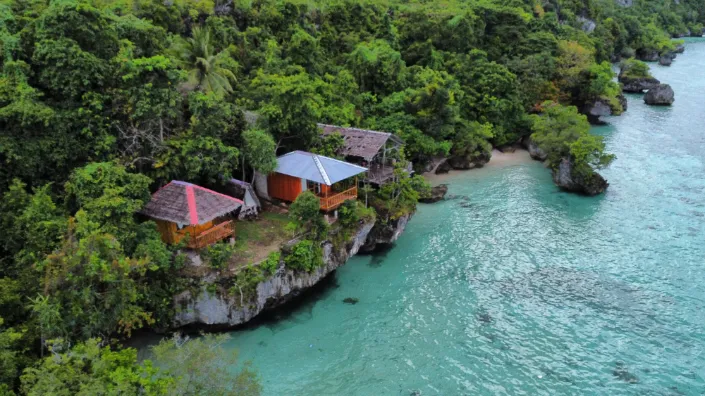
Choosing the Best Wakatobi Islands for Your Travel Experience
Compare Wangi-Wangi, Kaledupa, Tomia, Binongko, and Hoga by travel style, marine focus, culture, and route effort.
Choose a Wakatobi island by matching the experience, pace, transport, accommodation, and activities to your group.
The best Wakatobi island depends on the journey a traveler wants to have. Wangi-Wangi can make arrival and route organization easier, Kaledupa can suit a slower island rhythm, Tomia can combine island scenery with marine exploration, Binongko can broaden the archipelago perspective, and Hoga can support a focused marine stay. These roles are useful starting points, not permanent rankings.
This comparison helps travelers ask better questions before booking. Boat schedules, sea conditions, visibility, accommodation, access, and local hosting can change, so the final island choice should always be checked for the selected date and group.
Choose Your Travel Priority First
Start by naming the main purpose of the trip: diving, snorkeling, beaches, island scenery, local culture, photography, or a slower pace. Families and mixed-interest groups should also identify rest needs and activities for non-divers. An island becomes a good choice when it matches those priorities rather than simply looking attractive in a photograph.
After choosing the priority, compare transfer effort, accommodation, available services, and weather dependence. This makes the discussion with a local operator specific and prevents a destination name from becoming an unrealistic promise.
Wangi-Wangi for Arrival and Organization
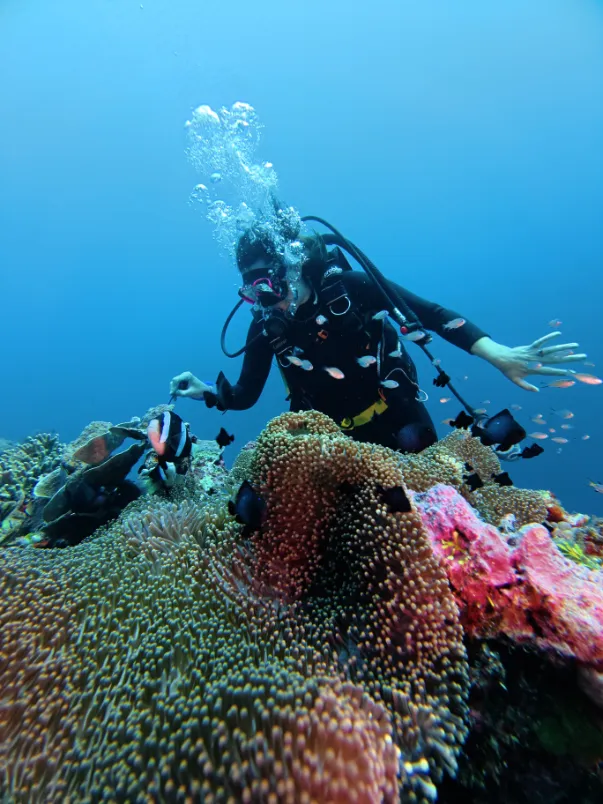
Wangi-Wangi can be a practical choice for travelers who want an arrival base with local services, accommodation, supplies, and help coordinating the next connection. It may suit first-time visitors who prefer to begin with a clear route structure before moving farther into the archipelago.
Choose Wangi-Wangi when logistics are central to the experience. Confirm the arrival point, pickup, boat connections, luggage handling, and weather buffer rather than assuming that every island connection operates daily.
Kaledupa for a Slower Island Rhythm
Kaledupa may appeal to travelers who want coastal scenery with more room for local-life context and unhurried movement. It can work well for visitors who prefer observation, community-based experiences, and a route that does not feel like a succession of quick transfers.
Ask which villages, beaches, marine sites, and community activities are open on the chosen date. A slower island experience still needs careful planning around boats, lodging, meals, and return connections.
Tomia for Island and Marine Exploration
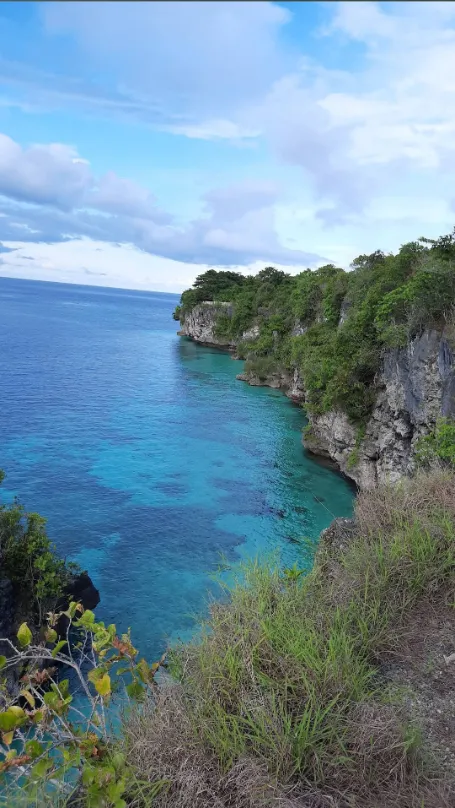
Tomia is a strong candidate for travelers who want beaches, island landscapes, and a focused marine experience in one route. It may suit divers, snorkelers, and photographers, but the actual activity depends on visibility, current, equipment, guide support, and the group’s ability.
Choose Tomia when the group is comfortable planning around sea conditions and allowing enough time for the island connection. Confirm land-based alternatives for non-divers before booking a marine-centered day.
Binongko for a Broader Archipelago Perspective
Binongko can suit travelers who want to understand Wakatobi beyond its most frequently photographed marine stops. The island adds a wider sense of archipelago diversity and may reward visitors who are willing to plan more carefully and stay longer.
Confirm boat frequency, accommodation, land transport, cultural access, and the realistic number of days needed. Binongko should not be added as a rushed final checkbox if the transfer leaves no time to experience the island.
Hoga for a Marine-Focused Stay
Hoga is a natural consideration for travelers seeking a stronger marine focus. Diving, snorkeling, reef observation, and beach time may shape the stay, subject to current accommodation, boat, weather, and conservation arrangements.
Ask about equipment, guide supervision, currents, visibility, and options for non-divers. A marine-focused island still needs rest and a clear alternative when conditions make the water unsuitable.
Compare Transport Before Scenery
Two islands may look equally appealing but require very different travel effort. Compare departure points, boat duration, loading procedures, luggage handling, accommodation changes, and the effect of delays on the rest of the itinerary.
A longer transfer can be worthwhile for a focused experience, but it should be included honestly in the plan. Leave a buffer around the final connection and avoid putting a demanding water activity immediately after a difficult transfer.
Ask whether the route includes waiting, loading, and unloading time, not only the movement shown on a map. Travelers carrying cameras, medication, or marine equipment need a clear plan for keeping those items dry and accessible.
The final connection deserves special attention. A route that ends on a remote island may need an earlier return or an additional buffer before onward travel. Local operators should confirm the practical sequence for the selected date.
Transport is part of the island choice because it determines how much attention remains for the destination. A slightly slower route can be better when it protects rest, safety, and time with local hosts.
This is why an island comparison should discuss movement as part of the experience, not hide it behind a destination name.
Choose by Group Profile
Families may need shorter transfers, rest, meals, and land-based alternatives. Divers should disclose certification and experience. Snorkelers should ask about currents, flotation, guide supervision, and sheltered sites. Photographers may prefer fewer stops with more time, while culture-focused travelers may prioritize community hosting and heritage interpretation.
Tell the operator about children, older travelers, mobility needs, allergies, and medical requirements. The right island is partly determined by what the group can enjoy comfortably and responsibly.
Ask the least confident traveler what would make the day comfortable. This may mean a sheltered entry, a shorter boat ride, a shaded rest period, or a clear land alternative. Planning around that need can improve the experience for everyone.
A group profile should include the ability to adapt. Some travelers can accept a change from reef to village or from boat to land, while others need a firm return connection. State those limits before the route is selected.
The island comparison becomes more useful when it describes fit rather than rank. Wangi-Wangi, Kaledupa, Tomia, Binongko, and Hoga can each be appropriate for different groups, subject to current local confirmation.
The right island is the one the whole group can enjoy without asking the sea, hosts, or guides to exceed their limits.
This practical fit matters more than a permanent ranking or a promise based only on imagery.
Questions Before Booking
Ask where the group sleeps, how many boat transfers are required, which activities are confirmed, what is included, and what happens when weather or visibility changes. Confirm conservation fees, guides, equipment, meals, and the substitution policy.
A clear answer should distinguish guaranteed services from activities that depend on sea conditions, local permission, or community availability. That distinction protects the traveler and keeps the island comparison accurate.
Ask how the route supports travelers who do not dive or snorkel, how luggage is moved, and where the group waits during a delayed connection. Also confirm whether the quoted route is a regular service or a locally arranged departure.
The final island decision should record a preferred activity, a realistic alternative, and the main condition that could change the plan. This gives the operator useful information and keeps the public comparison from becoming a guarantee.
A careful booking conversation should include the conservation context as well. Ask how boats approach reefs, which visitor rules apply, and how the group should handle waste and photography around communities.
Final Perspective on the Best Wakatobi Island
There is no single best Wakatobi island for everyone. Wangi-Wangi can organize a journey, Kaledupa can slow it down, Tomia can focus it on island and marine exploration, Binongko can broaden the archipelago story, and Hoga can support a marine-centered stay.
Choose the island that matches the group’s purpose, pace, budget, and responsibility. A smaller route with enough time and local guidance is often more valuable than a rushed attempt to collect every island name.
The final decision should remain open to a local update. A confirmed route can still change order because of wind, tide, visibility, boat capacity, or a community schedule. Good planning protects the experience by making that flexibility explicit.
A traveler leaves with more than a destination label when the choice is made carefully. The island becomes part of a story about reefs, people, transport, and responsible use of place, rather than a ranking that ignores how the journey actually works.
Write down why the island was chosen and what would make the group change course. This simple decision rule helps travelers respond calmly when a guide recommends another site or a host needs to adjust the visit.
A smaller route can also support better local relationships. More time in one place gives travelers a chance to use local services, understand boundaries, and avoid treating every stop as disposable scenery.
Compare the proposed island with the group’s practical limits: how long travelers can sit in a boat, how much walking is comfortable, whether anyone needs regular medication, and whether the group can accept a weather-related substitution. These are not minor details; they determine whether the island can be enjoyed responsibly.
The comparison is strongest when it remains conditional. Wakatobi National Park context explains the importance of protecting marine systems, while project data identifies destination roles; current access and services still need confirmation from local operators.
A final choice should leave room for curiosity. The group may discover that a quiet land route, a conversation with a host, or time watching the coast is more valuable than adding another named reef. That is not a failure to follow the plan; it is a better match between the traveler and the island.
A practical comparison should also ask what the island needs from the visitor. Marine sites need careful buoyancy and no wildlife disturbance, villages need consent and space, and remote routes need patience with supplies and timing. The answer may change which island is appropriate for the group.
Do not confuse a broad destination role with a fixed product. “Marine-focused†does not guarantee a specific reef, and “slower island rhythm†does not guarantee a particular village activity. Ask the operator to translate the description into an actual route for the chosen date.
The final island choice should be comfortable to explain to every member of the group. When travelers understand the reason, the main activity, the likely limitation, and the backup, they can adapt without feeling that a change has ruined the trip.
This is especially important in a protected marine destination. A responsible choice values the health of the reef and the authority of local hosts as part of the travel experience, not as restrictions added after the booking.
The decision can be reviewed at three moments: while researching, after the operator checks the route, and immediately before departure. At each point, ask whether the island still matches time, ability, weather, and the group’s main purpose.
A good comparison also respects travelers who want less activity. An island can be the right choice because it offers a manageable base, meaningful observation, and a realistic alternative, not because it contains the greatest number of excursions.
When those criteria are clear, island selection becomes a responsible planning tool. It helps travelers enjoy Wakatobi’s differences while leaving the final operational judgment with the people who know the current sea, route, and community arrangements.
Frequently Asked Questions
Which Wakatobi island is best for first-time visitors?
Wangi-Wangi may suit travelers who prioritize arrival and route organization, while Tomia, Kaledupa, Binongko, or Hoga may suit more specific island and marine interests.
Which island is best for diving?
Tomia and Hoga may suit marine-focused travelers, but the correct choice depends on current conditions, skill, visibility, equipment, and operator support.
Which island is best for non-divers?
Wangi-Wangi, Kaledupa, or a route with cultural and land activities may suit non-divers. Confirm the available alternatives before booking.
How should I compare Wakatobi islands?
Compare marine focus, culture, transport, accommodation, pace, group needs, weather dependence, and the current package inclusions.
Plan your journey with Laode Traphel.
You May Also Like
A Complete Wakatobi Travel Guide for Exploring Islands Reefs and Culture
Wakatobi
5 Beautiful Islands to Explore During Your Wakatobi Adventure
Wakatobi
.webp)
Wangi Wangi Island Travel Guide for Starting Your Wakatobi Adventure
Wangi-Wangi, Wakatobi
.webp)
Tomia Island Travel Guide for Exploring Beaches Reefs and Island Life
Tomia, Wakatobi
The Best Beaches and Coastal Destinations to Visit in Wakatobi
Wakatobi
How to Plan a Multi Island Journey Across Wakatobi
Wakatobi