
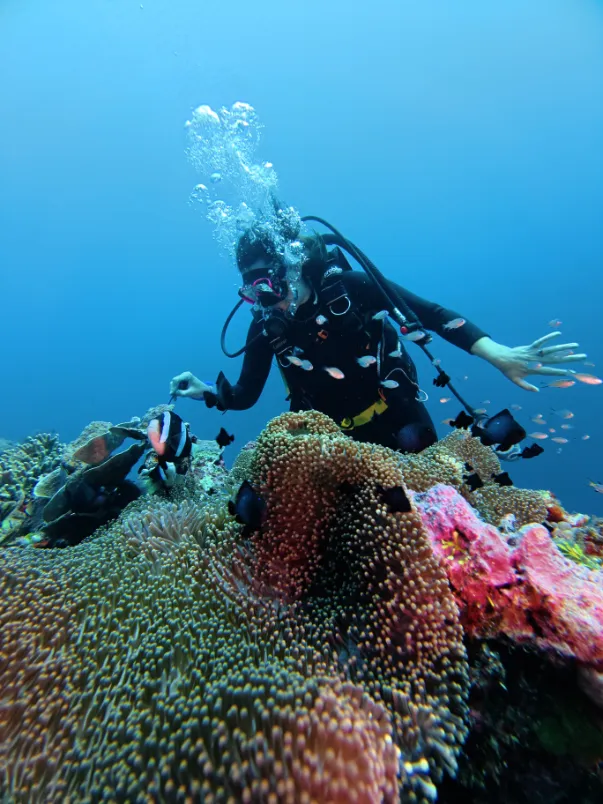
A Complete Wakatobi Travel Guide for Exploring Islands Reefs and Culture
A route-building guide for combining Wakatobi islands, marine sites, cultural places, and realistic travel buffers.
Build a Wakatobi journey around island sequence, reef activities, cultural context, transport planning, and responsible travel.
Wakatobi is easiest to plan when it is treated as an archipelago rather than a single beach destination. Wangi-Wangi, Kaledupa, Tomia, Binongko, and Hoga each contribute a different combination of arrival logistics, island scenery, marine access, local culture, and travel pace. Around them are reefs, beaches, inland water, heritage places, and specialist dive sites that cannot all be understood through the same kind of itinerary.
This guide gives travelers a framework for building a coherent Wakatobi journey. It separates what can be explained from the project destination data from what must be checked locally, including boat schedules, visibility, accommodation, guide support, conservation fees, and weather alternatives.
Start with the Experience You Want
Choose a primary purpose before choosing a sequence of islands. A marine-focused traveler may prioritize diving or snorkeling, while another group may want beaches, village life, heritage, photography, or a slower island rhythm. Families and mixed-interest groups need rest and land-based alternatives built into the route.
This first decision prevents an itinerary from collecting famous names without matching the group. Tell the operator about swimming ability, diving certification, mobility, children, dietary needs, and the preferred pace before asking for a final program.
A useful travel brief should describe the experience in practical terms. For example, a group may want two calm snorkeling sessions, one cultural visit, and time for unstructured island observation rather than a long list of named stops. This helps an operator judge boat movement, guide support, rest, and the likely effect of changing sea conditions.
The brief should also distinguish a wish from a requirement. A reef may be a preferred site, while safe water entry and a suitable alternative are requirements. That distinction gives the local team room to make a responsible decision without losing the purpose of the journey.
Wangi-Wangi as a Route Base
Wangi-Wangi can be a practical starting point for travelers who need to organize arrival, accommodation, supplies, and the first sea connection. It can also provide a useful orientation before the group commits to longer island transfers.
Confirm the actual arrival point, pickup, lodging, boat departure, luggage handling, and weather buffer. A base island is valuable when it makes the rest of the journey realistic, not merely because it appears first on a map.
Use the first base period to check the route against the group rather than simply waiting for the next boat. Review equipment, confirm who is guiding each activity, identify where drinking water and meals are arranged, and make sure personal medication remains accessible during transfers.
A route base can also reduce avoidable pressure on smaller islands. Collecting supplies and clarifying payment or luggage arrangements before departure may prevent the group from expecting remote communities to provide services that were never confirmed.
Choosing Between Kaledupa, Tomia, Binongko, and Hoga
Kaledupa may suit travelers who want island scenery and community context at a slower pace. Tomia can fit a route combining island landscapes with focused marine exploration. Binongko broadens the archipelago story for visitors willing to plan additional connections, while Hoga is a natural consideration for a marine-centered stay.
These are planning tendencies, not permanent rankings. Ask which island the group sleeps on, how many transfers are needed, whether accommodation and meals are available, and what happens if sea conditions change.
Compare the islands by the kind of day they can support, not only by their names. A marine-centered stay may need an early departure, equipment storage, surface rest, and a plan for non-divers. A culture-focused route may need smaller groups, a local interpreter, and more time at one place.
The operator should explain whether the proposed sequence is based on a regular connection or a departure arranged for the group. Do not infer frequency from a map or from an old travel post. Current confirmation is especially important when several islands are linked in one booking.
Build the Marine Portion Around Conditions
Reefs and dive sites should be selected by current visibility, tide, wind, current, skill level, equipment, and guide support. A site name alone does not establish that it is suitable for every diver or snorkeler. Ask for a briefing and disclose experience honestly.
Responsible marine travel means maintaining buoyancy, avoiding coral contact, not feeding or chasing wildlife, and following local rules about mooring, anchoring, and protected areas. A weather alternative should be agreed before departure.
The protected-area context matters because the reef is both a travel experience and a living ecosystem. Boat crews and visitors should use the permitted approach, follow mooring or anchoring instructions, and avoid creating extra contact with coral. The local guide can explain restrictions that are not visible from the surface.
Plan recovery as carefully as the activity. Sun exposure, dehydration, boat motion, and repeated water entries can affect concentration. A comfortable itinerary gives the group time to dry equipment, eat, rest, and listen to the next briefing instead of treating every available hour as another marine session.
Add Culture Without Turning Communities into Scenery
Liya Togo and island villages can give a Wakatobi route historical and cultural depth alongside its marine experiences. Visitors should ask who provides interpretation, which spaces are open, and whether photography or contributions follow local rules.
A community visit works best when it allows listening and respectful conversation. Do not interrupt work, enter private areas, or assume that a village can be added as a quick photo stop without local coordination.
Cultural interpretation should be specific about its source. A guide may share local knowledge, a heritage explanation, or a personal account, and those forms of knowledge should not be presented as interchangeable with an academic claim. Ask questions with respect and avoid pressuring a host to simplify a complex history for a photograph.
Small choices shape the visit: dress appropriately for the setting, keep voices low near homes or work areas, ask before recording, and follow any request about where visitors may stand. These practices make the route more comfortable for residents and more meaningful for travelers.
A Practical Route Structure
A short trip can use one arrival base with one carefully chosen marine or cultural focus. A longer journey may connect an arrival island, a marine-centered island, and a community or heritage stop, with rest between transfers. Protect the most important experience before adding optional destinations.
Every additional island adds boat timing, luggage movement, accommodation changes, and weather dependence. Ask for realistic transfer time rather than treating an archipelago route as a list of nearby neighborhoods.
One practical method is to assign each day a primary purpose and a low-pressure secondary option. A reef day can include beach recovery or island observation, while a transfer day can include a simple cultural conversation if the host confirms it. This keeps the plan useful when the sea changes without pretending that every alternative is equal.
Protect the final connection with more time than the minimum shown in a schedule. A delayed boat can affect meals, accommodation check-in, and onward travel. A local operator can advise which buffer is sensible for the selected route, but the public article should not convert that advice into a fixed timetable.
Packing for Islands, Boats, and Reefs
Pack sun protection, drinking water, personal medication, dry clothing, practical footwear, and any required personal snorkeling or diving equipment. Confirm what the operator supplies and whether equipment sizes are available before assuming it will be provided.
Keep documents, valuables, and electronics protected from spray. Remote routes may have limited supplies and payment options, so confirm meals, water, fuel, connectivity, and emergency arrangements early.
Pack for the confirmed route rather than an imagined resort service. Keep essential medication and documents with you, and ask the operator what must remain accessible during a transfer.
A small amount of preparation can reduce pressure on island facilities and make the group more comfortable when weather or boat timing changes.
What to Confirm Before Booking
Request the exact island sequence, boat schedule, accommodation, meals, guide, equipment, entrance or conservation fees, pickup details, and cancellation policy. Ask which marine sites are confirmed and which depend on visibility, currents, local permission, or weather.
Also ask what substitution is offered when a boat is delayed or a reef is unsafe. A flexible plan is useful only when the alternative still matches the group’s needs and has been coordinated with local hosts.
Ask the operator to separate included services from recommendations. A destination may be described in the article because it is relevant to the region, while the package may use a different site or provide only transport nearby. Written clarification prevents a broad guide from becoming an accidental promise.
For marine activities, confirm the guide’s role, emergency communication, equipment responsibility, and the point at which the group can decline an activity. Travelers should know that a professional decision to change the plan takes priority over a prewritten list of attractions.
Final Perspective on Wakatobi
A complete Wakatobi journey is not defined by the number of islands visited. It is defined by how well the route connects marine environments, island landscapes, culture, local services, and the group’s real capacity. Wangi-Wangi can organize a start, Kaledupa and Binongko can broaden island context, Tomia and Hoga can support marine focus, and cultural places can give the route meaning beyond scenery.
Plan with accurate questions, leave room for sea conditions, and make reef and community protection part of the itinerary itself.
The strongest route is often the one that makes its limits visible. It identifies which experiences depend on a guide, which connections depend on the sea, and which cultural encounters depend on consent. That honesty does not reduce the destination; it gives travelers a more credible way to appreciate its diversity.
When the journey is over, the group should be able to explain not only where it went but why the order made sense. It should remember the people who enabled the route, the conditions that shaped the day, and the conservation choices that kept the islands and reefs from being treated as disposable scenery.
A complete guide should also help travelers compare evidence types. Project destination data can identify an island or image, conservation information can explain why reef behavior matters, and a local operator must confirm the practical route. None of these sources should be stretched to prove a schedule, fee, facility, or guaranteed sighting.
Build the journey around transitions. Arrival requires orientation, a marine day requires skill and recovery, a community visit requires consent, and an island transfer requires time for luggage and weather. Treating these transitions as part of the itinerary makes the route more comfortable and more honest.
For a mixed group, agree on shared experiences before booking optional activities. A diver may spend time offshore while another traveler visits a village or rests on land, but the meeting place, supervision, and return time should be known in advance.
Responsible travel is not a final paragraph added after the attractions. It appears in the choice of boat, the handling of waste, the distance kept from coral, the way photographs are requested, and the willingness to accept a local change of plan.
The route can be ambitious without being crowded. A smaller number of confirmed experiences often gives travelers more time to understand Wakatobi’s islands, reefs, and communities than a schedule that treats every name as a compulsory stop.
Frequently Asked Questions
How many days are needed for a Wakatobi trip?
The right duration depends on the islands, marine activities, and transfer time. A short trip should focus on one base and a few confirmed experiences, while a multi-island journey needs additional buffers.
Which Wakatobi island should I visit first?
Wangi-Wangi may suit travelers who prioritize arrival and route organization, but the best starting point depends on the confirmed transport and the experience the group wants.
Can non-divers enjoy Wakatobi?
Yes. Beaches, island landscapes, cultural places, boat journeys, photography, and suitable snorkeling can complement a diving itinerary. Confirm meaningful alternatives with the operator.
What should I confirm before booking?
Confirm island sequence, boats, accommodation, meals, equipment, guides, fees, weather alternatives, site access, and which activities are guaranteed or condition-dependent.
Plan your journey with Laode Traphel.
You May Also Like
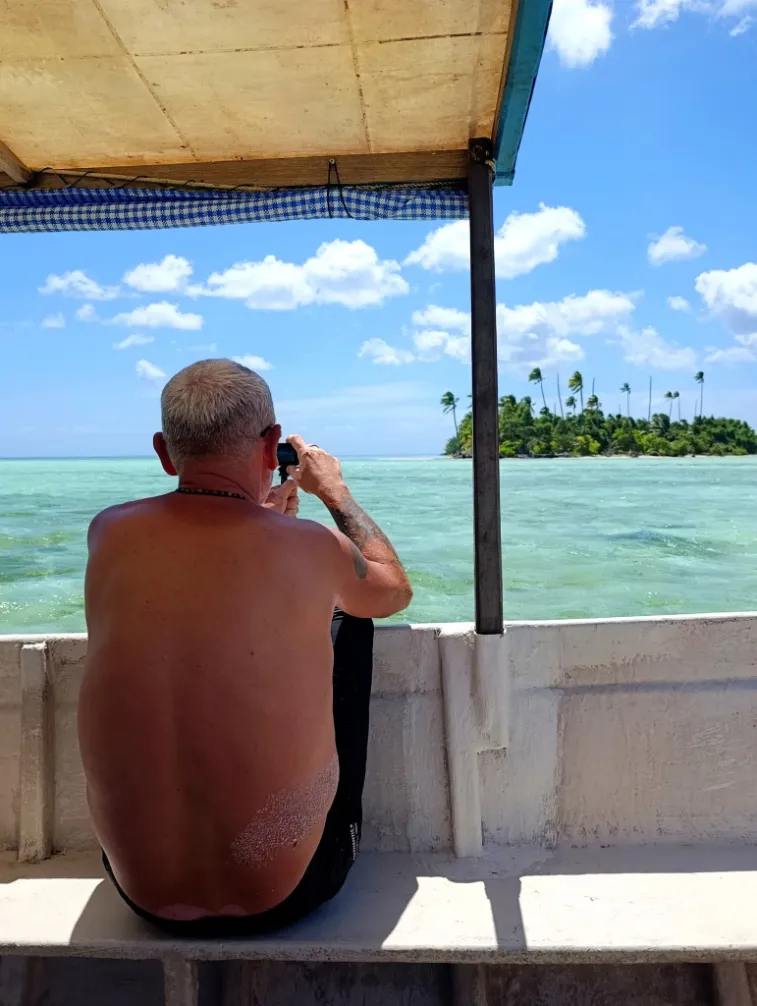
5 Beautiful Islands to Explore During Your Wakatobi Adventure
Wakatobi
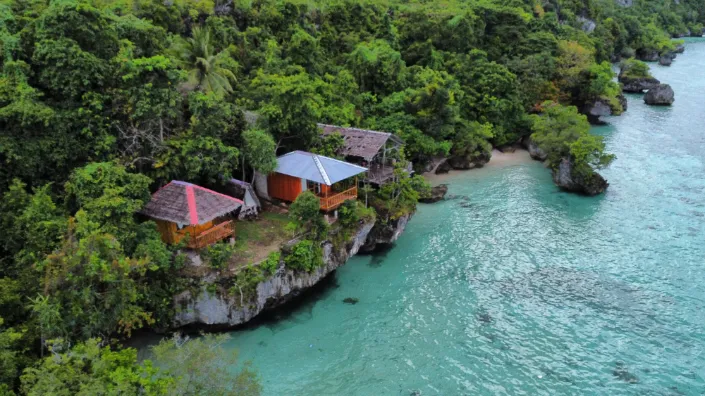
Choosing the Best Wakatobi Islands for Your Travel Experience
Wakatobi
.webp)
Wangi Wangi Island Travel Guide for Starting Your Wakatobi Adventure
Wangi-Wangi, Wakatobi
.webp)
Tomia Island Travel Guide for Exploring Beaches Reefs and Island Life
Tomia, Wakatobi
The Best Beaches and Coastal Destinations to Visit in Wakatobi
Wakatobi
How to Plan a Multi Island Journey Across Wakatobi
Wakatobi