
.webp)
Wangi Wangi Island Travel Guide for Starting Your Wakatobi Adventure
A practical starting guide to arranging arrival, island connections, marine activities, culture, and a comfortable first route in Wakatobi.
Use Wangi-Wangi as a thoughtful starting point for Wakatobi by planning arrival logistics, services, island connections, and flexible activities.
Wangi-Wangi can be a useful first chapter in a Wakatobi journey because it helps travelers organize the move from arrival to island exploration. The island is not only a place to pass through before reaching a reef. It can provide a base for understanding the archipelago, confirming local arrangements, checking supplies, and choosing how much marine or cultural activity the group can realistically include.
This guide focuses on Wangi-Wangi as a starting point rather than promising a fixed itinerary. Current transport, accommodation, boat schedules, site access, weather, and activity availability must be confirmed with a local operator before departure.
Why Start a Wakatobi Journey on Wangi-Wangi?
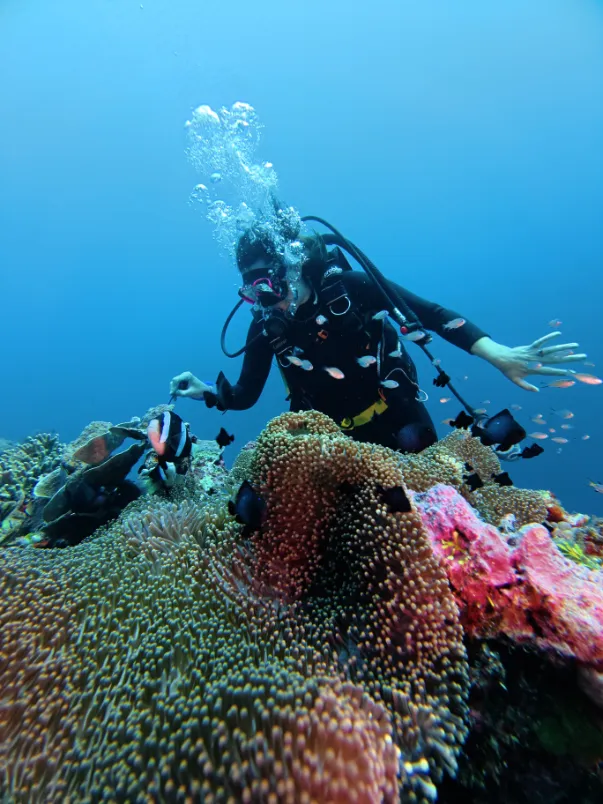
Starting on Wangi-Wangi can give a group time to settle into island travel, arrange local transport, and confirm the next sea connection. This is especially useful for first-time visitors who need a clear answer about pickup, accommodation, meals, equipment, and the sequence of islands.
A starting island should be judged by how well it makes the journey work. Do not assume that the first island is automatically the best marine site for every traveler. Use it to clarify the experience the group wants and the conditions the route can support.
The opening period is also a chance to align the group’s expectations. Review swimming ability, diving experience, clothing, medication, dietary needs, and the amount of movement everyone can manage. A local coordinator can then suggest a route that does not make the least confident traveler feel left behind.
Wangi-Wangi is most useful when it provides clarity. Confirm the next departure, the luggage plan, and the weather alternative before the group becomes dependent on a tight connection.
Arrival Planning and the First Evening
Before arrival, confirm where the group is met, how luggage is handled, where it sleeps, and whether the first meal or transfer is included. Allow time for delays, orientation, and a proper briefing instead of scheduling a demanding marine activity immediately after a long journey.
The first evening is useful for checking weather, boat timing, equipment, clothing, payment methods, and the next day’s meeting point. A short operational conversation can prevent confusion across the rest of the archipelago route.
Ask whether the accommodation can support an early departure, where drinking water is obtained, and how personal medication or electronics are protected. These are ordinary details, but they become important when the next day includes a boat and the group has no easy chance to replace supplies.
Keep the first evening flexible enough for the operator to explain any change. A calm orientation is more valuable than a rushed first attraction, especially when travelers are adjusting to boat movement and an unfamiliar island schedule.
Use Wangi-Wangi to Organize Island Connections
A Wakatobi itinerary may connect Wangi-Wangi with Kaledupa, Tomia, Binongko, Hoga, or specific marine and cultural sites. The practical details matter: departure point, loading time, boat capacity, luggage, sea state, return schedule, and what happens when the connection is delayed.
Keep buffers between arrival and departure. Ask whether the group changes accommodation, where it can rest while waiting, and whether the operator has a weather alternative. An archipelago route becomes easier when each connection is treated as part of the experience rather than an invisible gap.
Map the human tasks inside the transfer. Someone must identify the boat, protect the bags, confirm the destination, and tell the group where to wait after landing. Clarifying those responsibilities reduces confusion when several boats or operators use the same coastal area.
Do not assume that a connection described as short will feel short for a group with children, equipment, or heavy luggage. Ask for the practical sequence and leave time for loading, unloading, and orientation at the next island.
Choosing a Marine Activity from Wangi-Wangi
Wangi-Wangi can be a base for snorkeling, diving, reef observation, or boat-based exploration when the operator confirms a suitable site and current conditions. A site name does not prove that the water is safe or appropriate for every skill level.
Disclose swimming ability and diving certification. Ask about visibility, currents, equipment, guide support, conservation rules, and the plan for non-divers. If the sea is unsuitable, a land-based island route should be ready rather than improvised at the last minute.
A marine briefing should cover entry and exit, boat position, group boundaries, communication, and what to do if a traveler becomes tired. These details matter even for a short session because open water conditions can change while the group is already away from shore.
The guide’s local assessment should override a fixed site wish. Choosing a sheltered or less ambitious activity can give beginners a better view of the reef and reduce the risk of contact, panic, or separation from the group.
Culture and Local Life Around the Starting Route
A first Wakatobi route can include cultural or community experiences alongside marine travel. Ask who provides interpretation, which places are open, and whether photography or contributions follow local rules. Visitors should approach villages, homes, boats, and work areas as guests.
Cultural context is strongest when the group has time to listen. Do not treat a community as a quick photo stop or assume that a cultural activity operates every day. Local consent and current coordination are part of the itinerary.
The starting route can set expectations for the rest of the trip. Ask whether a local host wants photographs shared, whether visitors should dress in a particular way, and where the group may stand without blocking daily work. These questions show respect before the itinerary becomes busier.
Use careful language when describing what travelers may see. A village is a living place, not a guaranteed display, and one conversation should not be generalized to every resident or every departure.
Accommodation, Meals, and Island Supplies
Confirm room type, water, electricity, connectivity, meals, drinking water, and distance to the next departure point. Ask whether special diets, medication storage, or other personal needs can be supported.
Island supplies may not be as predictable as city services. Bring personal essentials and confirm payment options, fuel, equipment, and the availability of food between transfers. Practical preparation improves comfort and reduces pressure on local facilities.
Ask how meals are timed around the boat route and whether the group should carry food during a transfer. Do not publish an assumed facility or service as a certainty when the project data does not verify its current condition.
A clear supply plan also reduces waste. Carry a reusable bottle where appropriate, use agreed disposal points, and avoid asking a remote host to provide last-minute items that could have been prepared before the crossing.
A Comfortable First Wangi-Wangi Itinerary
A first route can begin with arrival and orientation, continue with one carefully chosen land, cultural, or marine experience, and then move to another island only after the connection is confirmed. Protect rest and avoid scheduling every hour with a new attraction.
Families may need shorter transfers and more recovery time. Divers may want an equipment and condition briefing first. Photographers may prefer a slower island route. The itinerary should reflect the group rather than use one schedule for every visitor.
A useful first day has a clear center and a generous edge. The center might be an orientation walk, a confirmed cultural stop, or a suitable marine activity; the edge is time for meals, weather changes, and the group to recover. This structure helps travelers notice the island instead of measuring the day only by completed stops.
Before moving onward, ask what the group learned from the first day. If the boat route, heat, or activity level was more demanding than expected, the next island should be planned with that information rather than with the original ambition alone.
What to Pack for a Wakatobi Starting Point
Bring sun protection, rain protection, drinking water, personal medication, practical footwear, dry clothing, and a secure bag for electronics. Confirm whether snorkeling or diving equipment is included and whether the operator has suitable sizes.
Keep important documents and valuables protected during boat movement. Ask what personal items are difficult to replace on the island and prepare them before leaving home.
Responsible Travel from the First Day
Responsible travel begins on Wangi-Wangi. Reduce disposable waste, use agreed local services, ask before photographing people or private spaces, and follow instructions about boats, reefs, villages, and cultural sites.
Do not touch coral, feed wildlife, collect marine life, or treat local communities as scenery. A respectful start sets the tone for every island that follows and helps protect the destination beyond one visit.
Questions to Confirm Before Leaving Wangi-Wangi
Confirm the next island, departure time, boat, luggage plan, weather alternative, accommodation, meals, guide, equipment, fees, and return connection. Ask which activity is guaranteed and which depends on sea conditions or local permission.
The best starting point is the one that makes these answers clear. Once the group knows the operational plan, it can enjoy Wakatobi with less rushing and more attention to the islands, reefs, and communities along the way.
Write down the name of the contact person and the agreed meeting place. Confirm whether the group should carry valuables, documents, medication, or wet equipment personally. Small records are valuable when a route involves several handovers.
Also ask what the operator considers a successful alternative. It may be a different marine site, a land route, or a delayed activity, but the answer should match the group’s needs and be coordinated with the next host.
Final Perspective on Starting in Wangi-Wangi
Wangi-Wangi is valuable as a starting island because it connects arrival with decision-making. It gives travelers a place to organize the route, understand the group’s needs, and prepare for the different conditions of island and marine travel.
Begin with realistic logistics, then allow the journey to open toward Kaledupa, Tomia, Binongko, Hoga, or another confirmed experience. A well-prepared start creates more room for meaningful travel across Wakatobi.
The starting island does not need to promise every kind of Wakatobi experience. Its role can be more practical and more valuable: helping travelers arrive prepared, ask accurate questions, and make a responsible decision about what comes next.
A good beginning also leaves room for the destination to correct the plan. Local knowledge, weather, and community capacity may change the order, and that is part of traveling through an archipelago rather than through a fixed indoor attraction.
Use Wangi-Wangi to make the invisible parts of the journey visible. Confirm who handles luggage, where the boat departs, how meals are arranged, and how the group is contacted if the sea changes. These questions protect the first day and every connection after it.
The first base can also be a place to reset expectations. Travelers may arrive with images of calm water and immediate access, but the guide should explain the actual route, skill requirements, and conservation rules before anyone enters a reef area.
For non-divers, ask for a plan that has value in its own right. A land route, cultural explanation, beach observation, or time with local services should not be described as merely waiting for the divers to return.
A careful start supports local capacity. When travelers arrive with the right clothing, payment method, supplies, and expectations, guides and hosts spend less time solving avoidable problems and more time providing interpretation.
The journey from Wangi-Wangi is therefore both logistical and educational. It teaches travelers how Wakatobi works as an archipelago, where routes depend on people, boats, sea conditions, and a shared duty to protect the places being visited.
Frequently Asked Questions
Why start a Wakatobi trip on Wangi-Wangi?
Wangi-Wangi may suit travelers who need arrival organization, local services, supplies, accommodation, and help coordinating connections to other islands or marine sites.
Can I dive or snorkel from Wangi-Wangi?
Marine activities may be available through local operators, but site suitability, equipment, visibility, currents, guides, and weather must be confirmed for the date.
What should I confirm on arrival?
Confirm the next boat, departure point, luggage handling, accommodation, meals, equipment, fees, weather alternative, and return connection.
Is Wangi-Wangi suitable for non-divers?
It can be, especially when the route includes island scenery, cultural places, photography, boat observation, or other land-based activities.
Plan your journey with Laode Traphel.
You May Also Like
A Complete Wakatobi Travel Guide for Exploring Islands Reefs and Culture
Wakatobi
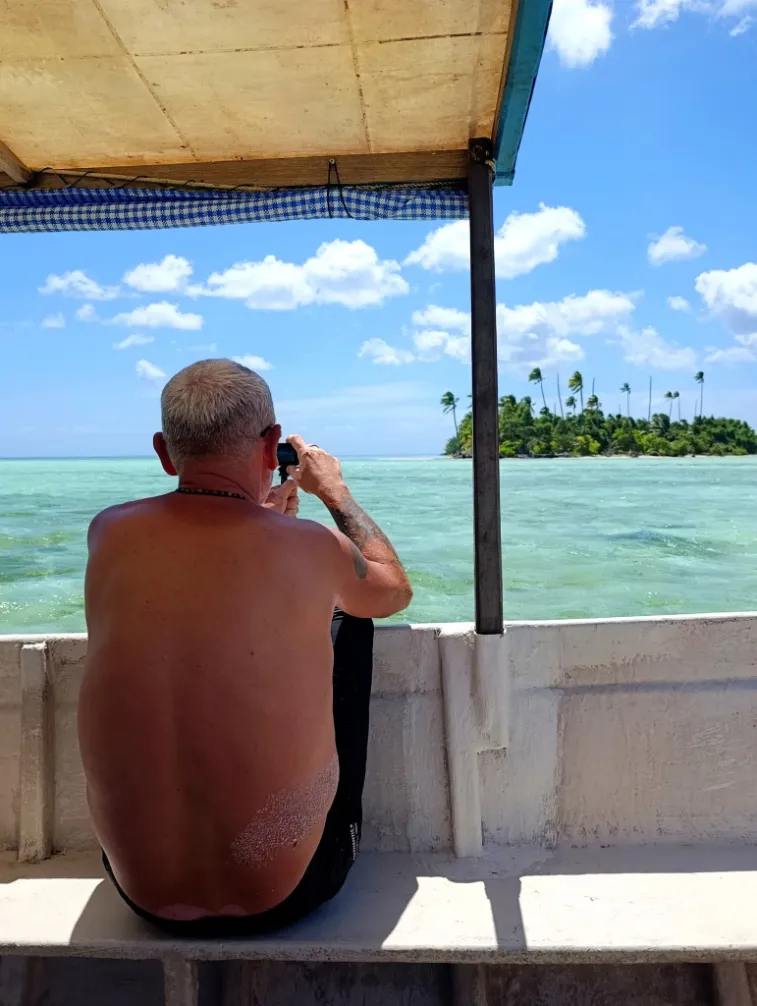
5 Beautiful Islands to Explore During Your Wakatobi Adventure
Wakatobi
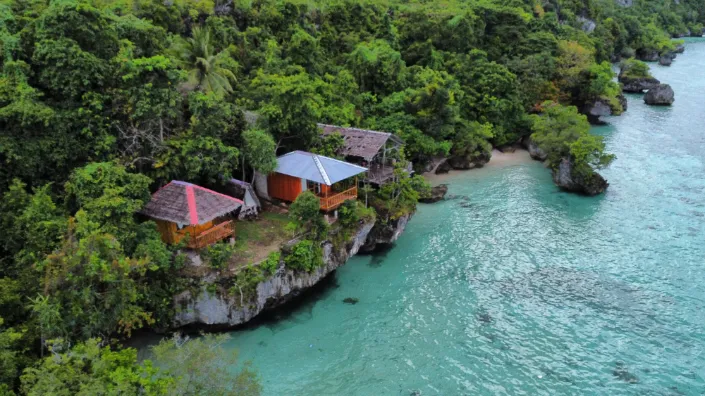
Choosing the Best Wakatobi Islands for Your Travel Experience
Wakatobi
.webp)
Tomia Island Travel Guide for Exploring Beaches Reefs and Island Life
Tomia, Wakatobi
The Best Beaches and Coastal Destinations to Visit in Wakatobi
Wakatobi
How to Plan a Multi Island Journey Across Wakatobi
Wakatobi