
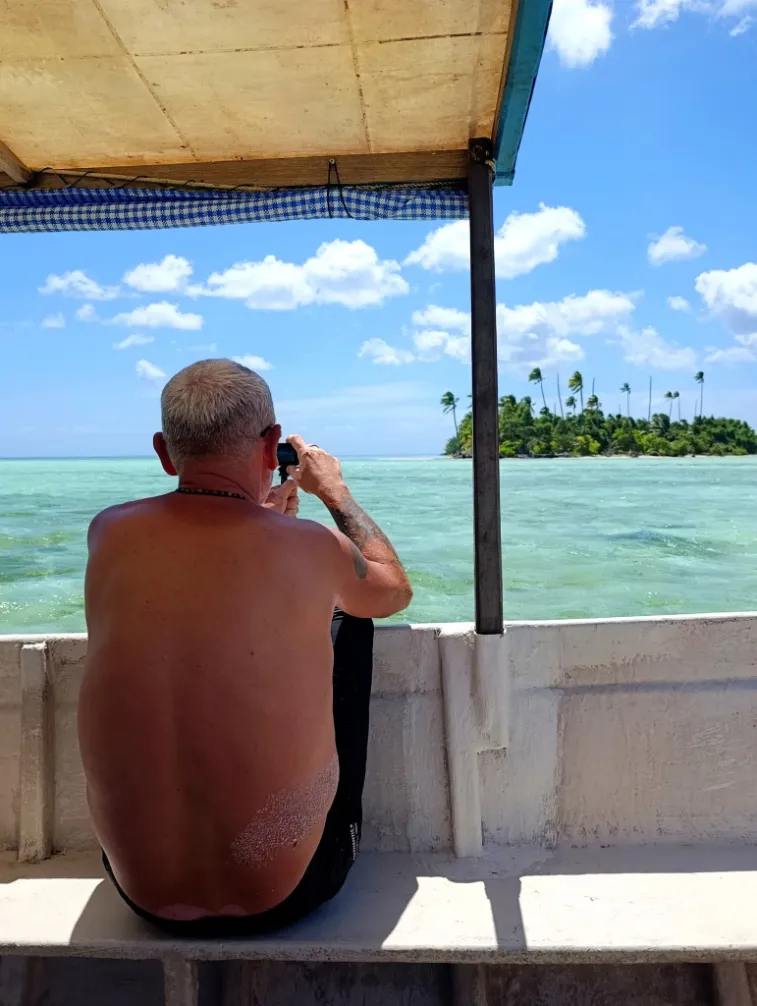
5 Beautiful Islands to Explore During Your Wakatobi Adventure
A focused comparison of Wangi-Wangi, Kaledupa, Tomia, Binongko, and Hoga for different island travel styles.
Compare five Wakatobi islands by marine focus, culture, transport, accommodation, pace, and the kind of journey each can support.
Wakatobi’s five main island names are useful only when they help a traveler make a better decision. Wangi-Wangi, Kaledupa, Tomia, Binongko, and Hoga should not be presented as identical postcard choices. They can support different combinations of arrival logistics, marine exploration, community life, cultural interest, accommodation, and travel pace.
This comparison keeps the focus on how each island may fit a journey. The descriptions are planning guidance, not a permanent beauty ranking. Current boat routes, weather, site conditions, local access, and services must be confirmed before a trip is fixed.
How to Choose Among Five Islands
Begin with the question behind the journey. Do you want easier route organization, a slower island rhythm, a marine-focused stay, broader island context, or a specific mix of land and sea activities? The answer is more useful than choosing a destination from a photograph alone.
Then compare transfer effort, sleeping arrangements, group ability, activity alternatives, and the amount of time available. The most beautiful island for one traveler may be the wrong fit for a family or a group that dislikes frequent boat movement.
Use a simple comparison note for each island: main purpose, likely transfer burden, accommodation question, marine dependence, and land-based alternative. This makes the decision practical without pretending that one island can be scored objectively for every traveler.
The choice should also reflect how much uncertainty the group can handle. A flexible couple may welcome a condition-dependent marine route, while a family with a fixed return connection may need a shorter sequence and more buffer. State that preference clearly when requesting local advice.
1. Wangi-Wangi for Arrival and Organization
Wangi-Wangi is a sensible option when the group needs a practical starting point, local services, accommodation, and help organizing the next connection. It can be the right choice for first-time visitors who want to understand the route before moving farther into the archipelago.
The island is not automatically the best fit for every marine goal. Confirm the exact departure point, boat connections, activity options, and weather buffer before using it as the foundation of a multi-island plan.
Arrival time can influence the quality of the first day. A group that reaches the island late may benefit from orientation and rest before entering the water or attempting another transfer. Ask what happens if the arrival is delayed and whether the first activity can be moved without removing the most important experience.
Wangi-Wangi can also be useful for practical preparation. Confirm water, meals, medication storage, equipment sizes, and the next meeting point while the group still has access to the operator. These questions make the later island movement calmer and reduce last-minute assumptions.
2. Kaledupa for a Slower Island Rhythm
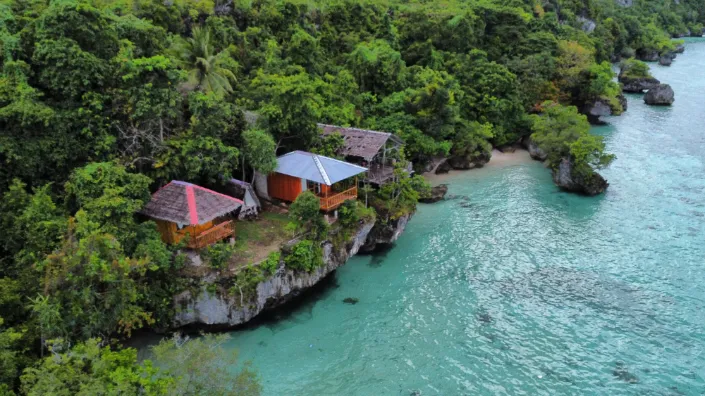
Kaledupa may appeal to travelers who want island scenery, community context, and a less hurried pace. It can provide a useful balance between coastal observation and local-life experiences when the route is coordinated with hosts.
Ask which villages, beaches, or marine activities are currently available. Leave space for the island to be experienced as a place rather than reducing it to a transfer between more famous names.
A slower rhythm still needs a clear meeting point and a plan for supplies. Confirm where the group eats, how far the accommodation is from activities, and whether the route involves walking on sand, uneven paths, or boat movement. Comfort should be part of the comparison, not an afterthought.
The value of Kaledupa may appear in details that a short stop cannot show: the relationship between settlement and coast, the pace of a local road, or the time needed to listen to a host. Describe those possibilities carefully and avoid presenting them as a guaranteed performance.
3. Tomia for Island and Marine Exploration
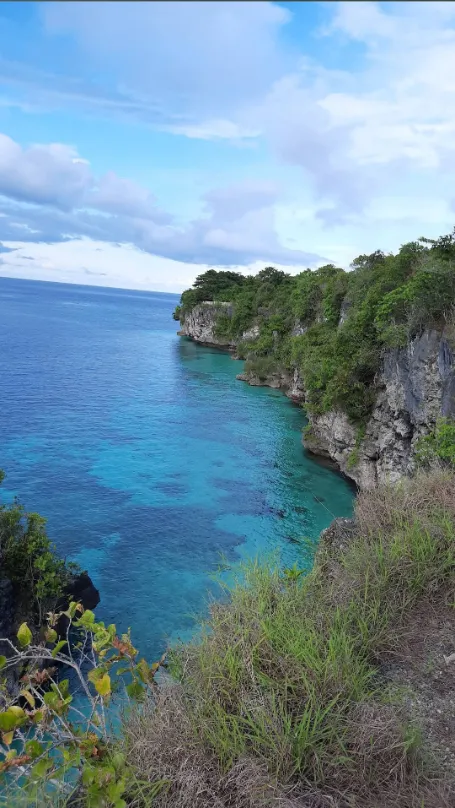
Tomia is a strong candidate for travelers who want a focused combination of beaches, island landscapes, and marine activities. It may fit divers, snorkelers, and photographers, but the actual experience depends on current visibility, sea state, equipment, guide support, and the group’s ability.
Choose Tomia when the group is comfortable planning around conditions and allowing enough time for the island connection. Confirm whether non-divers have a meaningful land-based program.
A marine day should include more than time in the water. Ask about briefing, boat shade, rest, drinking water, equipment storage, and the plan for a traveler who decides not to enter. This makes Tomia a stronger choice for a mixed group than a schedule built only around the most experienced participant.
Reef protection should influence site selection. The appropriate site is the one the guide can operate responsibly under current conditions, with the group able to maintain buoyancy and follow distance rules. A different site or a land activity may be the better choice on a particular day.
4. Binongko for Wider Archipelago Context
Binongko can suit travelers who want to understand Wakatobi beyond the most frequently photographed stops. Its value is partly the broader island perspective and the willingness to plan a route with more logistics and time.
Confirm accommodation, land transport, cultural access, boat frequency, and realistic journey length. Binongko should not be added as a rushed final checkbox when the transfer would consume the experience.
The island is best compared as a destination with its own time requirement, not as a distant add-on. Ask whether the route allows a full local day, where luggage remains during movement, and how the group returns if the sea changes.
Travelers interested in culture should ask who provides interpretation and whether a visit is currently welcomed. The wider archipelago perspective becomes more accurate when Binongko is described through local context rather than through assumptions based on other islands.
5. Hoga for a Marine-Centered Stay
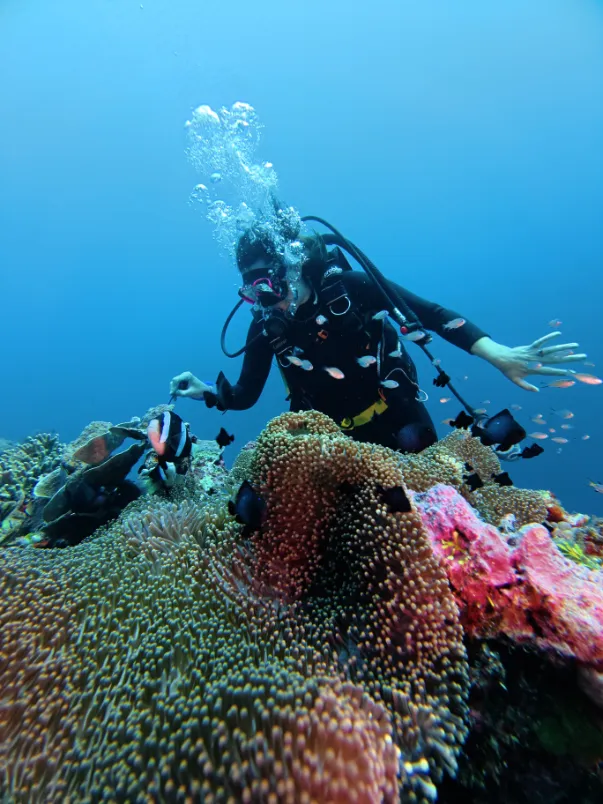
Hoga is a natural consideration for travelers whose main reason for visiting Wakatobi is marine exploration. Diving, snorkeling, reef observation, and beach time may form the center of the stay, subject to current conditions and local arrangements.
Ask about equipment, guide supervision, currents, visibility, conservation rules, and options for non-divers. A marine-focused island still needs rest, safety planning, and a clear alternative when the sea is unsuitable.
Before choosing a marine-centered stay, ask how many sessions are realistic for the group and what happens between them. Repeated exposure to sun, boat movement, and water can be tiring even for confident swimmers and divers. A thoughtful schedule protects attention and enjoyment.
Hoga should be presented as a place for condition-aware marine travel, not as a guarantee of a particular animal, coral scene, or visibility. The conservation rules and the guide’s assessment remain more important than a promised photograph.
Compare the Islands by Travel Effort
Island beauty does not reveal the full cost of reaching a place. Compare departure points, boat duration, luggage handling, loading time, accommodation changes, and the consequences of a delayed connection. A longer transfer can be worthwhile when it protects a meaningful experience, but it should be stated honestly.
Build buffers around the final return boat and avoid scheduling a demanding marine activity immediately after a difficult transfer. Comfortable pacing is part of choosing an island.
The transfer itself can affect what the group is able to enjoy after arrival. Wet weather, boat spray, waiting time, and carrying bags may be tiring, especially for children or older travelers. Ask whether luggage stays with the group and where it can be protected while the boat is loaded.
A realistic comparison also includes the return plan. Do not choose a remote island for the final night if a delayed connection could threaten an important departure. The operator can recommend the safest sequence after checking the actual route.
Ask whether the proposed movement uses a regular service or a locally arranged boat. That distinction affects flexibility, luggage handling, and the response when wind or waves change. Treat any public timetable as subject to current confirmation.
A slower transfer can still be valuable when it leads to a meaningful stay. The important question is whether the route leaves enough time to experience the island rather than spending the visit recovering from movement.
Compare by Culture and Community
A good island comparison includes more than reefs and beaches. Ask whether community visits, heritage places, or local activities are currently available and who coordinates them. Visitors should request permission before photography and follow guidance around homes, boats, work areas, and cultural spaces.
Do not assume that cultural access is permanent or that a village can be visited without prior arrangement. Local consent is part of the destination information.
Compare the role of local hosts as carefully as the scenery. A community visit may involve interpretation, a local service, a conversation, or simply respectful observation; the article should not turn those possibilities into a guaranteed show. Ask what the host wants visitors to understand.
Responsible cultural travel includes accurate online language. Avoid calling a place untouched or secret when people live there, and do not publish identifiable images without permission. The island choice should support dignity as well as discovery.
Give a host time to explain the setting in their own terms. A visitor does not need to extract a performance or a dramatic anecdote to have a worthwhile encounter. Listening can be the main activity.
Community availability can change with work, weather, ceremonies, and local priorities. The booking should therefore name the type of experience being requested while leaving the exact form to current coordination.
A Simple Decision Guide
Consider Wangi-Wangi for arrival and organization, Kaledupa for a slower island rhythm, Tomia for a balanced island-and-marine route, Binongko for broader archipelago context, and Hoga for a marine-centered stay. These descriptions help narrow the conversation; they do not replace current local confirmation.
After choosing a likely island, ask about dates, boats, accommodation, activities, group needs, weather, and a substitution plan. The final answer should come from the route that can actually operate.
For a mixed group, choose the island where the main activity and the alternative can coexist. Divers may need a boat program while other travelers prefer a village, beach, or land route. Confirm meeting points and supervision before treating an alternative as part of the package.
For a short trip, prioritize one island and one strong experience. For a longer trip, add a second island only after checking the effect on rest, luggage, food, and weather buffers. This approach keeps the comparison connected to a real journey rather than a list of attractive labels.
A useful decision note can record the preferred island, the reason for choosing it, the main uncertainty, and the backup. This makes a conversation with a local operator easier and prevents a beautiful image from becoming the only evidence behind the choice.
The final selection should be revisited close to departure. Current marine conditions and local capacity may make another island more appropriate, even when the original preference remains attractive.
Final Perspective on the Five Islands
The five islands are beautiful for different reasons. Wangi-Wangi can make a journey workable, Kaledupa can create room for local rhythm, Tomia can connect island scenery and marine activity, Binongko can widen the archipelago story, and Hoga can focus attention on the sea.
Choose the island that matches the experience, pace, and responsibility the group can sustain. Wakatobi becomes richer when travelers see its differences rather than flattening every island into the same beach promise.
A useful final choice is one the group can explain in a sentence: the island was selected for its role in the route, its current access, and its fit with the travelers. That reasoning remains valid even when the exact marine site or daily order changes.
The comparison should lead to better questions, not to a universal winner. Ask local hosts what is operating, listen to condition-based advice, and let conservation and community capacity shape the final decision.
The best island is therefore not always the most distant or the most photographed. It is the place where the group can spend enough time, behave responsibly, and understand the relationship between reef, coast, settlement, and route.
That perspective also makes the article more durable. It remains useful when a boat route or facility changes because it teaches readers how to choose, rather than promising that every detail will stay fixed.
Frequently Asked Questions
Which Wakatobi island is best for first-time visitors?
Wangi-Wangi may suit first-time visitors who prioritize arrival and route organization, but the best choice depends on confirmed transport and the group’s interests.
Which island is best for marine activities?
Tomia and Hoga may suit marine-focused travelers, but visibility, currents, skill, equipment, guide support, and weather must be checked for the travel date.
Which island is best for a slower holiday?
Kaledupa may appeal to travelers seeking a slower island rhythm, while the final pace still depends on accommodation, transfers, and local activities.
Can I visit all five islands in one trip?
It may be possible on a longer route, but every additional transfer adds weather and schedule dependence. Choose meaningful stops instead of forcing all five into a rushed itinerary.
Plan your journey with Laode Traphel.
You May Also Like
A Complete Wakatobi Travel Guide for Exploring Islands Reefs and Culture
Wakatobi
Choosing the Best Wakatobi Islands for Your Travel Experience
Wakatobi
.webp)
Wangi Wangi Island Travel Guide for Starting Your Wakatobi Adventure
Wangi-Wangi, Wakatobi
.webp)
Tomia Island Travel Guide for Exploring Beaches Reefs and Island Life
Tomia, Wakatobi
The Best Beaches and Coastal Destinations to Visit in Wakatobi
Wakatobi
How to Plan a Multi Island Journey Across Wakatobi
Wakatobi