
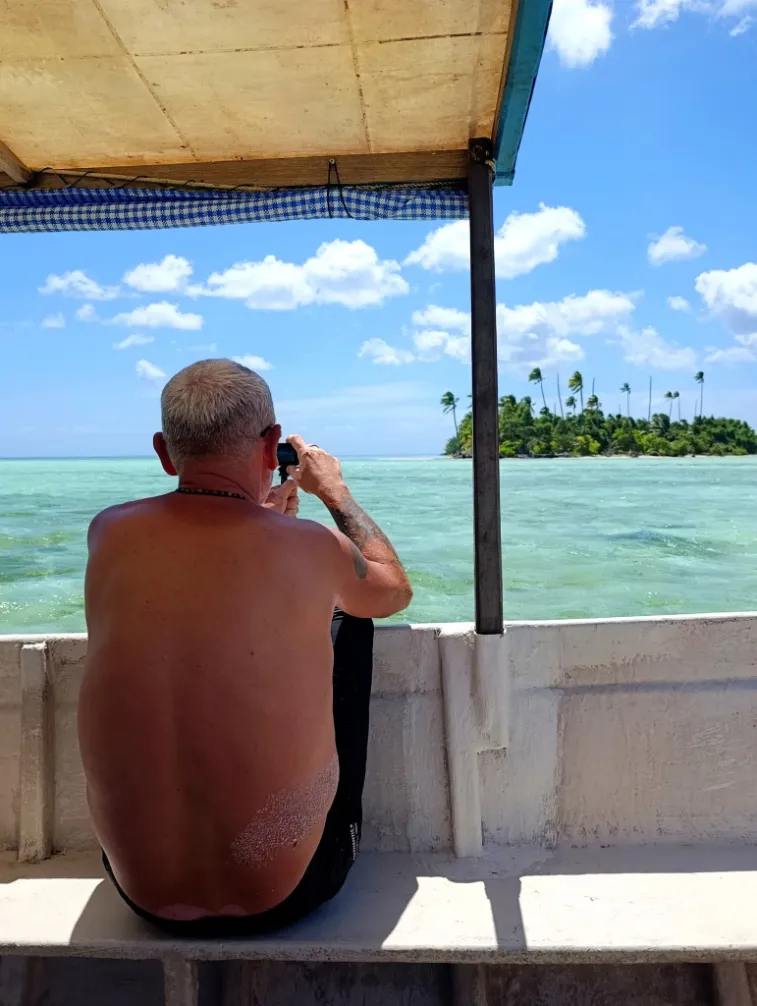
The Best Beaches and Coastal Destinations to Visit in Wakatobi
A conditions-aware guide to Wakatobi beaches, island shores, coastal communities, and responsible seaside planning.
Compare Wakatobi beaches and coastal destinations by scenery, access, marine conditions, island character, community context, and travel pace.
Wakatobi’s coast is more varied than a simple list of beaches suggests. Wangi-Wangi, Kaledupa, Tomia, Binongko, and Hoga create different island settings, while Sombu and named marine areas connect the shoreline with reef travel. A beach can be a place for a quiet walk, a boat departure, a family pause, a photography session, or a gateway to snorkeling. Those uses depend on the exact shore, current conditions, local access, and the way the community manages the place.
This guide helps travelers choose a coastal experience without turning a scenic image into a promise. Confirm the condition of the water, tide, road or boat access, shade, toilets, food, supervision, and photography expectations. The best beach is the one that fits the group’s purpose and leaves the shoreline, reef, and host community respected.
Compare Shore Types Instead of Ranking Beaches
A beach comparison should describe the kind of shore and the purpose it serves. Sand, rock, reef edge, village waterfront, boat landing, and a coast used for work each create a different day. A sandy-looking image does not explain the footing, water depth, tide, shade, or distance from a safe entry. Ask the operator to describe the exact shore in those practical terms and to name the activity it currently supports.
Use Wangi-Wangi, Kaledupa, Tomia, Binongko, Hoga, Sombu, and other project references as island and coastal planning points, not as permanent winners. One shore may fit a quiet walk, another a boat departure, and another a marine session. Compare access, conditions, group comfort, local use, and conservation expectations together so the choice is based on fit rather than a single photograph.
Treat Access as a Question, Not a Promise
Coastal access can depend on a boat, vehicle, path, tide, weather, local permission, or the current use of the shoreline. Confirm how the group arrives, where it boards or walks, how luggage and wet equipment are handled, and whether the shore is open on the selected date. Ask what happens when wind, rain, waves, or a delayed connection makes the original access unsuitable.
Do not assume a destination has standard toilets, shade, food, changing space, or a maintained path. Those details may change and must be confirmed for the exact place and departure. A useful booking answer distinguishes what the operator has checked from what remains conditional. Build enough time for a return movement and avoid making a beach stop responsible for a connection that leaves no buffer.
Plan for Non-Swimmers and Families
Families should discuss supervision, flotation, heat, shade, water, walking surfaces, and the child who may prefer not to enter the sea. Non-swimmers need a meaningful plan such as a boat view, coastal observation, photography, or an island walk, with a clear meeting place and return time. Never infer that a calm image makes a shore suitable for unsupervised play.
Swimming suitability requires current information about tide, waves, current, depth, boat traffic, entry, reef or rock, and local rules. Keep a responsible adult with children and weaker swimmers, follow guide instructions, and stop when confidence or conditions change. A beach day succeeds when every participant has a safe way to take part, including those who remain dry.
Follow Community Etiquette on the Shore
A coastal community is also a workplace and a home. Boats, fishing areas, paths, houses, and public spaces may have different expectations. Ask before photographing people, homes, boats, or work, and do not enter a private or active area because it looks scenic. Keep noise, clothing, and movement appropriate to local guidance and let hosts explain where visitors may pause.
If a community visit, guide, contribution, or hosted meal is part of the route, confirm who coordinates it and what has actually been agreed. Do not present residents as an attraction or promise access that has not been arranged. Respectful etiquette gives the shoreline meaning and helps travelers understand why a particular place cannot always be used as an informal recreation stop.
Build a Coastal Conditions Checklist
Before booking, ask for the exact island and shore, access method, current water conditions, tide concerns, boat traffic, walking surface, supervision, shade, food, water, toilets, waste handling, and alternative. Ask who makes the decision if the sea or access changes and how the group is notified. Keep the answer tied to the date rather than accepting a general island description.
Pack for uncertainty with sun and rain protection, secure bags, medication, spare clothing, and suitable footwear, but do not assume a packing list creates facilities that are not there. Protect cameras and documents from spray. A shorter coastal visit with a clear return plan is safer and more comfortable than a long list of shores connected by tight transfers.
Conserve the Shoreline and Reef Edge
Keep waste contained, use the disposal arrangement provided, and do not remove shells, stones, coral, plants, or other natural material. Stay away from fragile vegetation and follow limits around protected or community-managed areas. At a reef edge, maintain buoyancy, keep fins and equipment clear, and never stand on coral to take a photograph.
Conservation also includes accepting a closed area, a changed landing, or a guide's request to move away. Do not feed wildlife, chase animals, or encourage a crowd around an encounter. The coast travelers come to see remains healthy only when ordinary visits reduce pressure rather than treating scenery as an unlimited resource.
Choose a Coastal Day for the Group
A photographer may prefer one shore with time for light and changing views. A family may need a short route, a dependable meeting point, and room to rest. A marine traveler may choose a coast connected to snorkeling, while a slow traveler may value boats, local life, and a quiet walk more than swimming. Put these priorities into the booking conversation.
The best coastal destination is therefore relative to purpose, conditions, access, and community fit. Ask what can be substituted without losing the day's purpose. A village view or guided observation can be meaningful when the water is unsuitable, and a slower plan often lets the group notice the island rather than rushing between interchangeable stops.
Make the Comparison Honest
Separate stable descriptions from changing details. An island name, reef reference, or beach image can support inspiration, but current access, water conditions, facilities, prices, and schedules require confirmation. Record which shore was discussed, which activity was agreed, and what remains dependent on local assessment.
This comparison method avoids disappointing promises while still helping travelers choose. Wakatobi beaches can be compared by shore character, marine connection, community context, family suitability, access uncertainty, and conservation responsibility. Those questions produce a more useful decision than declaring one permanent best beach.
For a final comparison, ask the operator to describe the exact shore, the arrival and return plan, the safest use of the water, and the alternative if access changes. Confirm who supervises children and non-swimmers, where the group may rest, how waste is handled, and whether a community host has agreed to the visit. These details turn a general beach preference into a responsible booking decision. Also ask whether the coast is sandy, rocky, reef-fringed, or used for boats and work, because those differences affect footwear, swimming, photography, and etiquette.
A family comparison should include the whole day, not just the water. Ask how far the group walks from the landing, whether wet clothing can be managed, where children wait during a boat movement, and what happens if rain arrives. A non-swimmer may value a shaded observation point or a village shoreline more than a swim, while a photographer may need time rather than several rushed stops. Keep waste with the group, do not collect shells or coral, and follow local instructions about private or working areas. When access is uncertain, choose a route with a clear alternative and enough return time. This makes the beach decision useful for the group and considerate to the people and ecosystems that support the visit.
Read the Coast as an Island Landscape
Start by asking what kind of coastal day the group wants. A traveler looking for swimming needs different information from a photographer seeking rock, sand, boats, and changing light. A family may prioritize easy access and a safe place to rest, while a marine traveler may choose a shore because it connects to a reef route. Use the island name and exact destination name together when asking an operator for advice.
The project data supports Wangi-Wangi, Kaledupa, Tomia, Binongko, Hoga, Sombu, and wider reef and beach references. It does not establish that every shore has the same sand, water depth, facilities, or access. Avoid ranking beaches permanently when wind, tide, maintenance, and local rules can change the experience.
Wangi-Wangi for Coastal Orientation
Wangi-Wangi can be useful when a journey begins with route organization, island connections, cultural context, and an introduction to Wakatobi. A coastal stop here may help travelers understand how the water, settlements, boats, and services relate to the wider archipelago. It can be a practical part of a first day or a gentler alternative after a transfer, provided the exact site and current access are confirmed.
Do not treat a convenient starting island as proof that every beach activity is available at every time. Ask where the group may walk, swim, wait, or photograph, and whether the shore is used for work or transport. A respectful coastal orientation gives space to local activity and avoids turning a working shoreline into an unplanned recreation area.
Kaledupa and a Slower Shoreline Rhythm
Kaledupa can suit travelers who want a slower island rhythm that combines nature, coast, villages, marine activities, and quiet observation. A coastal route may be valuable because it shows the relationship between water and daily island life rather than presenting the beach as an isolated resort scene. Allow time for local hosting, boat coordination, and changes caused by weather or tide.
Before visiting, confirm whether the selected shoreline is open for the planned activity, how the group reaches it, and what behavior is expected around homes, boats, and work areas. Ask about shade, water, changing space, and waste arrangements instead of assuming that a scenic coast provides standard facilities. Slower travel works best when the group accepts local pace and keeps the schedule flexible.
Tomia, Hoga, and Coastal-Marine Connections
Tomia and Hoga are important references for marine-focused Wakatobi planning, but their value is not limited to underwater activity. A shore can provide a meeting point, a place to rest between sessions, a view across island water, or a way for non-divers to share the journey. Combine the coastal plan with the operator’s current information about boat movement, reef conditions, and the group’s ability.
A beach day should not force swimming when the sea is unsuitable. Wind, waves, current, tide, rain, and shoreline footing can change the risk. Choose observation, photography, a guided land route, or a rest period when those are the better options. The coast remains worth experiencing even when the planned water activity is delayed or replaced.
Binongko and the Wider Archipelago Perspective
Binongko broadens the idea of a Wakatobi coastal destination by placing shores within a wider archipelago and traditional island-life context. Travelers should allow the island’s character to remain distinct rather than treating every stop as a duplicate beach. Ask what can genuinely be visited, how local coordination works, and whether the route is suitable for the group’s available time and physical comfort.
Coastal travel also carries a responsibility to avoid reducing residents to scenery. Boats, homes, fishing areas, and public spaces can be part of everyday work. Seek permission before taking photographs, listen to local hosts, and do not enter private or working areas. A coastal visit becomes richer when travelers understand the people and practices that give the shoreline meaning.
Swimming, Snorkeling, and Water Safety
Never infer swimming suitability from clear water or a calm photograph. Ask about current, depth, tide, waves, boat traffic, sharp or uneven surfaces, supervision, and the location of a safe entry. Children and weaker swimmers need direct supervision and appropriate flotation; a general beach recommendation is not a safety assessment. Follow the operator or local guide when conditions change.
Snorkeling requires additional distance from coral, awareness of current, and a plan for reboarding or reaching shore. Do not touch the bottom, stand on reef, chase wildlife, or let fins strike coral. If the group includes a non-swimmer, agree on where that person waits, who supervises, and when everyone returns. A comfortable coastal day includes a clear decision to stay out of the water when necessary.
Facilities, Access, and Planning Questions
Ask about the exact route, vehicle or boat access, walking surface, shade, drinking water, food, toilets, changing space, and waste disposal. These details are operational and can change, so do not copy an old list into a current promise. Confirm whether an area is managed by a community, private host, operator, or protected-area arrangement and follow the applicable rules.
For a multi-stop day, ask how long the group can realistically spend at each shore and what happens if tide or weather delays a boat. Leave time for returning wet equipment, protecting cameras, resting from sun, and making the next connection. A smaller number of well-understood coastal stops is often more comfortable than a rushed list of beaches.
Conservation on Beaches and Reefs
Keep waste contained, use designated disposal arrangements, avoid taking shells or stones, and do not damage vegetation or coastal structures. On reef edges, maintain buoyancy and keep equipment from contacting coral. Do not feed wildlife or encourage interactions that alter animal behavior. These ordinary actions protect the scenery that travelers came to see and reduce the burden placed on local management.
Respect also means following access limits and local instructions. A restricted area may protect nesting, reef recovery, sacred meaning, private work, or fragile shoreline. Do not argue for a photograph when a guide says no. Ask how a contribution, guide, or community service is organized and value local control over the coast as part of a responsible travel decision.
Plan your journey with Laode Traphel.
You May Also Like
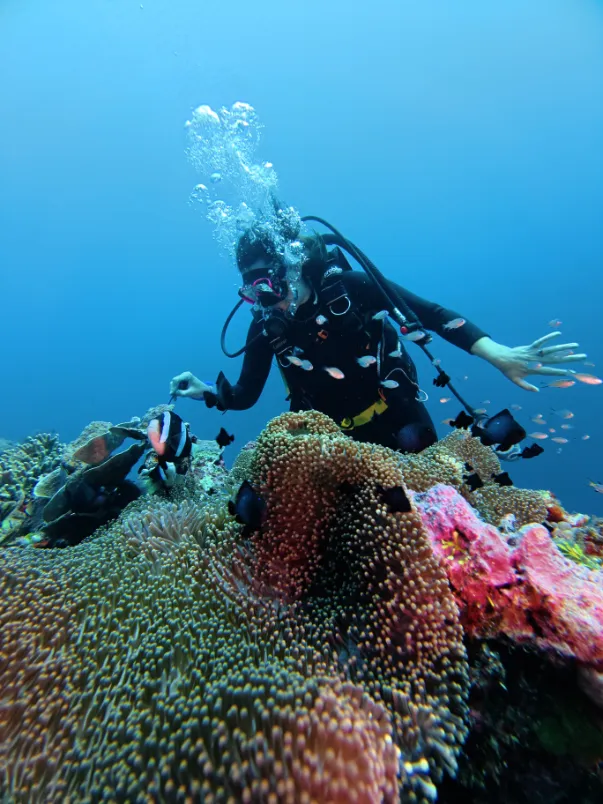
A Complete Wakatobi Travel Guide for Exploring Islands Reefs and Culture
Wakatobi
5 Beautiful Islands to Explore During Your Wakatobi Adventure
Wakatobi
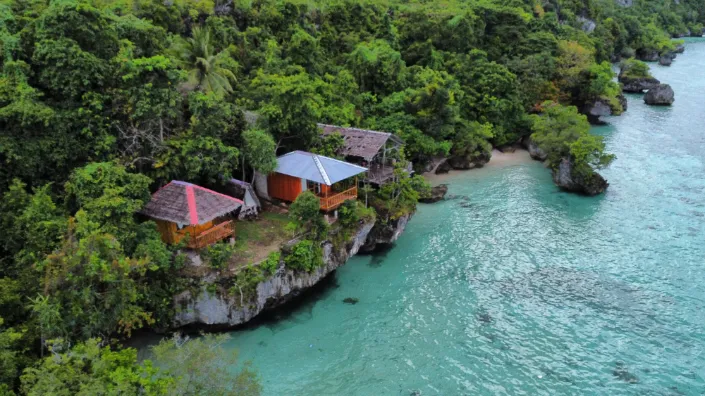
Choosing the Best Wakatobi Islands for Your Travel Experience
Wakatobi
.webp)
Wangi Wangi Island Travel Guide for Starting Your Wakatobi Adventure
Wangi-Wangi, Wakatobi
.webp)
Tomia Island Travel Guide for Exploring Beaches Reefs and Island Life
Tomia, Wakatobi
How to Plan a Multi Island Journey Across Wakatobi
Wakatobi