
.webp)
Tomia Island Travel Guide for Exploring Beaches Reefs and Island Life
Plan a Tomia journey around beaches, reefs, island movement, marine conditions, and everyday island life.
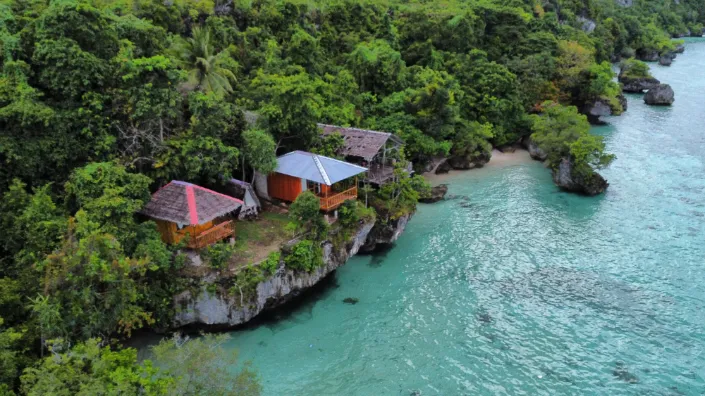
Explore Tomia through its island scenery and marine possibilities while keeping transport, skill, weather, and local life in view.
Tomia works well for travelers who want an island setting with access to beaches and marine exploration. Its value is not limited to a single reef photograph. The journey also includes boat timing, island roads, accommodation, equipment, local guides, and the pace of life between activities.
This guide treats Tomia as a destination to plan carefully rather than a guaranteed checklist. Conditions, access, visibility, and available services must be confirmed for the selected date.
Why Tomia Fits a Focused Wakatobi Route
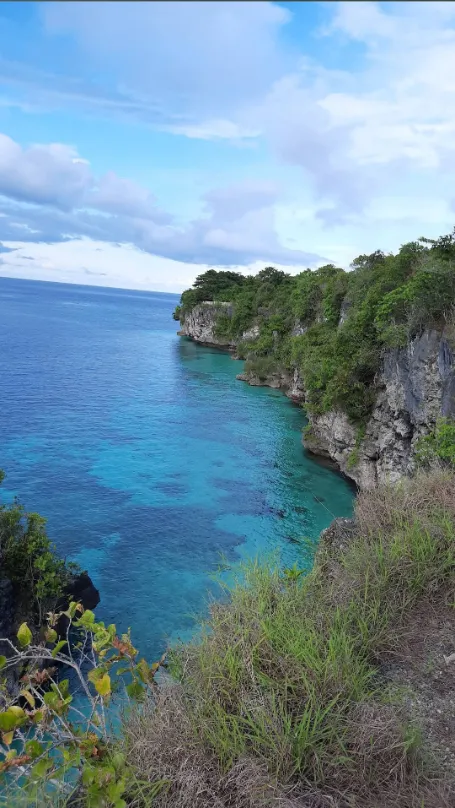
Tomia may suit travelers who prefer to spend several days understanding one island rather than rushing through many connections. Beaches, reef activities, photography, and local island observation can form a coherent route when the group allows enough time.
Choose Tomia for the experience it can realistically provide, not only for its reputation. Ask what is currently open, which sites are reached by boat, and whether the itinerary has a land-based alternative.
A focused stay also gives the operator time to match the group with the appropriate marine profile. Instead of treating every day as a race to another reef, the route can include briefing, rest, land observation, and a change of activity when the sea is unsuitable.
Tomia is a better fit for travelers who accept that the final sequence may be adjusted. The value of the island comes from the combination of reef, shore, movement, and local life, not from guaranteeing one image or one named site.
Beaches as More Than a Photo Stop
A Tomia beach day can include shoreline observation, rest, photography, and a pause between marine activities. Swimming or snorkeling should be planned only after current water conditions, safety support, equipment, and local permission are confirmed.
Avoid describing every beach as identical. Sand, rock, tide, wind, shade, access, and nearby community use can change the experience from one shore to another.
The most useful beach description explains how the shore fits the day. A beach near accommodation may be valuable for an early walk or a recovery period, while a more distant shore may require a boat or a longer land transfer. Families may need shade and a safe place to sit; photographers may need time with changing light; swimmers may need a guide to identify the appropriate entry point. These differences should be explained before a booking so the group does not arrive expecting a resort facility where only a natural shoreline is available.
A beach is also part of the island’s working environment. Boats may need to land, residents may use the shore, and natural conditions may make one section unsuitable for entry. Follow local direction, keep equipment out of access paths, and leave the shoreline as it was found.
Choose a beach stop that gives the group time to observe the coast rather than forcing several shorelines into one afternoon. The quieter pace can reveal changes in water color, wind, rock, and community use that a quick photograph would miss.
Planning Reef Activities Around Skill
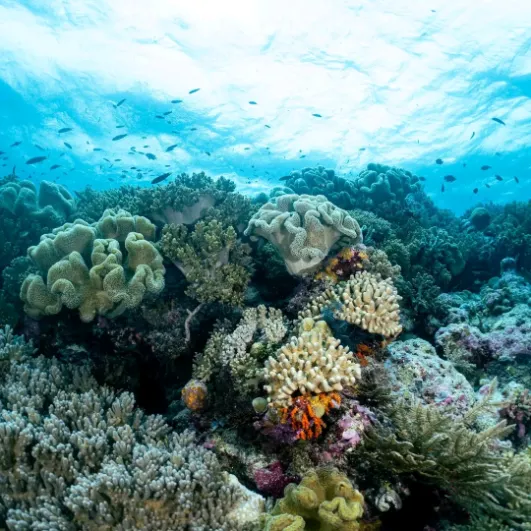
Divers should disclose certification and experience, while snorkelers should ask about currents, flotation, supervision, and sheltered water. A named reef does not automatically suit beginners or guarantee visibility.
The operator should explain the water entry, expected depth, current direction, bottom time, boat position, and emergency procedure before the group enters the sea. A traveler returning after a long break may need a simpler profile than the group’s most experienced diver. Children and nervous swimmers should have direct supervision and a clear decision about whether to enter at all.
The group should also discuss what a comfortable marine day means. Some travelers want to swim continuously, while others prefer short observation periods with time to rest on the boat or beach. A guide can separate divers and snorkelers safely only when meeting points, supervision, and return times are agreed. These details make the activity accessible without reducing the value of the reef.
Follow the guide’s briefing, maintain buoyancy, avoid coral contact, and never chase wildlife. A responsible operator should have a decision to substitute or cancel when conditions are unsuitable. Choosing a calmer site is not a lesser experience; it can give the group more time to observe fish, coral structure, light, and water movement without creating pressure on the reef or on less confident swimmers.
Island Transfers and Daily Pace
Tomia is part of an archipelago, so transfers shape the experience. Confirm departure points, boat duration, luggage handling, loading time, accommodation, and the return connection before scheduling a full activity day.
Leave room for weather and rest. A slower day with one meaningful reef or beach experience is better than forcing several stops after a difficult crossing.
Travelers should also ask what happens to luggage during a boat transfer and where personal equipment is stored. Wet bags, cameras, medication, and documents need protection from spray and rain. If the route connects Tomia to another island, confirm whether the group has enough time to eat, dry equipment, and rest before the next activity. A route that looks efficient on paper can become tiring when loading, waiting, and changing rooms are not included in the plan.
The daily rhythm should protect attention as well as physical energy. A tired traveler may miss a guide’s safety explanation, rush through a beach, or become less careful around coral and boat equipment. Build a route that allows arrival, briefing, activity, recovery, and reflection in that order. This is especially important for groups mixing divers, snorkelers, children, and travelers who prefer land-based exploration.
Island Life and Local Respect
Tomia is not an empty marine platform. Visitors share the island with people who work, travel, fish, host guests, and use coastal spaces daily. Ask before photographing homes, boats, people, or work areas, and follow local guidance around villages and cultural places.
Use locally coordinated guides and services where appropriate, but clarify the arrangement. A community encounter should be based on consent and time for listening, not a guaranteed performance.
Visitors can show respect through ordinary decisions: keeping groups small near homes, lowering voices when requested, not blocking boat paths, and accepting that some places are private. Local guides may explain names, routes, or customs that are not visible in a photograph. Listen without asking hosts to produce a dramatic story. Tomia becomes more than a marine destination when travelers understand that reef tourism takes place within a living island community.
The same principle applies to online promotion. Do not describe a shoreline as empty when it is used by residents, or present one community encounter as a guaranteed feature of every departure. Accurate captions and careful wording help local hosts keep control over how their island is represented. Respectful tourism is not only a behavior during the visit; it is also a responsibility in the expectations created before the boat arrives.
What to Confirm Before Booking Tomia
Ask which beach and marine sites are included, where the group sleeps, what equipment is supplied, which fees are included, and what happens during poor visibility or rough sea. Confirm alternatives for non-divers and the group’s physical needs.
Pack sun and rain protection, drinking water, dry clothing, practical footwear, medication, and a secure bag for electronics according to the confirmed route.
The booking conversation should also establish whether a guide remains with the group during land activities, how meals are arranged, and whether conservation or entrance fees are separate. Ask which descriptions are based on current observation and which are general destination context. This keeps a promotional page from being mistaken for a guarantee that every beach, reef, or activity operates on every departure.
Travelers should request the final information in writing when possible: the selected route, inclusions, meeting points, conditions that can change, and the operator’s substitution policy. This record helps the group compare the public article with the real product and gives everyone a shared understanding before payment. It also prevents a later disagreement about whether a marine site, equipment rental, meal, or local guide was part of the quoted arrangement.
Ask how the operator handles a traveler who cannot or does not want to enter the water. Confirm whether that person can remain with a guide, return to shore, or join a land activity. The answer should be specific enough for the group to plan supervision and meeting times.
Also ask how the route protects reef areas during boat approach and surface waiting. Conservation is not limited to underwater behavior; the boat, equipment, waste, and landing process all affect the shoreline and reef environment.
Final Perspective on Tomia
Tomia is strongest when island life and marine exploration are allowed to support each other. Beaches create space to slow down, reefs reward careful preparation, and local routes give the island context beyond underwater scenery.
Choose a realistic pace, respect the sea and community, and let current conditions guide the final sequence.
A meaningful Tomia journey may contain fewer scheduled stops than a conventional listicle, but it can offer more understanding. The group has time to learn how a reef is reached, how a beach changes with weather and tide, and how local people share the island with visitors. That depth is the reason to plan carefully: the destination is not improved by promises that conditions cannot support.
Travelers should return with more than a route completed. They should understand which choices protected the reef, which local services made the day possible, and which moments depended on patience. That understanding makes Tomia a stronger part of a Wakatobi journey and creates a more honest recommendation for the next visitor.
The strongest recommendation is specific about both pleasure and limits. It can describe the appeal of a beach or reef while stating that access, visibility, facilities, and weather need current confirmation. That balance gives the next traveler a useful expectation instead of a fragile promise.
Tomia rewards attention to sequence. A good day may move from a briefing to a marine activity, then to rest and local observation, with enough time for the group to process what it has seen. The island is not diminished by that slower structure; it becomes easier to understand.
The route should also explain what is not known. Project assets and destination descriptions identify Tomia’s role, but they do not establish current boat times, beach facilities, marine visibility, or access rules. Those details belong to the local confirmation before departure.
A thoughtful beach visit respects the shore as a shared environment. Keep paths and landing areas clear, ask before photographing residents or boats, and avoid treating a quiet coast as an invitation to enter private space.
For marine activities, preparation is part of enjoyment. A properly fitted mask, a clear entry briefing, and an agreed return signal allow travelers to focus on observing the reef rather than solving preventable problems.
That combination of attention and restraint is what makes Tomia suitable for a deeper Wakatobi experience. The island offers room to explore, but the group must let the sea, guide, and community define what can responsibly happen on the day.
Frequently Asked Questions
What is Tomia Island known for?
Tomia is associated with island scenery, beaches, reefs, diving, snorkeling, and a wider Wakatobi marine journey.
Is Tomia suitable for beginner snorkelers?
It may be, but site choice depends on currents, visibility, flotation, guide support, and the swimmer’s ability. Confirm conditions before entering the water.
What should I confirm before visiting Tomia?
Confirm boats, accommodation, exact marine sites, equipment, guides, fees, weather alternatives, and activities for non-divers.
Plan your journey with Laode Traphel.
You May Also Like
A Complete Wakatobi Travel Guide for Exploring Islands Reefs and Culture
Wakatobi
5 Beautiful Islands to Explore During Your Wakatobi Adventure
Wakatobi
Choosing the Best Wakatobi Islands for Your Travel Experience
Wakatobi
.webp)
Wangi Wangi Island Travel Guide for Starting Your Wakatobi Adventure
Wangi-Wangi, Wakatobi
The Best Beaches and Coastal Destinations to Visit in Wakatobi
Wakatobi
How to Plan a Multi Island Journey Across Wakatobi
Wakatobi