
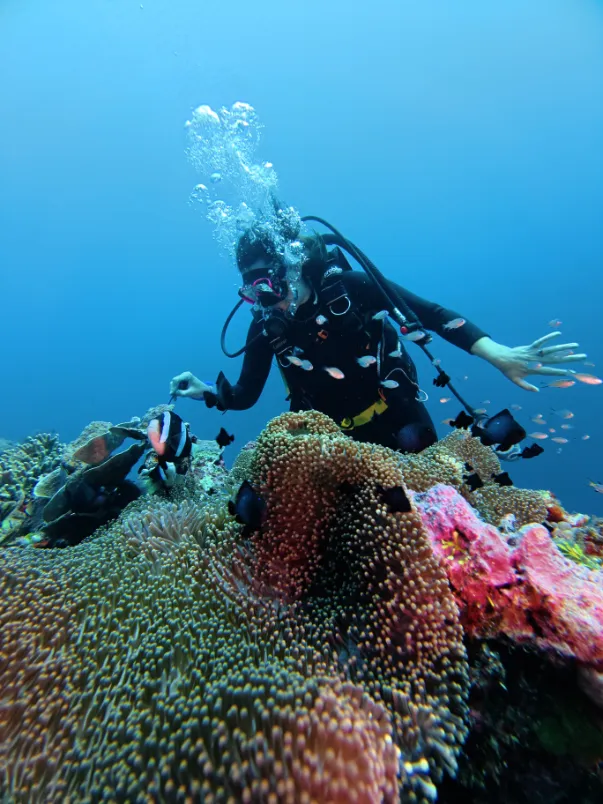
How to Plan a Multi Island Journey Across Wakatobi
A realistic route framework for combining Wangi-Wangi, Kaledupa, Tomia, Binongko, Hoga, marine sites, and island life.
Plan a multi island Wakatobi journey by balancing route sequence, boat uncertainty, activity priorities, local coordination, rest, and conservation.
A multi island journey across Wakatobi should be designed as a sequence of connected experiences, not as a race to collect island names. Wangi-Wangi, Kaledupa, Tomia, Binongko, and Hoga each have a different role in the project data, while Sombu, Ali Reef, Channel Dive, Fan 38, beaches, and cultural places add possible activities. The practical route depends on current boats, weather, accommodation, guides, group ability, and the time needed to move without rushing.
This framework helps travelers decide how many islands to include, what to confirm, and where to keep flexibility. It intentionally avoids exact schedules, fares, and travel times because those details require current local confirmation. A realistic journey protects rest, people, reefs, and the quality of island encounters.
Give Every Island a Clear Role
A route is easier to judge when each island has a job. Wangi-Wangi may support arrival organization and wider route planning. Kaledupa may suit slower local-life observation. Tomia may combine island scenery with marine exploration, Hoga may fit a focused marine stay, and Binongko may broaden the archipelago and traditional island perspective. These are planning roles, not promises of facilities or activities.
Ask why each island belongs in the route and what would replace it if the connection fails. The answer should mention current transport, the chosen activity, hosting or accommodation, group pace, and a practical alternative. If a stop appears only because its name sounds essential, it may add transfer pressure without adding an experience the group can actually enjoy.
Design the Route Backward from Fixed Commitments
Start with the arrival point, departure connection, and any activity that needs a professional guide or confirmed host. Work backward to decide where the group can rest and forward to see whether the route leaves a meaningful buffer. Do not place a demanding marine session immediately before an important onward connection, and do not assume a boat will load, cross, and unload in the shortest possible sequence.
A route can use broad order logic without claiming exact travel times. Ask the operator whether the intended sequence reduces backtracking and works with current boats and weather. Keep one changeable block rather than filling every period. That space can absorb rain, wind, late loading, tired travelers, a changed site, or a local arrangement that needs more time.
Build Buffers Around Every Transfer
A transfer buffer covers more than a late boat. It allows for luggage, boarding, weather exposure, shore footing, finding a meeting point, rest, food, equipment, and communication when plans change. Leave an arrival buffer before diving or snorkeling and a departure buffer before a flight or other critical connection. Ask what happens if the boat is delayed and where the group waits safely.
Keep the buffer visible in the itinerary rather than describing it as spare time that must be filled. A short delay can become stressful when travelers have wet gear, medication, children, or a reservation on another island. The operator should explain which parts of the route are flexible and who communicates a change. Good logistics make uncertainty manageable without pretending to control it.
Match Accommodation and Food to the Route
Accommodation is a route decision because check-in, rest, meals, water, luggage, bathing, and equipment storage all consume time. Confirm what is available for the selected dates and group instead of assuming that every island offers identical arrangements. Ask how arrival is coordinated, what food can be arranged, and where medication or wet equipment can be kept when those details matter.
Food planning also needs a real conversation about preferences, allergies, timing, and what happens during a delayed transfer. Do not promise a menu or facility that has not been confirmed. A route with fewer islands may provide better rest and more reliable meals than a longer sequence that repeatedly moves before the group has recovered.
Design for Different Group Profiles
Divers may prioritize Tomia, Hoga, Sombu, Ali Reef, Channel Dive, or Fan 38, subject to certification, current conditions, and professional assessment. Families may need fewer transfers, predictable meeting places, rest, and alternatives for children. Older travelers or guests with mobility needs require a conversation about boarding, walking surfaces, luggage, and waiting. Culture-focused travelers may prefer time with hosts over another quick coastal stop.
Tell the operator the group profile before choosing the number of islands. A non-swimmer should have a confirmed land or observation option, not an assumption that sitting on a boat is enough. A group that moves at different speeds needs meeting points and supervision. The route should serve the least confident participant without making the more active traveler lose every meaningful opportunity.
Prepare Weather Alternatives by Island
For every marine priority, identify a coastal, cultural, observation, or rest alternative that fits the island and does not require the same sea condition. Wind, waves, rain, current, visibility, and tide can change a transfer or activity. Ask whether the route order can change, whether a site can be substituted, and how the group learns about a decision.
Do not pressure a captain or guide because an online itinerary promised a particular place. A changed route may preserve the purpose of the day while protecting people and reefs. Record what actually happened rather than presenting the original plan as completed. Honest flexibility makes the next decision easier and respects the local knowledge that keeps the route workable.
Coordinate Community and Boat Context
Island movement passes through working shores, villages, homes, fishing areas, and community-managed spaces. Ask who coordinates a visit, whether a guide or contribution is expected, which areas are open, and how photographs should be handled. Follow hosts instead of entering private areas or interrupting work. A community experience depends on consent and timing, not on the assumption that residents are available whenever a boat arrives.
Boat crews and local hosts can explain current access, weather signals, landing limits, and conservation rules. Treat that knowledge as part of the journey and use services transparently. Avoid promising community benefits or cultural encounters that have not been confirmed. Responsible logistics reduce pressure and give residents more control over how an island is visited.
Reduce Pressure Through Route Design
A multi island itinerary visits one connected marine and coastal environment. Maintain buoyancy, secure equipment, keep waste contained, follow mooring and anchoring rules, and never take natural material. Do not add another site simply to increase the count if the group cannot receive a proper briefing or visit without damaging the place.
Pacing is conservation work. Fewer stops can mean better safety explanations, less hurried boarding, more meaningful local exchange, and better recovery. Ask whether the boat and guide arrangement fits the group and how the operator responds to weather or reef concerns. Responsible travel is built into the sequence, not added as a final slogan.
Pack for Movement Without Inventing Facilities
Pack documents, medication, sun and rain protection, quick-drying clothing, secure bags, and personal equipment confirmed with the operator. Divers should confirm technical needs; snorkelers should confirm fit and flotation; photographers should protect cameras from spray without obstructing movement. Keep an accessible day bag separate from larger luggage so a changed transfer does not require unpacking everything.
The exact packing list depends on boat, accommodation, season, and activity. Ask what water, food, storage, and equipment support are actually provided. Practical preparation should support the route, not become an assumption that an island has facilities that were never confirmed.
Pack light enough for repeated boarding and unloading, but keep medication, documents, dry clothing, and rain protection immediately reachable. Label or secure important items, protect cameras from spray, and avoid placing bags where they block crew movement. Ask how luggage is handled at each landing and whether the route requires carrying it over a path or shore. This is especially important for families, older travelers, and anyone with mobility needs.
Start with the Journey’s Main Purpose
Choose the main purpose before choosing the number of islands. A marine-focused group may prioritize Tomia, Hoga, Sombu, Ali Reef, Channel Dive, or Fan 38, subject to current assessment. A slower journey may give more time to Wangi-Wangi, Kaledupa, island beaches, villages, and local observation. A first-time group may need a simpler sequence with fewer transfers and a clear arrival and departure buffer.
Write down the experiences that must happen, the experiences that would be welcome, and the experiences that can be replaced. This hierarchy helps the operator adjust the route when weather, boats, or access change. It also prevents a beautiful but unrealistic itinerary from becoming a stressful list of obligations.
Understand the Role of Each Island
Wangi-Wangi can support arrival organization and wider route planning. Kaledupa can suit a slower island and local-life rhythm. Tomia can combine island scenery with marine exploration, while Hoga may fit a focused marine stay. Binongko broadens the archipelago and traditional island perspective. These are planning roles, not permanent rankings or guarantees of a specific facility or activity.
Ask the operator to explain why each proposed island belongs in your route. The answer should mention current transport, the activity you want, accommodation or hosting, group pace, and an alternative. If an island is included only because its name sounds essential, the route may be carrying an unnecessary transfer. A coherent journey gives each stop enough time to be understood.
Design the Sequence Around Transfers
A route should account for the movement between islands, not only the attractions at each endpoint. Confirm departure and arrival points, luggage handling, boat capacity, weather exposure, local pickup, and what happens if a connection is delayed. Keep an arrival buffer before a marine activity and a departure buffer after it. Do not schedule a demanding dive, a long boat movement, and an onward connection as though every step will take the minimum possible time.
Use broad sequence logic rather than publishing unsupported travel times. The operator can explain whether the current route works in the selected season and what order reduces unnecessary backtracking. A spare period can absorb wind, rain, a late boat, a tired group, or a changed site. Flexibility is part of the transport plan, not empty time that should automatically be filled.
Build Activity Blocks Instead of a Checklist
Group activities by place and recovery needs. A marine block may include briefing, snorkeling or diving, surface recovery, equipment care, and rest. A coastal block may include a beach, boat view, or village visit. A cultural block needs time for hosting, interpretation, consent, and respectful movement. Combining too many different activities in one day can make every stop shallow and increase pressure when transport changes.
State the activity profile clearly. A traveler who wants to observe reefs from the surface needs different support from a certified diver. A non-swimmer needs a meaningful alternative, not a waiting arrangement that has not been explained. Ask the operator which activities can share a boat, which need separate guides, and which should be moved when sea conditions are poor.
Keep Weather and Sea Alternatives Ready
Wind, waves, rainfall, current, visibility, and tide can change a multi island route. For every marine priority, identify a land or coastal alternative that still fits the island. For every boat connection, ask what happens if the departure moves. Do not build an itinerary in which one delay causes the whole journey to collapse. The right alternative may be a rest period, cultural context, coastal observation, or a different island sequence.
Confirm who makes the final safety decision and how changes are communicated. Travelers should not pressure a captain or guide to depart because a public itinerary promised a site. A substitute destination can preserve the purpose of the day while respecting local evidence. Record the change accurately afterward rather than presenting the original plan as if it happened.
Choose Accommodation and Rest Carefully
Accommodation affects the route because rest, meals, equipment storage, bathing, and luggage movement all take time. Confirm what is actually available for the selected dates and group, without assuming that an island has identical services everywhere. Ask about check-in coordination, water, electricity, food, medication storage, and a safe place for wet equipment when those details matter to the journey.
Allow recovery after a demanding marine session and before a long transfer. A traveler may prefer fewer islands with enough sleep and conversation over a larger route that leaves no time to notice the destination. Families, older travelers, divers, and people with health considerations may require a slower sequence. State these needs before booking so the route is designed around the real group.
Coordinate with Local Communities
Island travel takes place in communities that work, host, fish, transport, and manage coastal spaces. Ask who coordinates village visits, whether a contribution or guide is expected, which areas are open, and how photographs should be handled. Follow local hosts rather than entering private spaces or interrupting work. A community experience should be based on consent and clear expectations, not on the assumption that residents are available as attractions.
Local knowledge also improves route quality. Hosts may explain current shore access, weather signals, boat conditions, conservation rules, and the most respectful time to visit. Treat that knowledge as part of the travel experience. Use services transparently and avoid promising community benefits that have not been confirmed with the people involved.
Protect Reefs and Reduce Route Pressure
A multi island itinerary visits a connected marine environment, so reef care must remain consistent across every stop. Maintain buoyancy, avoid touching coral, secure cameras and gauges, keep waste contained, and never take natural material. Follow mooring, anchoring, entry, and wildlife rules. Do not add a site to the route simply to claim more places if the activity would create unnecessary pressure or the group cannot visit responsibly.
Reduce pressure through pace as well as behavior. Fewer stops can mean better briefings, less hurried boat movement, more meaningful local exchange, and better recovery. Ask whether the route uses appropriate guides and boats and how the operator responds to weather or reef concerns. Conservation is a route-design decision, not merely a list of rules recited after arrival.
Pack for Movement and Uncertainty
Pack light enough for island movement while protecting the items that matter. Bring documents, medication, sun and rain protection, drinking-water support as advised, quick-drying clothing, secure bags, and personal equipment that has been confirmed with the operator. Divers should confirm sizes and technical needs; snorkelers should confirm fit and flotation; photographers should protect cameras from spray without obstructing boat movement.
Keep a small accessible day bag separate from larger luggage so a delayed transfer or changed activity does not create a search through every item. Store valuables and medication according to the operator’s instructions. The exact packing list depends on accommodation, boat, season, and activity, so use this as a conversation starter rather than a promise of facilities.
Plan your journey with Laode Traphel.
You May Also Like
A Complete Wakatobi Travel Guide for Exploring Islands Reefs and Culture
Wakatobi
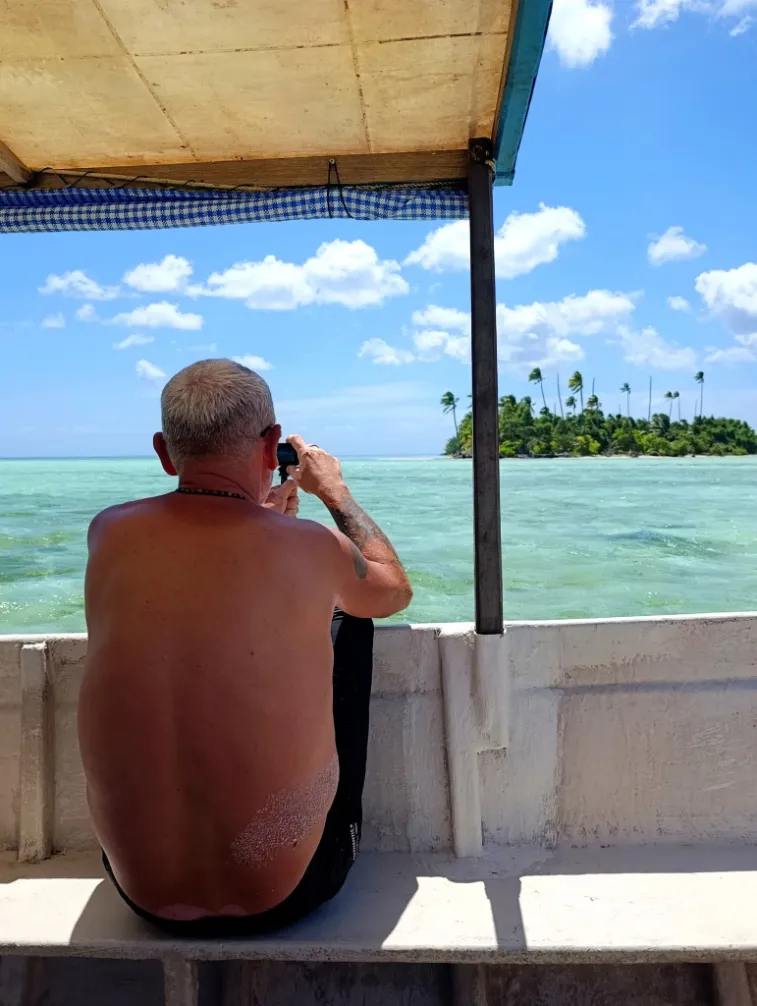
5 Beautiful Islands to Explore During Your Wakatobi Adventure
Wakatobi
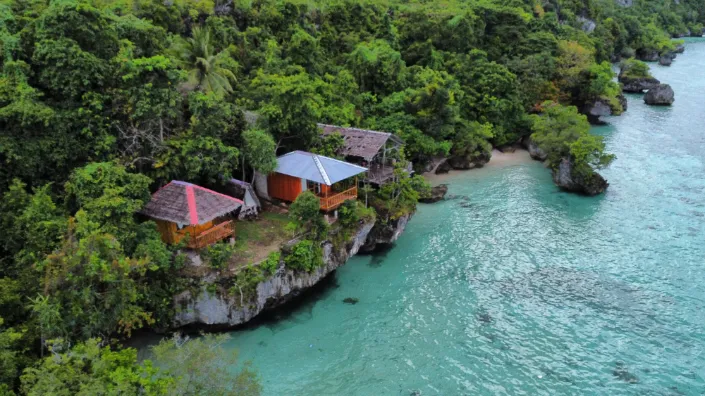
Choosing the Best Wakatobi Islands for Your Travel Experience
Wakatobi
.webp)
Wangi Wangi Island Travel Guide for Starting Your Wakatobi Adventure
Wangi-Wangi, Wakatobi
.webp)
Tomia Island Travel Guide for Exploring Beaches Reefs and Island Life
Tomia, Wakatobi
The Best Beaches and Coastal Destinations to Visit in Wakatobi
Wakatobi