
.webp)
A Complete Wakatobi Diving Guide for Exploring Underwater Reefs
A complete planning framework for Wakatobi diving, from certification and site choice to safety, equipment, and reef care.
Plan a Wakatobi diving trip around diver experience, reef conditions, boat support, equipment, conservation, and realistic island logistics.
Wakatobi diving rewards careful preparation because the underwater experience depends on more than a reef name. Certification, current, depth, visibility, weather, equipment, boat support, guide quality, and conservation rules all shape the dive.
This guide explains how to plan a responsible diving journey while keeping site claims conditional. The operator and dive professional must confirm the final site and profile for the selected date.
Start with Certification and Experience
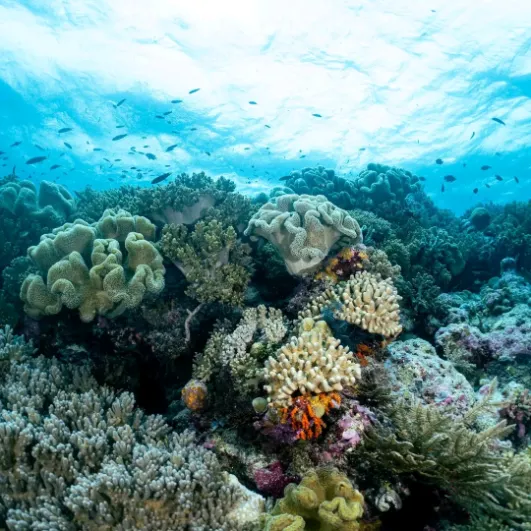
Tell the operator your certification, recent dive history, depth comfort, current experience, and medical considerations. A site that suits an experienced diver may not suit a beginner or someone returning after a long break.
Do not hide limitations to obtain access. Honest information allows the guide to choose a safer profile or recommend training and a different site.
Include the date of the last dive and any relevant change in health or confidence. A certification card alone does not describe recent practice, comfort in current, or the ability to manage a surface problem.
A guide can use this information to match the diver with a suitable profile, but the traveler must still follow the briefing and remain willing to stop. The correct decision may be a simpler dive, a snorkeling alternative, or no entry that day.
Tomia, Hoga, and Named Marine Sites
Tomia and Hoga may fit marine-focused itineraries, while Sombu, Ali Reef, Channel Dive, and Fan 38 are named marine references in the project data. Their actual suitability depends on depth, current, visibility, boat access, equipment, and local assessment.
A destination title is not a dive briefing. Ask what makes the site appropriate for your certification and what alternative is available if conditions change.
Discuss whether the planned profile includes a wall, channel, drift, shallow reef, or another type of underwater terrain, but do not infer technical requirements from a name alone. The dive professional should explain the actual plan for the day.
A named site can also be substituted without reducing the value of the trip. The appropriate reef is the one that allows the guide to control the group safely and lets divers observe without damaging the environment.
Current, Visibility, and Weather
Current and visibility can change the difficulty and quality of a dive. Wind, tide, rainfall, water movement, and recent conditions may affect entry, descent, bottom time, and return to the boat.
The dive guide should review conditions and be willing to cancel, shorten, or substitute a dive. Safety decisions should not be overridden by a promise made in marketing content.
Ask how recent conditions are checked and whether the group receives a briefing before entering the water. Visibility is not only a photography concern; it affects navigation, buddy awareness, distance from coral, and the ability to respond to a changing current.
A site that was comfortable on a previous departure may be unsuitable on the next one. Divers should welcome a different profile when the local assessment shows that it better matches the group and the reef.
Weather planning should include the return to shore and any onward connection. A safe dive can still create an unsafe day if the schedule leaves no time for surface recovery or a delayed boat.
Local conditions should be treated as current evidence, not as a contradiction of an older description. The dive professional has responsibility for the decision on the day, while the article provides planning context only.
That distinction protects both the diver and the destination: a changed plan can be the most responsible result of accurate local knowledge.
A careful diver treats the briefing as part of the experience, not an interruption before the reef.
The final profile should always follow the professional assessment.
Boat Support and Dive Logistics
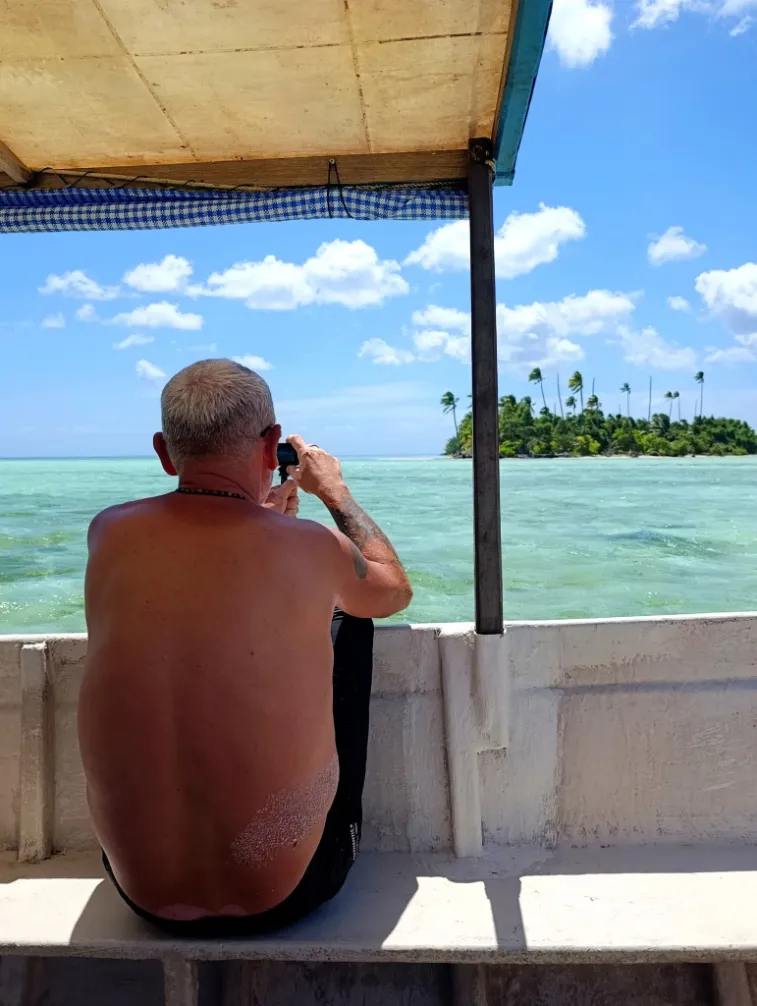
Confirm departure point, boat capacity, surface support, entry method, ladder, oxygen or emergency arrangements, equipment storage, and the route back to shore. Ask how long the transfer takes and whether the boat has shade and drinking water.
Protect rest between dives and avoid an itinerary that forces the group into a rushed return connection. Island logistics are part of dive safety.
Ask how the boat keeps divers together during entry and recovery, where the group waits between dives, and how a diver communicates a problem at the surface. The precise arrangement depends on the operator and vessel, so it must be confirmed rather than assumed.
Luggage and equipment also need a plan. Cameras, medication, documents, and wet gear should be protected from spray and organized so that they do not obstruct movement around the boat.
A dive transfer may be affected by wind, waves, or a delayed connection. Leave enough time to return, eat, rest, and complete any onward movement without making the group rush after a demanding underwater session.
Equipment and Personal Preparation
Confirm what the operator supplies, including BCD, regulator, tanks, weights, wetsuit, mask, fins, computer, and safety equipment. Check sizes and condition before departure. Bring personal medication and disclose allergies or medical needs.
Follow professional advice about hydration, surface intervals, flying after diving, and any health restriction. This article does not replace a dive briefing or medical assessment.
Ask when equipment is checked, how cylinders are handled, and what happens if a size or item is unsuitable. Divers should not enter the water with equipment they cannot use confidently or that has not been explained.
Personal preparation includes more than packing. Tell the operator about recent dive frequency, anxiety, medication, and any limitation that could affect buoyancy, equalization, or stamina. Honest information lets the professional adjust the plan.
Protect cameras, documents, medication, and dry clothing during boat movement. A practical bag arrangement reduces clutter around entry points and helps the crew respond quickly if conditions change.
Do not treat a public travel guide as technical instruction. Certification agencies, medical professionals, and the responsible dive operator remain the appropriate sources for training, health, and safety decisions.
Protecting Wakatobi Reefs
Maintain buoyancy, avoid touching coral, do not kneel on reef, keep equipment secured, and never chase, feed, or collect marine life. Follow mooring and anchoring rules and listen to the guide’s distance instructions.
Conservation is part of the dive experience. A successful dive leaves no physical trace and does not trade reef health for a photograph.
Divers should check dangling gauges, cameras, straps, and hoses before descending. Small pieces of equipment can contact fragile coral when a diver is distracted or compensating for current.
Do not use a reef as a handhold while adjusting equipment. If buoyancy or confidence is not sufficient to remain clear of the bottom, signal the guide and end or change the dive.
The same standard applies at the surface and on the boat. Keep waste contained, avoid dropping objects, and follow instructions about where to enter and exit. Protecting a marine park is a series of ordinary choices repeated throughout the day.
Planning for Non-Divers
A diving trip should include meaningful alternatives for non-divers and mixed-interest groups. Island scenery, beaches, cultural places, photography, and suitable snorkeling may fit around the dive schedule.
Confirm meeting points, return times, supervision, and whether non-divers remain on the same boat or follow a land route.
The alternative should be planned with the same care as the dive. Ask who guides the land activity, where the traveler waits, how meals and water are arranged, and what happens if the boat returns later than expected.
A non-diver may also prefer to share only the transfer and return to shore while the certified group dives. That choice is reasonable when the operator can provide a clear and supervised arrangement.
Mixed-interest planning reduces pressure on divers and non-divers alike. Everyone knows the schedule, and no traveler is pushed into the water or left without a meaningful way to experience Wakatobi.
Final Perspective on Wakatobi Diving
Wakatobi diving is strongest when skill, site, equipment, sea, guide, and conservation are matched carefully. The best itinerary may use fewer sites and more time for safe, attentive dives.
Confirm the real conditions close to departure, trust professional decisions, and treat every reef as a living environment rather than an underwater stage.
A complete dive plan begins before the boat leaves. The operator should know certification, recent experience, health considerations, equipment needs, and the group’s preferred pace. Divers should understand the profile, entry method, buddy arrangements, surface support, and emergency procedure.
Named sites such as Tomia, Hoga, Sombu, Ali Reef, Channel Dive, and Fan 38 should be treated as planning references rather than guarantees. Their depth, current, visibility, and access must be assessed locally for the selected date and diver.
Condition changes are not a marketing failure. A guide may shorten, delay, substitute, or cancel a dive because of wind, current, visibility, equipment, or group ability. Accepting that decision protects divers and reduces pressure on the reef.
Divers should also plan the parts of the day outside the descent. Hydration, surface intervals, shade, food, equipment rinsing or storage, and the return connection all influence safety and comfort. A rushed transfer after a dive can create unnecessary stress.
Reef conservation is practical behavior: maintain buoyancy, keep gauges and hoses from contacting coral, avoid kneeling, secure accessories, and leave wildlife undisturbed. Photography should never take priority over position, breathing, or distance.
A professional dive experience also respects non-divers. They need a clear alternative, meeting place, supervision plan, and return time rather than being treated as passengers waiting for the main activity to finish.
The best memory from Wakatobi is not necessarily the deepest or most dramatic dive. It may be the dive in which the group stayed within its ability, followed local knowledge, saw the reef without touching it, and returned with a more careful understanding of marine travel.
Divers should ask how the operator checks cylinders, regulators, buoyancy equipment, weights, masks, and emergency gear before departure. The exact equipment list and condition must be confirmed locally; a public article should not imply that every operator provides the same kit.
Plan the day around safe intervals and professional advice. Do not use a destination guide to replace a formal dive briefing, certification requirement, medical assessment, or instruction from the responsible dive professional.
A site can be scientifically or photographically famous and still be unsuitable for the group. The guide’s assessment of current, depth, entry, exit, and diver control should determine the final profile.
The Wakatobi National Park context makes every diver part of a wider conservation story. Secure cameras and hoses, avoid contact with coral, do not collect material, and leave animals free to behave naturally.
Good dive writing respects uncertainty because underwater conditions are real, not decorative. It gives readers enough information to ask responsible questions while leaving the final decision to current local expertise.
When divers return to shore, they should know which choices made the experience safer and lighter on the reef. That understanding is a better measure of a complete Wakatobi diving journey than the number of sites recorded.
Frequently Asked Questions
Which Wakatobi islands are best for diving?
Tomia and Hoga may suit marine-focused divers, while other named sites can be considered according to certification, depth, current, visibility, boat access, and local assessment.
Do I need certification to dive in Wakatobi?
Certification requirements depend on the activity and operator. Disclose your experience honestly and confirm the required qualification before booking.
What happens if conditions are poor?
A professional operator may delay, shorten, substitute, or cancel a dive when weather, current, visibility, equipment, or safety conditions are unsuitable.
Plan your journey with Laode Traphel.
You May Also Like
.webp)
The Best Marine Experiences to Discover Across Wakatobi
Wakatobi
.webp)
The Best Muna Island Experiences for Nature and Adventure Travelers
Muna
The Best Caves and Natural Attractions to Explore Around Baubau
Baubau, Buton
10 Amazing Places to Explore in Wakatobi for an Unforgettable Journey
Wakatobi
A Complete Wakatobi Travel Guide for Exploring Islands Reefs and Culture
Wakatobi
5 Beautiful Islands to Explore During Your Wakatobi Adventure
Wakatobi