
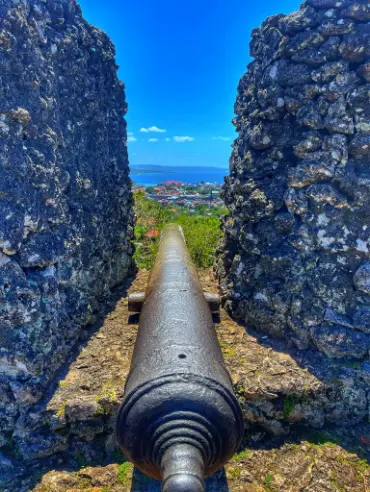
The Best Caves and Natural Attractions to Explore Around Baubau
A practical and research-led guide to Baubau karst, caves, coastal geology, physical preparation, and responsible nature travel.
Plan a Baubau nature route around limestone landscapes, caves, access conditions, local interpretation, weather, and conservation rather than a rushed attraction checklist.
Baubau is a useful starting point for understanding the natural side of Buton because the city sits within a wider island landscape shaped by limestone, coast, water movement, and human settlement. A cave route can be adventurous, but it is also an exercise in careful observation. Visitors need to understand the difference between a cave that is suitable for a short guided visit, a wet or uneven route that requires more preparation, and a sensitive natural or cultural surface that should be viewed from a controlled distance.
This guide does not treat every cave or natural attraction as an interchangeable photo stop. It explains how to research a route, ask for current access information, prepare the body and equipment, and protect geology, water, vegetation, and community spaces. The project destination data and regional context provide the editorial foundation, while a local operator must confirm the exact destination, guide, weather condition, fee, facility, and activity on the selected date.
Why Baubau Nature Travel Starts with Karst
The natural attractions around Baubau are easier to understand when travelers recognize the role of karst. Limestone landscapes can create caves, rock shelters, cliffs, sink-like depressions, coastal formations, and underground water movement. These features are not simply decorative scenery. They are the result of long geological processes and can be connected to plants, bats, groundwater, archaeological evidence, and local stories. A route through karst therefore combines landscape appreciation with a duty not to damage surfaces or disturb the environment.
Karst also explains why two natural attractions can feel very different even when they are geographically close. One cave may be dry and open, another may involve damp ground or water, while a third may be important because of cultural evidence rather than physical scale. Travelers should ask what the primary value of a site is before including it in an itinerary. A place described as a cave can support photography, geology, adventure, heritage interpretation, or a short landscape stop, and those experiences require different preparation.
A research-led guide must avoid claiming that every limestone formation has the same origin, age, or ecological function. General karst context can be explained, but a precise statement about a particular cave should come from a reliable site study, official information, or a trained local interpreter. When the available evidence is limited, the article should identify the limit instead of filling it with an attractive legend presented as fact.
This is also why a local guide matters. A guide can identify a safe route, explain where visitors may stand, notice changes after rain, and describe whether a surface is fragile or culturally significant. The guide is not only someone who leads a group from one point to another. Local judgment is part of the information needed to visit a cave responsibly.
How to Compare Caves and Natural Attractions
Compare natural attractions by purpose rather than by a permanent beauty ranking. Ask whether the group wants a cave interior, a karst viewpoint, a coastal rock formation, a freshwater setting, a forested walk, or a short nature stop between cultural activities. The route should then be checked against walking ability, time, weather, access, and the group’s tolerance for darkness, dampness, uneven ground, or boat movement.
A useful comparison records five things: how the group reaches the site, what physical movement is required, what the main evidence or attraction is, what rules apply, and what happens if the route is unavailable. This method is more honest than copying a list of names. It also helps families and mixed groups decide whether an active cave visit should be combined with a shorter viewpoint or a city and heritage route.
Ask whether the destination is naturally open, community-managed, privately coordinated, or within a protected arrangement. Each status can affect access and visitor behavior. A natural attraction may have no formal facilities even when it appears in online content. Do not assume that a photographed entrance has a maintained path, lighting, toilets, food, or emergency support.
The comparison should include recovery time. A cave that takes little time to enter may still require concentration and careful footing. A long road or boat transfer may make a short walk feel more demanding. The right attraction is the one the group can experience attentively without rushing, exhaustion, or pressure on a guide to extend the route beyond safe limits.
Cave Access and Physical Conditions
Cave access should be described in practical language. Travelers need to know whether the approach includes stairs, loose rock, mud, low ceilings, water, slippery surfaces, exposed heat, or a boat landing. These details can change after rainfall or maintenance. A general statement that a cave is easy is not enough for a person with mobility needs, a child, or a traveler who is uncomfortable in darkness.
Ask the operator to explain where the vehicle stops, how far the group walks, what footwear is suitable, and whether the route has a safe place to pause. A guide should know the current condition rather than relying only on an old photograph. If the route is wet, ask whether the group needs clothing that can become dirty or damp and how electronic equipment is protected.
Do not bring equipment that encourages visitors to touch or climb. Tripods, bags, lights, and cameras should be used only where they do not block the route or contact rock surfaces. A headlamp may be useful when the operator recommends it, but visitors should not assume that entering an unlit section is appropriate simply because they have a strong light.
Physical difficulty also includes the journey before the cave. Heat, vehicle movement, boat transfer, and a late meal can affect balance and attention. Schedule water, food, rest, and medication. A traveler who is tired is more likely to slip, step outside the route, or miss an instruction about a fragile surface.
Reading a Cave as a Living Environment
A cave is an ecosystem as well as a geological space. Water moves through it, animals may use it, and the temperature and humidity can create conditions different from the outside landscape. Bats, insects, roots, mineral deposits, and underground water should be observed without disturbance. Visitors should not shout to create an echo, handle animals, shine lights directly at wildlife for a photograph, or leave food behind.
The cave may also be connected to a wider watershed. Waste, soap, fuel, or careless movement near water can have consequences beyond the room where a visitor sees it. Follow instructions about where to walk, where to wash equipment, and how to carry waste out. A cave route should leave no new mark on the water, rock, or living environment.
Some cave surfaces grow or change slowly. Mineral deposits, formations, and damp walls may appear durable but can be altered by touch, oils, mud, or repeated pressure. Do not lean against a wall, carve a name, take a fragment, or move a stone without permission. A guide’s instruction to keep distance should be followed even when the surface appears ordinary.
Interpretation should distinguish observation from certainty. A guide may explain a local name, a natural process, or a story connected to the cave. Visitors can listen respectfully while asking whether a statement is research, oral tradition, or local interpretation. That distinction makes the visit more accurate and gives local knowledge proper respect.
Baubau Nature Routes for Different Travelers
A first-time visitor may benefit from a route that combines one manageable natural attraction with Baubau heritage and a coastal viewpoint. This structure gives the group context and allows the operator to observe how everyone manages heat, walking, and uneven ground before adding a more demanding cave. A longer nature route can then be planned with better information about the group’s ability.
Families should ask about low-risk observation points, shade, toilets, food, and an activity for anyone who chooses not to enter the cave. Children need direct supervision around holes, water, low ceilings, slippery rock, and boat landings. A family route should not use a child’s enthusiasm as evidence that an unassessed cave is suitable.
Photographers may want longer pauses, but equipment should never take priority over a guide’s route or conservation rules. Ask where a tripod can stand, whether flash is allowed, and whether recognizable people or private spaces may be photographed. A good photograph is not worth blocking a narrow path or bringing a camera close to a sensitive surface.
Adventure travelers should be honest about experience. A desire for exploration does not replace a guide, safety assessment, or appropriate equipment. A challenging route may be unsuitable after rain or for a group with limited time. The strongest adventure is one in which the group matches the environment and returns without damage or avoidable risk.
Weather and Seasonal Uncertainty
Rain can change a cave route quickly. It may make an approach slippery, raise water levels, reduce visibility, or close a narrow passage. Heat can also affect a nature day because outdoor approaches and exposed limestone reflect sunlight. Travelers should check official weather information and ask the local operator how recent conditions affect the exact cave or attraction.
Do not assume that a dry forecast guarantees a dry cave. Water can remain in a route after earlier rain, and local conditions may differ from a general city forecast. The guide should assess the actual entrance and decide whether the planned route is suitable. A responsible decision may shorten the visit, replace the cave, or move the activity to another day.
Build an alternative that matches the group’s purpose. A coastal viewpoint, heritage interpretation, city route, or less demanding nature stop may preserve the day when a cave becomes unsafe. The alternative should be coordinated rather than invented at the last minute, especially if it requires a host, boat, entrance arrangement, or special guide.
Travelers should also protect their own equipment from weather. Use suitable bags for rain and mud, keep medication accessible, bring spare clothing, and wear footwear that can handle the confirmed surface. Preparation supports flexibility, but local judgment still decides whether a route should proceed.
Heritage, Archaeology, and Natural Caves
Not every cave is a heritage site, but every cave should be approached with the possibility that natural and cultural evidence may exist together. Rock art, tools, burial evidence, modified surfaces, historic use, or local sacred meaning can change the rules for access and photography. Travelers should not touch, wet, trace, scratch, or mark any surface and should ask before moving near an object that may be important.
A heritage claim should be tied to evidence. If an official source or research paper documents a motif, occupation, or site history, the article can explain that finding with appropriate limits. If a local story is being shared, identify it as local interpretation rather than turning it into a proven archaeological conclusion. This distinction protects the credibility of both research and community knowledge.
Visitors should follow restrictions about age, group size, light, flash, distance, and route. A sensitive surface may need controlled access even when the cave itself is open. Never publish an exact location or access method if doing so could increase pressure on a vulnerable site without the agreement of managers or local custodians.
The value of a heritage cave is not measured by how close a camera can get. It is measured by what a traveler understands and by whether the surface remains protected after the visit. A guide who limits movement is helping preserve the evidence that makes the destination meaningful.
Local Guides and Community Coordination
Local guides can provide the most current information about a cave entrance, route condition, weather response, community boundaries, and appropriate behavior. Ask who leads the visit, what training or local role they have, and what the service includes. A guide should be able to explain the route before the group enters and communicate a clear decision when the conditions are unsuitable.
Community coordination matters where a natural attraction is near homes, working land, a boat landing, or a culturally important place. Visitors should not enter private areas, photograph residents without permission, or treat local stories as content that belongs to the traveler. Ask before recording voices, faces, food preparation, ceremonies, or work.
Payment and contributions should be transparent. Confirm whether the price includes a guide, local transport, entrance arrangement, equipment, or community service. Do not publish a fixed amount unless it is current and verified. Clear arrangements help travelers understand the service and prevent hosts from being expected to provide unpaid access.
A respectful visit also allows the host to set the pace. The group may want more photographs, but a guide may need to move before rain, avoid a fragile surface, or protect another visitor. Local authority is part of the attraction’s management and should not be overridden by an online itinerary.
Packing, Safety, and Emergency Thinking
Pack according to the confirmed route: footwear with grip, water, sun and rain protection, personal medication, spare clothing, a small first-aid kit, and a secure bag for electronics. Ask whether the operator supplies lights, helmets, flotation, or other equipment and whether it is suitable for the group. Do not assume that a natural attraction has a shop or replacement gear nearby.
Tell the operator about asthma, allergies, balance issues, heat sensitivity, pregnancy, recent injury, or any condition that can affect the route. This information is private but important for planning. A guide can recommend a different attraction or a shorter route when the group’s needs make the original plan unsuitable.
Before entering, identify the meeting point, the person responsible for the group, the route boundaries, and what happens if someone turns back. Keep the group together and do not let a confident traveler move beyond the guide. If a person feels dizzy, panicked, cold, or injured, tell the guide immediately and stop rather than treating the problem as an inconvenience.
Emergency planning is not a reason to make dramatic claims about danger. It is a reason to ask simple questions: how the group communicates, where the vehicle or boat waits, what signal means stop, and what the operator does if weather changes. The answers should come from the current local team.
A Balanced Baubau Nature Itinerary
A balanced first itinerary might begin with Baubau orientation and heritage context, continue to one confirmed natural attraction, and reserve time for a coastal or city route that does not require the same physical effort. This gives the group a way to enjoy Buton even if rain or access changes the cave plan. The exact order must follow current transport, guide availability, and weather.
A more active route can include a cave and a second landscape, but the group should not confuse the number of names with the quality of the day. Every additional transfer consumes time and energy. A guide needs enough time to brief the group, and travelers need enough time to observe rather than hurry from one entrance to the next.
Use a primary, secondary, and optional structure. The primary attraction is the reason for the route. The secondary option is a confirmed alternative if the first site is unavailable. Optional stops are used only when the group has rested and the guide says that adding them is practical. This structure protects the itinerary from becoming a chain of forced decisions.
At the end of the day, leave time for cleaning footwear, drying clothing, eating, taking medication, and confirming the next transfer. Practical recovery is part of nature travel. It helps the group remain attentive and reduces the pressure to rush through the next location.
Questions Before Booking a Cave Route
Ask for the exact cave or natural attraction name, the access method, the current route condition, the physical demands, the guide arrangement, and the expected group size. Confirm whether the route involves water, darkness, low ceilings, stairs, climbing, mud, or a boat. If the answer is general, ask for a more specific description before deciding.
Ask what is included in the price and which costs are separate. Confirm transport, guide, equipment, entrance or community arrangements, food, water, and any photography rule. Do not rely on a broad package title to prove that a particular cave or attraction is included.
Ask how weather changes are handled and who makes the final decision. The best answer identifies a substitute and explains whether the group can reschedule, change destination, or receive another arrangement. Travelers should understand that a cancellation may protect the site and the group.
Finally, ask whether the place has cultural, archaeological, ecological, or community restrictions. A route can be adventurous and still require quiet movement, limited light, no flash, no photography, or a controlled group size. Those rules are part of the experience and should be explained before arrival.
Final Perspective on Baubau Caves and Nature
Baubau’s natural attractions become more meaningful when travelers see the relationship between karst, water, coast, heritage, and local life. A cave is not simply a dark room for a photograph. It can be a geological record, an ecosystem, a water environment, a cultural place, or a community-managed route. Each possibility changes how visitors should prepare and behave.
The most reliable information combines regional research, official tourism or heritage context, project destination data, weather information, and current advice from local guides. Stable context can explain why a landscape matters. Current local confirmation must establish whether a route is open, safe, accessible, staffed, and appropriate for the group on the selected date.
Travelers should choose fewer natural attractions when that gives the guide and the environment more room. Walk carefully, keep equipment away from surfaces, leave wildlife undisturbed, carry waste responsibly, ask before photographing people, and accept a weather-related change. These actions are not separate from adventure. They are the discipline that makes adventure possible without damaging the destination.
A well-planned Baubau nature route ends with better understanding rather than a longer checklist. The group has learned how limestone shapes the island, how local people manage access, how weather changes a cave, and why conservation limits matter. That is a stronger travel story than a promise that every cave can be entered whenever a visitor arrives.
Frequently Asked Questions
What natural attractions can be explored around Baubau?
Travelers can consider caves, limestone landscapes, coastal formations, viewpoints, and other local nature routes, but exact destinations, access, and current conditions must be confirmed with a local operator.
Are Baubau caves suitable for children and families?
Some routes may suit families, while others involve darkness, slippery ground, water, low ceilings, or uneven access. Ask for a specific physical description and plan direct supervision.
What should I bring for a Baubau cave route?
Bring confirmed footwear with grip, water, sun and rain protection, medication, spare clothing, and secure protection for electronics. Confirm any supplied equipment before departure.
Can rain change a cave itinerary?
Yes. Rain can affect entrances, footing, water levels, roads, and visibility. The guide should assess the actual route and may shorten, substitute, or postpone the visit.
Plan your journey with Laode Traphel.
You May Also Like
.webp)
A Complete Wakatobi Diving Guide for Exploring Underwater Reefs
Wakatobi
.webp)
The Best Marine Experiences to Discover Across Wakatobi
Wakatobi
.webp)
The Best Muna Island Experiences for Nature and Adventure Travelers
Muna
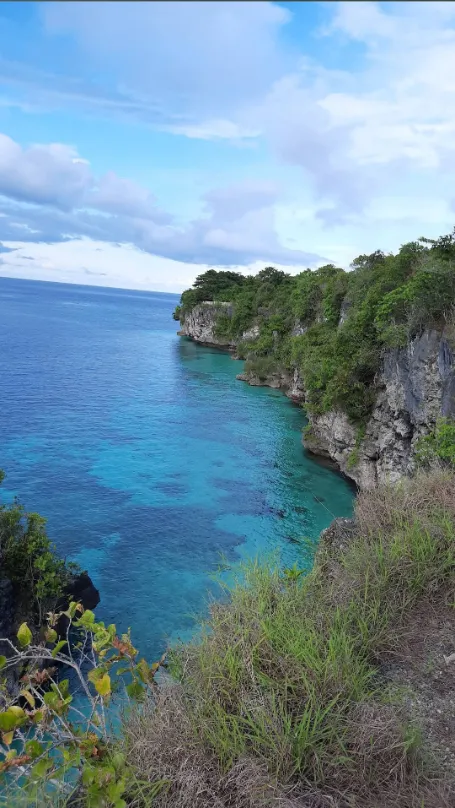
10 Amazing Places to Explore in Wakatobi for an Unforgettable Journey
Wakatobi
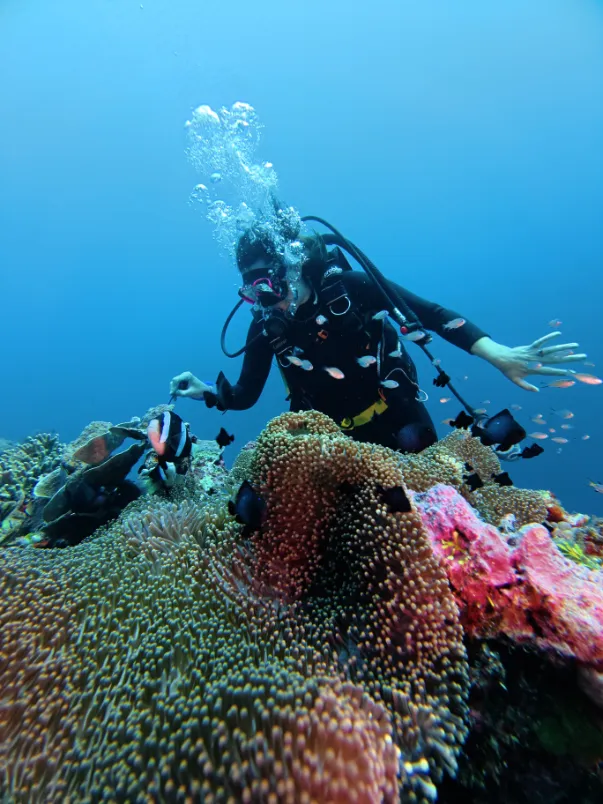
A Complete Wakatobi Travel Guide for Exploring Islands Reefs and Culture
Wakatobi
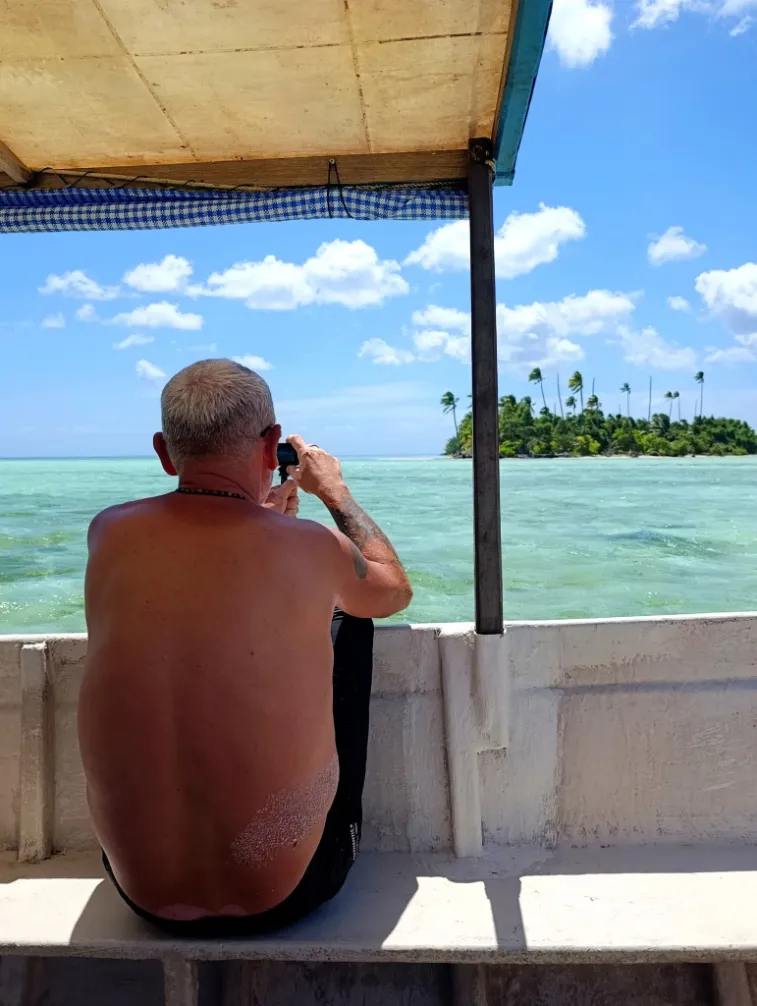
5 Beautiful Islands to Explore During Your Wakatobi Adventure
Wakatobi