
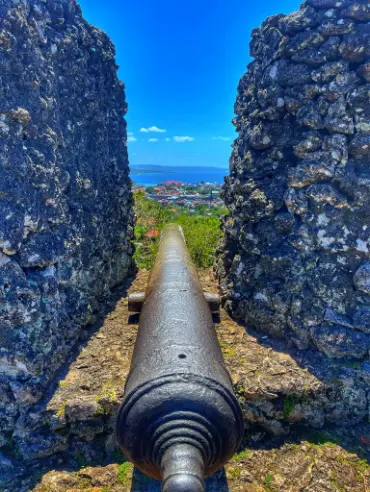
The Best Cultural and Historical Destinations to Visit in Buton
A careful guide to Buton heritage, Baubau history, local interpretation, photography consent, and responsible cultural travel.
Understand Buton cultural and historical destinations through documented heritage, local voices, route planning, and respectful visitor behavior.
Buton cultural travel begins with the recognition that history is not a decorative layer placed over a beach itinerary. The island and Baubau hold a heritage story connected to the Buton Sultanate, settlement, sea routes, authority, religion, architecture, family memory, and contemporary community life. Travelers can visit historic places, but they should also learn how to distinguish documented history, local interpretation, oral memory, and the visitor’s own assumption.
This guide is written for travelers who want a meaningful cultural and historical route rather than a list of photographs. It explains how to plan a visit, how to ask for interpretation, how to behave around heritage spaces and residents, and how to keep claims accurate. Current opening conditions, guides, fees, community hosting, and photography permissions must be confirmed locally.
Why Buton Heritage Requires Careful Reading
Heritage places contain more than visible walls, gates, views, or objects. They are evidence within a longer history, and they may still have religious, family, political, or community meaning. A visitor who arrives only to take a photograph can miss the relationships that make a place important. A visitor who listens to a guide can understand how architecture, sea routes, settlement, and authority are connected.
The first responsibility is to avoid turning a complex history into a slogan. A travel page should identify which information comes from an official heritage source, which comes from research, and which is a local explanation. These sources can support one another, but they do not have identical methods or authority. A local story should not be dismissed because it is oral, and it should not be presented as an archaeological fact without evidence.
The second responsibility is to avoid treating historic space as an unrestricted photo studio. Some places may remain in use, some areas may be private, and some objects or surfaces may be vulnerable. Ask where visitors may walk, whether shoes or clothing need to be adjusted, and whether photography or recording is permitted.
The third responsibility is to plan enough time. Heritage interpretation cannot be compressed into the few minutes left after a beach or boat transfer. The group needs time to arrive, listen, ask questions, move carefully, and leave without pressuring the guide or host.
Baubau and the Buton Sultanate Landscape
Baubau is central to many Buton heritage routes because it is an urban setting where history, administration, coastal movement, and daily life meet. The heritage landscape associated with the Buton Sultanate gives travelers a framework for understanding the island’s historical identity. A visit should not be reduced to the claim that a fort or old settlement is simply ancient. The guide should explain what is known about its role, what has changed, and how people relate to the place today.
Travelers should ask whether a heritage route includes the Keraton Buton area, other historic structures, viewpoints, museums, religious places, or community spaces. The exact sequence and availability may change. A public description can identify the historical theme, while a current operator or local guide confirms which places are open and how the group should enter.
Baubau’s urban character is part of the interpretation. Streets, homes, boats, markets, and public spaces show that heritage is not isolated from contemporary life. Visitors should not block paths, photograph residents without permission, or assume that every person in a historic setting has agreed to appear in travel content.
A good route gives travelers time to compare the historic landscape with the surrounding coast and settlement. The sea is not only scenery; it helps explain movement, exchange, and the practical geography of an island polity. The guide should be allowed to make those connections in a way that reflects current local knowledge.
Documented History and Local Interpretation
Cultural travel becomes more reliable when the visitor asks where a statement comes from. Official heritage records may describe a site’s recognized significance and management. Academic research may examine texts, architecture, archaeology, or regional history. A local guide may share family memory, place names, oral history, or community interpretation. Each can be valuable, but a careful article should not merge them into one undifferentiated fact.
Travelers can ask respectful questions such as: Is this information documented in a heritage record? Is it a local story? What remains uncertain? Who has studied or cared for the place? These questions should invite explanation rather than challenge a host’s authority. The purpose is to understand the layers of knowledge, not to force every story into a single type of proof.
Writers should be especially cautious with dates, titles, origin stories, and claims of uniqueness. A historic site may be important without being the oldest, largest, or only example of something. If research does not support a superlative, do not publish it as fact. Accurate language remains useful even when it sounds less dramatic.
The same care applies to translation. A local term may carry meanings that do not fit neatly into one English word. Ask the guide how a name is used and retain the original term when appropriate. Translation should help understanding, not erase local identity.
Visiting Historic Structures Respectfully
Before entering a historic structure, ask about footwear, clothing, photography, touch, and the route. Do not lean against walls, climb over barriers, sit on protected surfaces, or move objects. A surface that appears strong may be vulnerable to repeated contact, moisture, oils, or vibration. Follow signs and guide instructions even when another visitor ignores them.
Keep voices low when requested and do not interrupt prayer, work, ceremony, study, or family activity. A heritage space may be open to visitors while still serving a living purpose. Ask whether a particular room, doorway, courtyard, or object is public, restricted, or private.
Photography should never override interpretation or access. Do not use flash where it is prohibited, block a narrow route for a long exposure, or pressure a host to repeat an action for the camera. If an image includes a recognizable person, ask permission and explain if it will be used for commercial promotion.
Leave the site as you found it. Do not take fragments, stones, wood, textiles, or other material. Do not write names or dates. The value of a heritage destination comes from its continued integrity and meaning, not from what a visitor can remove.
Culture Is More Than a Performance
Travelers may encounter ceremonies, food, music, clothing, crafts, stories, or daily work during a Buton route. These should not automatically be described as a performance arranged for visitors. A cultural expression may be part of worship, family life, community work, or a specific event. Ask what the activity is, who has invited the group, and what participation is appropriate.
If a performance or demonstration is formally arranged, confirm what the fee supports and whether recording is permitted. Do not publish faces, names, or identifiable details without consent. Commercial use creates a different expectation from a personal holiday photograph, so explain the intended use before requesting permission.
Food can also carry cultural meaning. Ask before photographing preparation, people, or private meals. Avoid presenting a single dish or household practice as the complete cuisine of Buton. Local hosts can explain what is ordinary, ceremonial, regional, or personal.
The visitor’s role is to listen and participate within the terms set by the host. A quiet conversation can be more meaningful than a staged image, especially when it helps the traveler understand how history continues in everyday relationships.
Planning a Heritage Route Around the Coast
Buton heritage can be connected to coastal travel because settlement, trade, defense, food, transport, and identity have developed around the sea. A route may begin in Baubau, include a historic place, continue to a shoreline or boat route, and finish with local interpretation. The exact sequence should follow current access and the group’s pace rather than a fixed promise.
Ask the operator how much time is needed at each site and whether the group moves by vehicle, foot, or boat. Keep a buffer between a heritage visit and a critical connection. A delayed explanation or a longer walk should not force the group to abandon safety or leave a host abruptly.
A coastal heritage route must also account for weather. Rain can affect walking surfaces, boat movement, and the comfort of waiting outside. Heat can reduce attention during interpretation. Schedule water, shade, food, and rest. The best historical experience is one in which the group can listen carefully.
If the sea becomes unsuitable, a city or inland heritage alternative may preserve the cultural purpose of the day. Agree on this possibility before departure and allow the local guide to explain which substitute has real access and meaning.
Community Consent and Photography
Ask before photographing people, homes, boats, work, religious activity, children, or private spaces. A public street does not mean every person is available for a commercial image. Explain whether the image will be used on a website, social media, advertising, or a personal archive. Consent should be specific enough for the person to understand the request.
Respect a refusal immediately. Do not ask another person to pressure a host or offer payment in a way that makes refusal difficult. If a group photograph is arranged, confirm whether every participant agrees and whether publication is permitted.
Captions should be accurate and modest. Do not identify a person by name, occupation, ethnicity, or role unless that information is confirmed and appropriate to publish. Do not use a photograph of one family or village to represent all Buton communities.
Responsible publication is part of responsible travel. An image can travel farther than the original visit and may be seen without the context in which permission was granted. Keep the description respectful, do not sensationalize poverty or difference, and correct the page if a community explains that a caption is wrong.
Access, Guides, and Current Conditions
Heritage access can change because of maintenance, ceremonies, conservation, weather, staffing, or community decisions. Confirm the current opening condition, guide availability, entrance arrangement, photography rules, and physical access before publishing a route. Do not copy old prices or opening times into a current article without checking them.
Ask whether the guide is included in the package and what language or interpretation is available. A guide should explain the route and boundaries before the visit. If the group has children, older travelers, mobility needs, or a language concern, discuss it in advance.
A historic place may be accessible from a city but still require stairs, uneven ground, heat exposure, or a slow walk. Ask for a practical description rather than relying on the label accessible. The group can then decide whether to shorten the route or choose a different site.
Current confirmation also protects communities. A group should not arrive at a home, ceremony, or small heritage space without a host knowing the visit is planned. Coordination makes the encounter more comfortable for everyone.
A Practical Buton Culture Itinerary
A first cultural route can begin in Baubau with an orientation to the Buton Sultanate heritage landscape, continue through one carefully interpreted historic site, and add a coastal or community experience only when it has been coordinated. This structure gives the group a clear theme without forcing every possible destination into one day.
A longer route can alternate heritage, coast, food, and local life with rest. The order should be based on current access, guide schedules, weather, and the group’s physical comfort. More stops do not automatically produce deeper understanding. Time for questions and reflection is part of the itinerary.
Use a primary and alternative plan. The primary may be a heritage site that the group especially wants to understand. The alternative may be another historic space, a guide-led city route, or a coastal interpretation if weather affects the original visit. Optional stops should be added only when the group and host have capacity.
At the end of the journey, record what was directly observed, what the guide explained, and what remains a question. This habit keeps later writing accurate and prevents one short encounter from becoming a sweeping claim about Buton culture.
Questions Before Booking a Cultural Visit
Ask the exact heritage destination, who provides interpretation, what the visit includes, and which spaces are open. Confirm current fees, transport, physical demands, clothing expectations, photography rules, and whether a community host has approved the visit.
Ask whether an activity is a normal community practice, a hosted demonstration, a ceremony, or a formal performance. The distinction helps travelers behave appropriately and prevents marketing language from turning living culture into a display.
Ask what happens if the place is closed, a ceremony changes, rain affects access, or a host is unavailable. The alternative should respect the original purpose and should not be described as equivalent if it is not.
Finally, ask how images and recordings may be used. Confirm whether commercial publication is allowed and who should be credited. The answer should be respected after the visit, not only during the request.
Final Perspective on Buton Heritage
Buton cultural and historical travel is strongest when visitors see heritage as a living relationship between place, memory, sea, architecture, community, and contemporary life. The Buton Sultanate context gives the route historical depth, while Baubau provides a practical and urban setting in which travelers can begin to understand that history.
A reliable article separates documented information from oral interpretation and current operations. Official heritage records, academic research, tourism information, project destination data, and local guides each contribute something different. None should be stretched beyond what it can support.
Travelers should ask before photographing, listen before summarizing, and accept restrictions around spaces, objects, ceremonies, and people. They should choose a pace that leaves room for interpretation and should allow local conditions to change the route. These habits protect both the destination and the credibility of the journey.
The best cultural visit does not leave with the most images. It leaves with a more accurate understanding of why the place matters, who continues to care for it, and how a visitor can move through it without taking control of the story. That is the standard a Buton heritage itinerary should set.
Frequently Asked Questions
What cultural history is Buton known for?
Buton is strongly associated with the history and heritage landscape of the Buton Sultanate, especially around Baubau. The exact interpretation should come from current heritage information and local guides.
Can visitors photograph Buton heritage sites?
Photography rules vary by site. Ask before photographing people, objects, ceremonies, private areas, or any protected surface, and confirm whether commercial publication is allowed.
How should visitors approach local cultural experiences?
Arrive through a coordinated host or guide, listen, follow local boundaries, avoid interrupting work or worship, and do not treat residents as scenery or a guaranteed performance.
What should be confirmed before booking?
Confirm exact sites, guide, access, current fees, transport, physical requirements, clothing expectations, photography rules, host approval, and alternatives for weather or closure.
Plan your journey with Laode Traphel.
You May Also Like
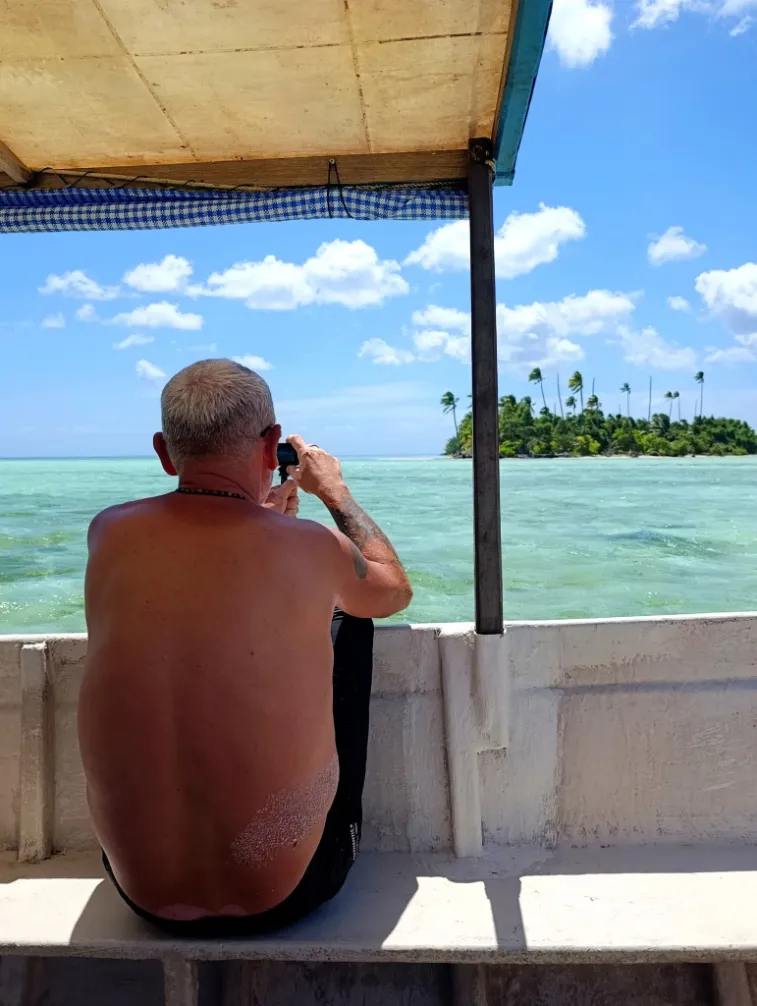
Binongko Island Travel Guide for Discovering Traditional Island Culture
Binongko, Wakatobi
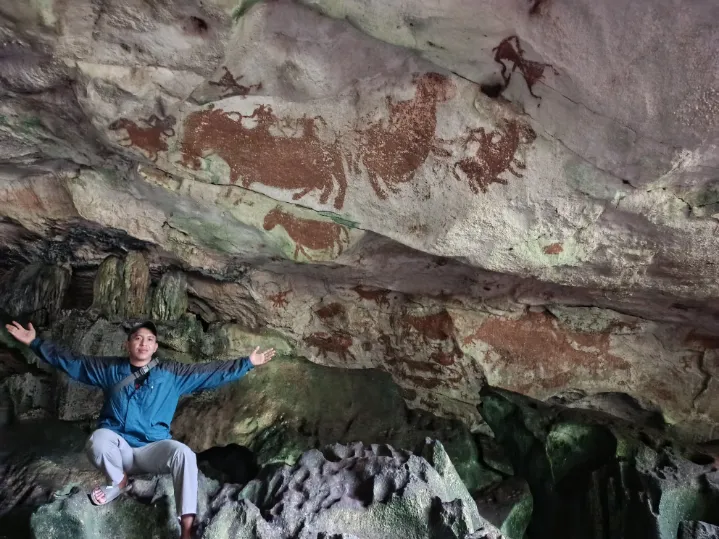
Exploring Ancient Cave Art and Cultural Heritage on Muna Island
Muna
.webp)
The Best Cultural and Historical Experiences to Discover on Muna Island
Muna
.webp)
The Most Beautiful Caves and Ancient Heritage Sites on Muna Island
Muna
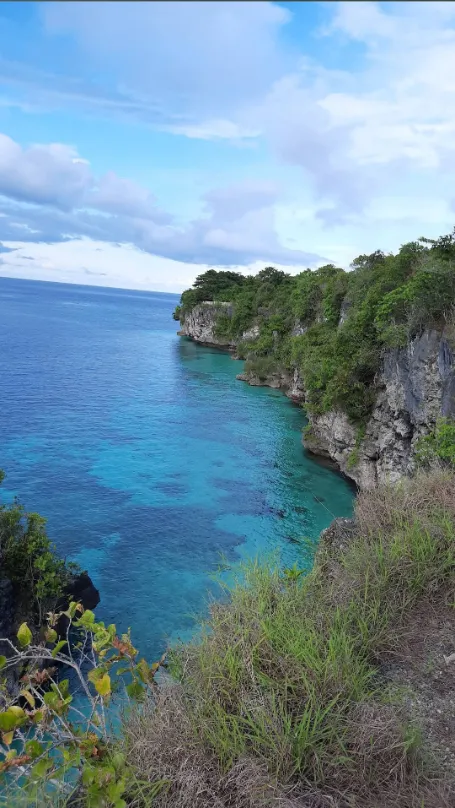
10 Amazing Places to Explore in Wakatobi for an Unforgettable Journey
Wakatobi
A Complete Wakatobi Travel Guide for Exploring Islands Reefs and Culture
Wakatobi