
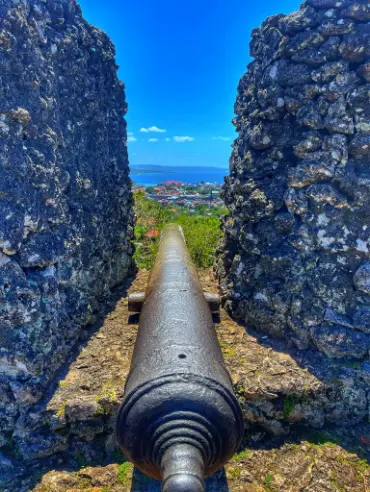
The Best Beaches and Island Experiences to Discover Around Buton
A careful comparison of Buton beaches, small-island routes, coastal communities, boat logistics, and responsible island travel.
Choose a Buton beach or island experience by comparing shore type, access, sea conditions, community use, travel pace, and the needs of your group.
Buton beach travel is most useful when the word beach is treated as a starting question rather than a complete description. A sandy shore, a rocky coast, a village waterfront, a small island landing, and a reef edge may all appear in a travel photograph, but they support different activities and require different behavior. Some are suitable for a quiet walk or photography. Others may be connected to boats, fishing, heritage, snorkeling, or a community route. The right experience depends on the group and the current condition of the exact place.
This guide compares Buton beaches and island experiences through access, pace, sea conditions, local use, heritage context, and conservation. It does not publish unsupported travel times or promise that a particular shore will be open or safe for swimming on every date. Those details must be confirmed with a local operator and, for marine movement, checked against current weather and sea conditions.
A Beach Is a Type of Place, Not a Product Guarantee
Travelers often choose a beach from an image because the image appears to answer every question at once. It shows water, sand, light, and perhaps a boat, but it does not show tide, depth, current, walking surface, shade, toilets, food, boat traffic, or the people who use the shore. Before selecting a Buton beach, ask what the shore is used for and what kind of day it can actually support.
A family may need a manageable landing, shade, supervision, and an alternative for a child who does not swim. A photographer may prefer a quieter shore and longer time with changing light. A marine traveler may care about the boat route or reef edge more than the sand. A traveler interested in local life may want to understand a working coast rather than sit at an isolated viewpoint. These are different beach experiences, and a responsible article should not flatten them into one ranking.
The exact shoreline should be identified in the booking discussion. Ask whether it is sandy, rocky, reef-fringed, used for boats, close to a village, or reached by a path. Ask how the group returns and where wet equipment or luggage remains. These questions help prevent a mismatch between an online image and the real route.
A beach recommendation becomes stronger when its limits are clear. It can invite travelers to enjoy a coast while stating that water conditions, access, facilities, fees, and local permissions require current confirmation. That is more useful than promising an ideal day that no operator can guarantee.
Choosing Between a Beach Day and an Island Day
A beach day usually focuses on one shoreline and the activities possible there. An island day may include a boat transfer, a landing, several coastal views, a village or working shore, and time spent moving between places. The second can be memorable, but it also creates more points where weather, loading, capacity, tide, and group energy influence the route.
Choose a beach day when the group wants recovery, photography, a simple coastal walk, or a manageable water activity. Choose an island experience when the group has enough time to understand the route and is comfortable with boat movement. Do not select island hopping simply because it creates a longer list of names. Every transfer consumes part of the day and can reduce the time available for the places themselves.
Ask the operator how many landings are realistic and whether luggage stays on the boat. Confirm where the group eats, rests, and waits between activities. A boat may provide shade and water, but that should be verified. A small island may have no shop, toilet, or changing space at the point where visitors land.
The right choice depends on the least confident traveler. A group may be able to enjoy a small island route if a non-swimmer has a supervised plan and a child has a safe way to wait. If those arrangements are unclear, a shorter beach route may create a better experience for everyone.
Baubau as the Organizing Point
Baubau can help travelers organize a wider Buton route because it brings together urban services, historical context, local transport, and access to coastal experiences. A first day in or around the city can help the group confirm the boat, guide, food, accommodation, and next departure before it moves toward a more remote shoreline. This is particularly valuable for first-time visitors who need to understand how island travel works.
The city also gives a beach route more context. The Buton Sultanate heritage landscape, including the historic Keraton Buton area, can be combined with a coastal explanation rather than treated as a separate subject. Travelers can ask how the city, fortification, sea routes, and island settlements relate without claiming that one short visit explains the whole history.
Use Baubau as a practical base when the group needs supplies, medication, equipment, or a flexible weather alternative. If a boat route changes, a heritage or city experience may preserve the purpose of the day while the operator reassesses the sea. The availability of a particular service still requires current confirmation.
A good starting point does not need to be the most scenic place. It needs to make the rest of the journey workable. Confirm the meeting point, luggage plan, transport, accommodation, and contact person before leaving the urban area.
Water Safety at Buton Beaches
Never decide to swim from the color of the water alone. Ask about depth, current, waves, tide, sharp rock, reef, boat traffic, water entry, and supervision. A calm surface can still hide a strong movement or an uneven bottom. Children and weaker swimmers need direct adult attention and should not be treated as safe because they can use a mask or float.
If snorkeling is included, confirm the entry point, flotation, guide position, signals, boat location, and return method. Keep equipment away from coral and do not use rock or reef as a handhold. A swimmer who cannot maintain distance without contact may need a different site or a land-based alternative.
The guide’s decision should override a printed plan. Wind, waves, rain, tide, visibility, and boat movement can make a shore unsuitable during the day. Travelers should be willing to observe the coast from land, take a heritage route, or delay the water activity when that protects the group and the environment.
A water activity should also have a clear end. Agree how long the group stays in the water, where everyone reunites, and how a tired participant signals for help. Early communication prevents a small concern from becoming a separation or emergency.
Small Islands Need More Than a Boat Ticket
A small-island experience begins before the boat leaves. Confirm the departure point, boat, capacity, weather policy, life-jacket practice, shade, food, water, communication, and return connection. Ask whether the route uses a regular service or a locally arranged boat. The difference can affect flexibility, luggage, timing, and the response to a delay.
On arrival, ask where the group may walk and where it should remain. A landing area can be used for work, loading, fishing, or household activity. Do not assume that an attractive shore is open for every kind of recreation. Local hosts can explain which parts are appropriate for visitors and which should remain undisturbed.
Keep the island visit realistic. A boat route may take more time because the group must load bags, wait for a tide, find a landing, or move carefully over rock. Build a buffer for the return. Do not schedule a critical onward connection immediately after an uncertain island crossing.
The point of a small island route is not to prove distance. It is to understand a different coastal setting with enough time to observe and behave responsibly. If the schedule allows only a rushed landing and photograph, a simpler beach route may be more meaningful.
Coastal Communities and Everyday Use
Buton’s shores are used by residents as well as visitors. Boats may carry people or goods, children may move between homes, fishers may work near a landing, and families may use a beach for daily activity. Visitors should keep paths and boat routes clear, ask before photographing, and avoid entering private spaces because the setting looks picturesque.
If a community activity or hosted meal is offered, ask who coordinates it, what has been agreed, and whether a contribution is expected. Do not describe a village as a tourist attraction without acknowledging that it is a living place. A host should be able to decide the scale and shape of the encounter.
Photography permission should be specific. Permission to take one photograph does not automatically permit commercial publication, recording, or photographing other people in the same place. Explain how images will be used and accept a refusal. Accurate captions should identify the place without inventing a story about every resident.
Travelers gain more from a community shore when they listen. A guide may explain boat practices, local names, food, work, or coastal change. These explanations should be distinguished from academic research and presented with respect for the person sharing them.
Weather, Tide, and Boat Decisions
Buton island travel depends on conditions that can change within a day. Wind affects boat comfort and departure. Waves affect the landing. Tide changes the shoreline and may alter where a boat can approach. Rain affects visibility, roads, clothing, and the comfort of waiting outside. The same destination can support a different experience under different conditions.
Check official weather or marine information and ask the local operator for a practical assessment of the selected route. General forecasts are useful but cannot describe every landing or road. Local advice is necessary but should not be treated as a guarantee. The best decision uses both and leaves room for substitution.
A weather alternative should be planned before departure. It might be a Baubau heritage route, a city and coastal observation day, a different beach, or a rest period. The alternative must match the group’s ability and be coordinated with the people who provide it.
Do not pressure a captain or guide because an image or itinerary promised an island. Changing the route can be the most professional result of current evidence. Accurate travel writing should describe what actually happened rather than claiming that the original destination was reached at any cost.
Responsible Beach and Reef Behavior
Keep waste contained and use the disposal arrangement provided. Do not remove shells, coral, rocks, plants, or historical fragments. Stay away from fragile vegetation and obey limits around protected, private, or community-managed areas. A beach is not improved by a souvenir taken from it.
At a reef edge, maintain buoyancy, keep fins and equipment clear, and never stand on coral for a photograph. Do not feed fish, chase animals, touch wildlife, or encourage a guide to manipulate an encounter. Leave the water when the guide signals and accept that a shorter session can be the responsible outcome.
On a boat, secure cameras, bags, and loose equipment. Follow crew instructions near ladders and landings. Do not throw food, plastic, or other material into the sea. The boat’s waste and anchoring practices affect the coast as much as visitor behavior on the beach.
Conservation includes accepting a closed shore or a changed landing. A restriction may protect a habitat, a historic place, community work, or a safety condition that visitors cannot see. Respecting that limit helps the destination remain available for future travelers and residents.
Planning for Families and Mixed Groups
Families should ask how far the group walks from the vehicle or boat, where children rest, whether shade is available, and what happens if someone does not want to swim. A non-swimmer should have a meaningful and supervised alternative, not an uncertain place to wait while everyone else enters the water.
Mixed groups can combine beach observation, a boat route, a heritage explanation, snorkeling, and rest if the meeting points are clear. Divers or confident swimmers should not extend the activity without considering the people waiting onshore or in the boat. Agree on return time and communication before departure.
Older travelers and people with mobility needs need practical information about boarding, stairs, wet rock, sand, heat, and walking distance. Do not describe a shore as easy or accessible without checking the actual path. An operator can often adjust the route when needs are discussed early.
The group should identify the experience that matters most and the experience that can be replaced. This makes weather changes calmer and prevents a single participant from being pressured into a physical activity that does not fit.
Packing for Beaches and Islands
Bring sun and rain protection, practical footwear, drinking water as advised, spare clothing, personal medication, and a secure bag for documents and electronics. Confirm whether the operator supplies flotation, snorkeling equipment, towels, food, or dry storage. Do not assume that a small island has replacement supplies.
Keep medication, identification, and essential communication items accessible during a boat transfer. Protect cameras from spray but do not place bags where they block movement. Ask who carries luggage when the boat lands and whether the group must walk over sand, rock, or a path.
Packing light makes repeated boarding easier, but the group should not leave behind items necessary for health or weather protection. Tell the operator about allergies and dietary needs before the route is fixed. A meal delay can affect the comfort and safety of a long island day.
The final packing list should follow the confirmed route, not a generic beach image. If the itinerary includes heritage, caves, or a community visit, add the clothing, footwear, and behavior expected in those settings.
A Better Way to Build a Buton Beach Route
Start with the group’s purpose and choose one primary coastal experience. Then select a second activity that changes the pace, such as heritage interpretation, a city route, a short nature walk, or a quiet observation stop. Avoid filling the day with beaches that offer the same type of experience but require separate transfers.
Build the route around the most time-sensitive element. A boat or community visit may require a fixed departure, while a beach walk can be moved more easily. Leave a buffer after every uncertain transfer and protect the final connection. A comfortable itinerary is more valuable than an ambitious one that depends on every boat and landing operating perfectly.
Write down what is confirmed and what is conditional. The exact island, shore, boat, guide, meal, entrance arrangement, and activity should be named in the booking information. Weather, visibility, swimming suitability, and community availability may remain conditional even after payment.
At the end of the route, record actual access, facilities, conditions, and changes. Date the notes and distinguish direct observation from research. This helps future visitors receive a more accurate guide without turning one departure into a permanent rule.
Questions Before Booking a Beach or Island Trip
Ask the exact destination name, shore type, route, access method, boat, expected group size, and return plan. Confirm whether the beach is used for swimming, observation, snorkeling, a landing, or another purpose. A broad phrase such as island tour does not answer these questions.
Ask what facilities are available and current: shade, toilets, food, drinking water, changing space, waste disposal, equipment, and communication. Do not assume that a facility shown in old content remains open or included.
Ask how the operator handles weather, tide, wind, waves, a delayed boat, or a traveler who cannot enter the water. Confirm the substitute and whether it preserves the main purpose of the trip. A good operator can explain the decision process clearly.
Ask about photography and community etiquette before arrival. Confirm whether a host, guide, contribution, or local service is involved. The group should know how to move around working shores, homes, boats, and cultural places without creating pressure.
Final Perspective on Buton Beaches and Islands
Buton’s beach and island experiences are strongest when travelers choose by fit rather than by a permanent ranking. A beach can offer rest, a boat route can reveal the wider archipelago, Baubau can provide historical and logistical context, and a community shore can teach travelers how the coast is used beyond tourism.
Research and official information can establish the destination story, but current conditions must remain local and specific. Confirm the shoreline, boat, guide, access, water, facilities, fees, and community arrangements for the selected date. Use weather and marine information to understand risk, then allow the captain or guide to make the final operational decision.
The most responsible beach day leaves no waste, no damaged reef, no disturbed wildlife, and no unwanted photograph behind. It gives residents space, follows local rules, and makes room for travelers who need a different way to participate. Those choices create a richer trip because they reveal the coast as a living place rather than an image.
Choose a route that the whole group can explain: why this shore, why this island, what the main experience is, what can change, and how the group will respond. That clarity is the best foundation for discovering Buton without rushing through its beaches, waters, history, and communities.
Frequently Asked Questions
How should I choose a Buton beach?
Choose by the group’s purpose, shore type, access, current water conditions, facilities, community use, physical effort, and the alternative available if weather changes.
Is island hopping around Buton suitable for families?
It may be, but confirm boat movement, shade, supervision, walking surfaces, food, water, luggage, and a meaningful plan for non-swimmers or children.
Can a beach visit include heritage and local culture?
Yes. Baubau and Buton routes can connect coast, historic context, and community life when visits are coordinated respectfully and current access is confirmed.
What happens if the sea is unsafe?
The operator may delay, substitute, shorten, or cancel the marine part of the route. A heritage, city, coastal observation, or other confirmed land alternative can preserve the day’s purpose.
Plan your journey with Laode Traphel.
You May Also Like
A Complete Wakatobi Travel Guide for Exploring Islands Reefs and Culture
Wakatobi
5 Beautiful Islands to Explore During Your Wakatobi Adventure
Wakatobi
Choosing the Best Wakatobi Islands for Your Travel Experience
Wakatobi
.webp)
Wangi Wangi Island Travel Guide for Starting Your Wakatobi Adventure
Wangi-Wangi, Wakatobi
.webp)
Tomia Island Travel Guide for Exploring Beaches Reefs and Island Life
Tomia, Wakatobi
The Best Beaches and Coastal Destinations to Visit in Wakatobi
Wakatobi