
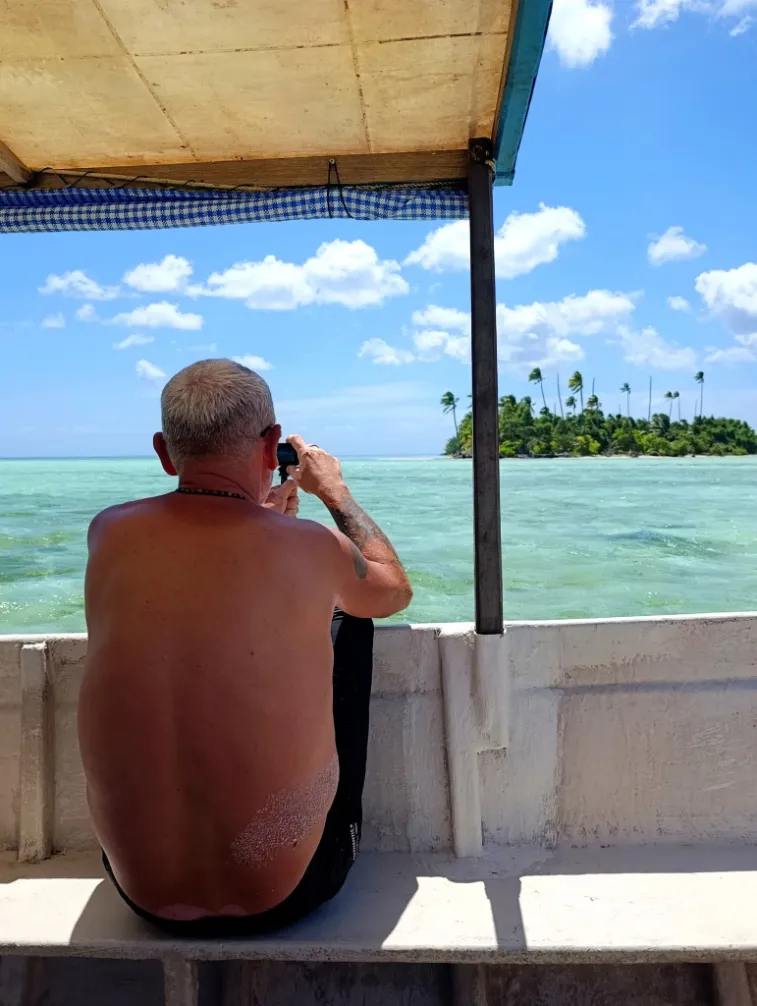
Binongko Island Travel Guide for Discovering Traditional Island Culture
Plan a Binongko visit around traditional island culture, coastal identity, local interpretation, and realistic connections.
Discover Binongko through island culture and community context while respecting access, consent, and the effort of reaching a wider archipelago destination.
Binongko gives travelers a wider view of Wakatobi’s island diversity. Its cultural value should be approached through local people, coastal identity, traditional knowledge, and the time required to reach and understand the island.
This guide does not invent a fixed list of cultural performances or guarantee access. Local hosts and operators must confirm what is available and appropriate on the chosen date.
Why Binongko Belongs in the Wakatobi Story
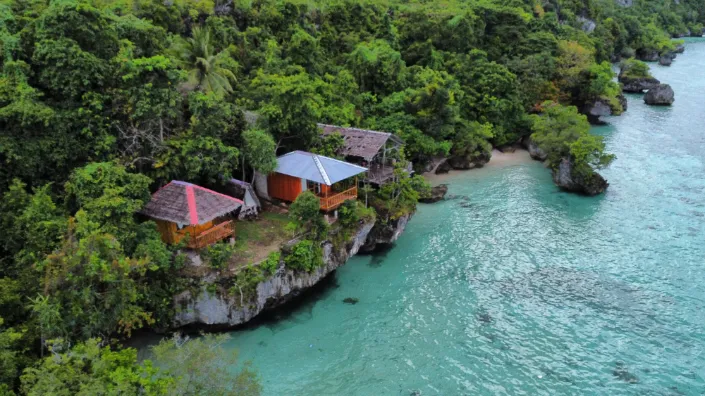
Binongko reminds travelers that Wakatobi is an archipelago with cultural depth beyond the most photographed reefs. A visit can be meaningful for people interested in island identity, traditional knowledge, and coastal life.
The island should not be added as a rushed name at the end of a marine trip. Allow time for travel, rest, and local interpretation.
The distance is part of the story. Reaching a wider island can help travelers notice how routes, supplies, work, and social connections operate across an archipelago, but only when the itinerary provides enough time to listen and observe.
Do not use Binongko as a claim about every Wakatobi community. The island has its own local context, and an accurate article should let hosts explain what is specific to their place.
Approach Culture Through Living Communities
Traditional culture is not a display separated from daily life. Visitors should ask who hosts the experience, whether it is public, and what boundaries apply to photography, recording, conversation, and movement.
Listen to local explanations without demanding a dramatic story. A host’s uncertainty or refusal is part of the right to control the encounter.
A guide may connect an object, route, or practice to local memory, but travelers should not treat one explanation as a complete history of the island. Ask who can provide further context and distinguish personal interpretation from documented research.
The respectful visitor also notices what is not offered. Private homes, ceremonies, work areas, and religious or cultural objects may have limits. Accepting those limits is a central part of learning from a living community.
Visitors should make room for ordinary conversation and avoid measuring the encounter by the number of facts or images collected. The host decides what can be shared, and a quiet visit can still provide important cultural understanding.
Use the local explanation carefully in later writing. Identify it as a host’s account when appropriate, do not invent certainty, and avoid generalizing one Binongko encounter to every Wakatobi island.
Plan for Distance and Island Time
Confirm boat frequency, departure point, luggage, accommodation, food, land transport, and the realistic number of days required. A long connection can affect the group’s energy and the time available for cultural visits.
Build a buffer around arrival and departure. A culture-focused itinerary should not spend all its time watching the clock or waiting for a return boat.
Ask whether the proposed route uses a regular service or a locally arranged boat, and confirm what happens if weather delays the crossing. The public guide should describe this as a question for confirmation rather than publish an invented schedule.
Give the first hours on the island room for orientation. A rushed arrival can make the group late, tired, or inattentive during a visit that requires patience and consent.
Distance also affects what a cultural encounter can realistically contain. Leave time to arrive, meet the host, listen, and depart without turning the conversation into a timed performance.
Confirm the return plan before accepting a community visit. A reliable buffer protects the host from pressure and gives the group a calmer way to respond if the boat or weather changes.
Photography and Cultural Consent
Ask before photographing people, homes, boats, work, ceremonies, or objects. Do not assume that a public shoreline makes every person or activity available for content. Use exact captions and avoid presenting one encounter as the universal culture of Binongko.
If a host asks that an image not be published, respect that request. The value of a visit is not measured by how much content leaves the island.
Explain the intended use when asking for permission, especially if an image may appear in commercial promotion. A quick tourist photograph and a published marketing image do not create the same expectation for the person being photographed.
Avoid photographing children, sacred items, or private work without clear permission from an appropriate adult or host. Accurate captions should identify the place without inventing a story about what the image proves.
Connecting Culture with Coast and Nature
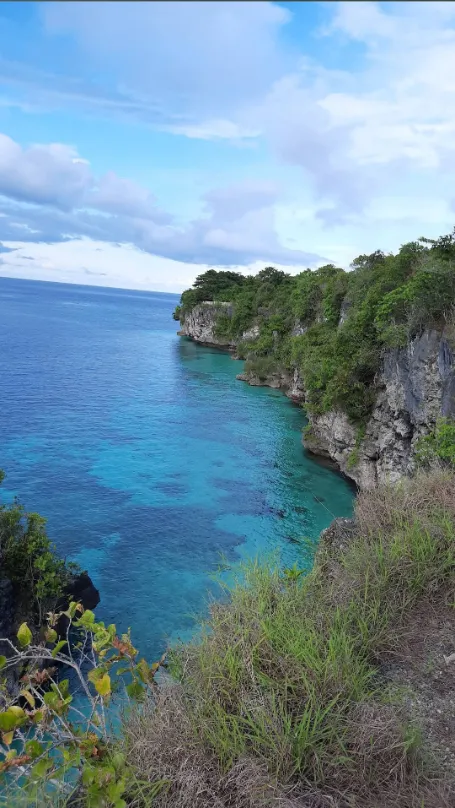
Coastal landscape, boats, food, local routes, and settlement patterns can help travelers understand how island culture relates to the environment. Keep natural observation and cultural interpretation connected without claiming that geography alone explains a community’s identity.
A local guide can distinguish documented information, oral history, and personal interpretation.
Travelers should listen for that distinction and avoid turning a short explanation into a universal claim about Binongko. The island is specific, and local hosts should have room to explain what belongs to their own community.
The coast is also a working environment. Keep landing areas clear, ask before photographing boats or gear, and remember that a visitor’s route should not interrupt fishing, transport, or household activity.
That connection between coast and community should be described carefully, with local interpretation taking priority over a visitor’s assumptions.
Respectful observation lets the island remain more than a backdrop and gives the host control over the story being shared.
The visitor’s role is to learn without taking ownership of the community’s identity.
This approach is especially important when a visitor wants to turn a local explanation into commercial content. Ask what may be quoted, whether names and faces may be published, and whether the host wants to review the context. Cultural interpretation becomes more trustworthy when the people who share it retain a say in how it travels beyond the island.
Booking Questions for a Binongko Route
Confirm the exact cultural experience, host, schedule, group size, contribution, transport, accommodation, meals, and photography rules. Ask what happens if weather or local availability changes.
The booking should state which elements are guaranteed and which depend on community consent. This protects hosts and gives travelers realistic expectations.
Ask whether the journey uses a regular boat connection or a locally arranged transfer, and confirm where luggage is protected during loading. A long crossing can affect the group’s energy, so the booking should include enough time for rest before a cultural visit.
Clarify the purpose of any contribution and whether it is paid to a host, guide, community arrangement, or service provider. Avoid publishing a fixed amount without current confirmation.
The group should also agree on photography behavior before arrival. Explain that publication may be commercial, ask permission for recognizable images, and accept a refusal without trying to negotiate it away.
If weather or local availability changes, the alternative should preserve the spirit of the visit. A land route or conversation with a guide may be more appropriate than forcing an activity that residents cannot currently host.
Ask whether the host wants the group to bring any particular preparation, dress, or knowledge. Do not assume that a visitor’s preferred schedule takes priority over work, worship, family, or community needs.
A respectful booking also identifies the group’s size and behavior expectations. Smaller groups may be easier to host, but they still need clear boundaries around homes, boats, ceremonies, and work areas.
Keep the route flexible without making it vague. The operator should be able to say what is confirmed, what is requested, and what will be decided locally after weather and host availability are checked.
Final Perspective on Binongko Culture
Binongko can deepen a Wakatobi journey by showing that island travel is also cultural travel. Its value comes from time, attention, local authority, and the willingness to understand a place without turning it into a performance.
Travel respectfully, plan the connections honestly, and let local hosts define the appropriate shape of the visit.
A culture-focused visit is strongest when travelers understand that traditional knowledge continues to live in ordinary decisions, relationships, work, food, boats, and coastal movement. It does not need to be packaged as a staged event to be meaningful.
The route should therefore protect time for explanation and reflection. A visitor who arrives tired from a rushed transfer may miss the context that makes a place understandable. Confirm the journey length, rest, and hosting arrangement before deciding that Binongko fits a short itinerary.
Research and local interpretation have different roles. The project data can establish Binongko as an island destination, while a host can explain local meaning and current access. Neither source should be used to invent a universal cultural claim or a guaranteed activity.
Visitors should also consider the effect of publication. A photograph, caption, or short video can travel farther than the original encounter. Ask permission for commercial use, avoid identifying private people without consent, and correct a description if a host explains that it is inaccurate.
A responsible cultural route supports local authority over what is shared. It may include a contribution, a local service, or a guide, but the terms should be clear and welcomed rather than assumed. Transparent arrangements help visitors understand how their presence affects the community.
Binongko is valuable precisely because it broadens the Wakatobi story. It asks travelers to notice the archipelago as a network of people and places, not only as a collection of marine photographs.
The final recommendation is simple: arrive with humility, ask before recording, listen to the explanation offered, and accept that the most respectful visit may be quieter and less photographable than expected.
Travelers can prepare by writing down the questions they want answered: which local history is being shared, who is hosting, what spaces are private, whether photographs may be published, and how a contribution is handled. This keeps curiosity from becoming interrogation.
The island should not be judged by the amount of cultural content a visitor collects. A short, respectful conversation may be more valuable than a long list of images if it allows the host to retain control and the traveler to understand context.
Plan the departure as carefully as the arrival. Confirm where the group waits, who carries responsibility for luggage, and what happens if weather delays the return. A rushed departure can undo the calm and respect built during the visit.
Binongko belongs in a Wakatobi itinerary when the group has the time and patience to meet the island on its own terms. That is the strongest reason to choose it and the clearest limit to state in the article.
Cultural travel also benefits from modest claims. Describe what the project data and local host support, identify what still needs confirmation, and avoid turning one person’s account into a universal statement about the island.
A thoughtful visit can support local value through agreed guides, food, transport, or contributions, but travelers should ask how those arrangements work. Transparency is more respectful than assuming that any payment or purchase automatically benefits the community.
The route is successful when visitors leave with better understanding and without taking control away from the people who live there. That is the standard this Binongko guide should set.
Frequently Asked Questions
What can travelers learn on Binongko?
Travelers may learn about island identity, coastal life, traditional knowledge, local routes, and community perspectives when current hosting is available.
Are cultural activities guaranteed on Binongko?
No. Confirm hosts, schedules, permissions, and participation arrangements for the selected date.
How should visitors photograph local culture?
Ask permission first, respect refusals and private spaces, and use accurate captions that do not generalize one encounter.
Plan your journey with Laode Traphel.
You May Also Like
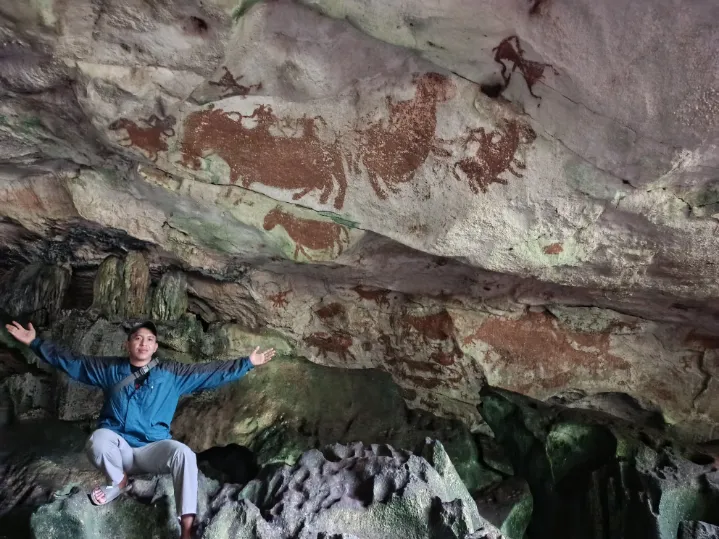
Exploring Ancient Cave Art and Cultural Heritage on Muna Island
Muna
.webp)
The Best Cultural and Historical Experiences to Discover on Muna Island
Muna
.webp)
The Most Beautiful Caves and Ancient Heritage Sites on Muna Island
Muna
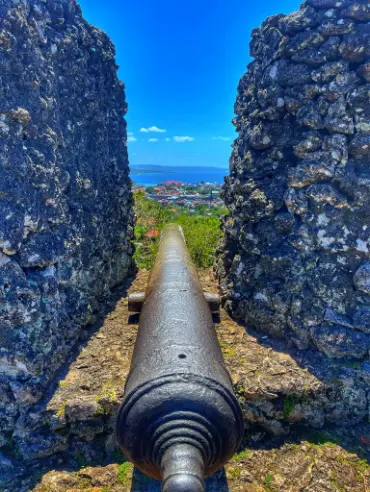
The Best Cultural and Historical Destinations to Visit in Buton
Buton Island and Baubau
10 Amazing Places to Explore in Wakatobi for an Unforgettable Journey
Wakatobi
A Complete Wakatobi Travel Guide for Exploring Islands Reefs and Culture
Wakatobi