
.webp)
The Best Cultural and Historical Experiences to Discover on Muna Island
A research-led guide to Muna ancient cave art, karst heritage, coastal communities, and living cultural experiences.
Discover Muna Island culture and history through Liang Metanduno, Liang Kabori, Bajau communities, local interpretation, and responsible heritage travel.
Muna Island’s cultural history is not contained in one museum or one landmark. It appears in cave and shelter landscapes, ancient rock art, coastal communities, local interpretation, and the way natural places remain connected to daily life. A useful cultural guide must therefore distinguish archaeological evidence from community culture and avoid turning every old-looking place into an unsupported historical claim.
This article focuses on experiences that can help travelers understand Muna with more care: Liang Metanduno and its dated evidence, the wider Liang Kabori landscape, Bajau villages, community-based tourism around Lakarinta and Meleura, and the role of guides in interpreting places. Current access, visitor rules, fees, and hosting arrangements still require confirmation.
Why Muna Culture Should Be Read Through Place and People
Culture is not only a performance arranged for visitors. On Muna, cultural meaning is connected to caves, coastlines, water, village life, memory, and the ways communities relate to their environment. A traveler may encounter ancient evidence in a cave and living maritime culture in a coastal village, but those experiences require different forms of attention.
A heritage itinerary becomes stronger when it explains what is documented, what is locally interpreted, and what is still uncertain. This distinction prevents a dramatic story from replacing evidence and allows communities to remain active participants rather than scenery.
Liang Metanduno and Ancient Human Expression
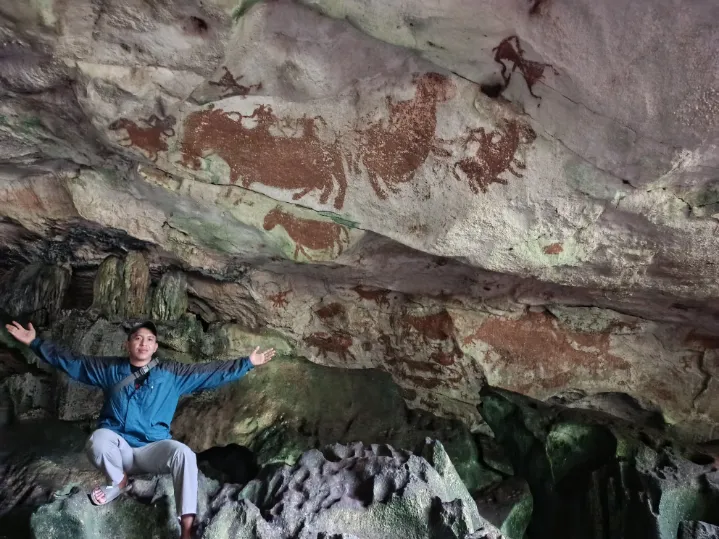
Liang Metanduno is one of Muna’s most significant heritage subjects because it connects a cave environment with research into ancient human expression in Sulawesi. Nature research published in 2026 reported LA-U-series dating of calcite overlying a hand stencil. The dated calcite was reported at approximately 71.6 plus or minus 3.8 thousand years and provided a minimum-age constraint of about 67.8 thousand years for the underlying motif.
The wording is important. The dating applies to the studied evidence and does not establish that every painting or hand stencil on Muna has the same age. It also does not directly identify the individual people who created the motif. Accurate cultural writing keeps those limits visible while still explaining why the evidence matters.
How to Interpret Scientific Evidence Responsibly
Travel articles often simplify archaeological findings into a single number, but dating methods measure particular materials and relationships. At Liang Metanduno, the dated calcite lies over the studied hand stencil, so the result creates a minimum-age constraint for the underlying motif. That is different from directly dating the pigment or assigning the same age to every image in the cave.
Visitors do not need to understand every technical detail before arriving, but they should avoid repeating claims that go beyond the research. A guide or qualified interpreter can explain what is known, what is inferred, and what remains open to further study. This makes the experience more credible and protects the site from sensational storytelling.
Visiting Liang Metanduno as a Heritage Encounter
A visit to Liang Metanduno should feel different from a normal cave adventure. The primary activity is careful observation and interpretation, not unrestricted movement or close photography. Visitors should follow local instructions about distance, lighting, flash, group size, and the parts of the site that are open.
Never touch, wet, trace, scratch, chalk, or lean equipment against rock art or archaeological surfaces. Oils, dirt, moisture, and accidental contact can damage material that survived for thousands of years. The most meaningful souvenir is a precise understanding of the evidence, not a mark or fragment taken from the site.
Liang Kabori and the Wider Rock-Art Landscape
Academic research associated with Liang Kabori identifies cave and shelter environments containing figurative and nonfigurative rock-art motifs. This widens the cultural story beyond a single famous image. It shows that Muna’s heritage landscape contains different panels, shelters, and relationships between people and karst terrain.
Liang Kabori should not be used as another name for Liang Metanduno. Each site needs its own evidence, access rules, image identification, and interpretation. The wider landscape is valuable because it gives travelers scale while preserving the distinct identity of each destination.
Cave Heritage and the Meaning of Conservation
Conservation is not separate from the visitor experience. It determines how close people may stand, how light is used, how groups move, and which surfaces remain protected. A guide may limit access not to reduce the experience but to protect evidence that cannot be restored once damaged.
Travelers should accept that some questions cannot be answered by a quick photograph. Ask where interpretation comes from, whether a claim is supported by research or oral history, and which rules apply to photography. Careful limits make the cultural experience more meaningful because they direct attention toward what can actually be learned.
Bajau Tribe Village and Living Maritime Culture
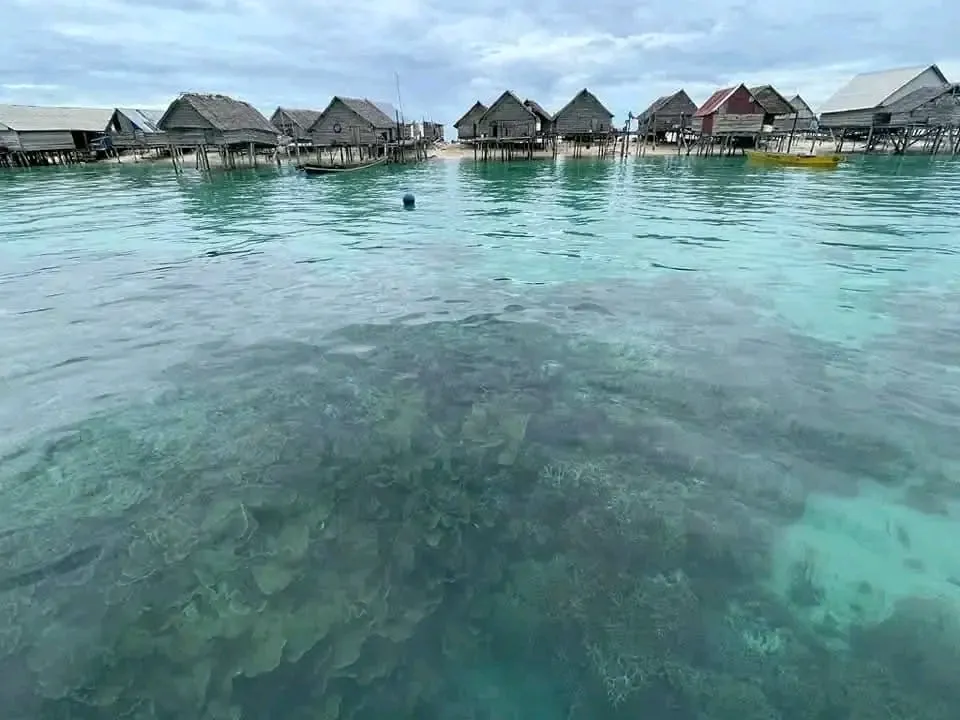
Bajau Tribe Village brings living maritime culture into a Muna heritage journey. The community should be approached as a living society, not as a staged historical exhibit. Visitors are guests and should ask permission before photographs, follow a local host, and avoid entering private homes, boats, work areas, or paths without invitation.
The cultural value of the visit comes from listening and understanding how people relate to the sea. Confirm who coordinates the visit, what areas are open, whether a contribution is expected, and how local residents want visitors to behave. Do not promise a guaranteed encounter without current community approval.
Sandbar Bajau Village and Coastal Identity
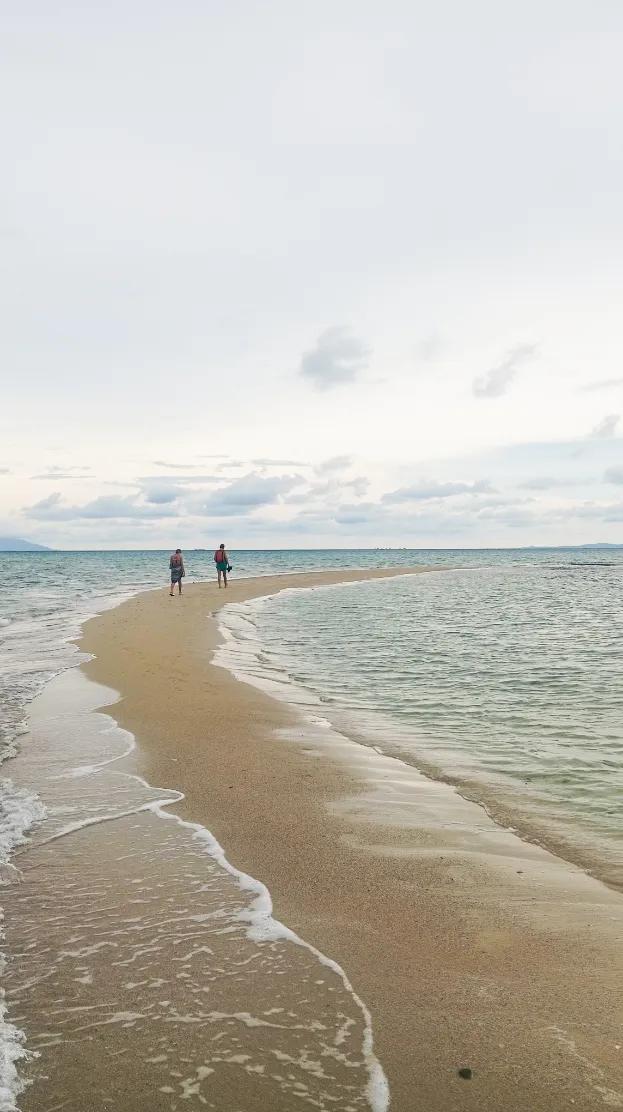
Sandbar Bajau Village adds another perspective on the relationship between people and coastal space. The sandbar and village setting may change with tide, weather, access, and local use, so the exact experience should be confirmed before the trip. The destination should not be reduced to a picturesque background.
Visitors should follow the timing and route set by local hosts. Ask before photographing residents, boats, homes, or daily work, and understand that a community may limit access on a particular day. Respect for boundaries is part of cultural heritage travel.
Meleura and Community-Based Tourism
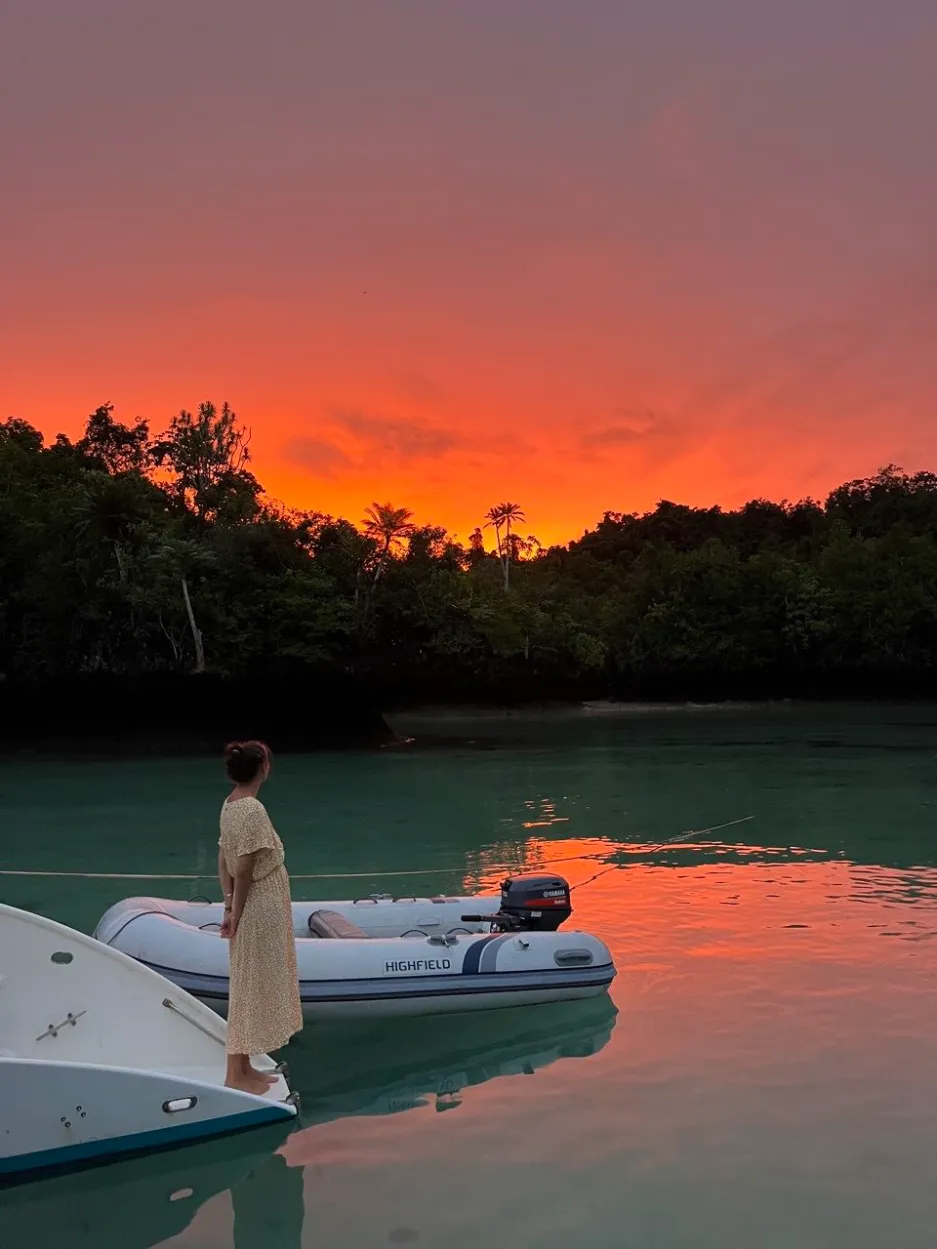
JADesta presents the Lakarinta and Meleura tourism setting through karst coast, clear water, facilities, and community attractions. Research on maritime ecotourism also describes local residents as part of tourism development and management. This supports a cultural reading of Meleura in which local people are hosts and participants, not decorative elements placed around a beach.
Travelers can support the place by using agreed local services, asking how activities are organized, and respecting areas that are private or used for daily work. Community tourism is strongest when visitors understand the arrangement rather than assuming that every cultural experience is automatically available.
Ewa Wuna and the Value of Local Interpretation
JADesta includes Ewa Wuna among the cultural attractions associated with Desa Wisata Meleura. A visitor should confirm the current form, schedule, host, and participation rules before describing it as a fixed performance or booking inclusion. Local interpretation can connect the coast, community memory, and cultural expression in ways a short online paragraph cannot.
The correct approach is to ask who leads the experience, what visitors are invited to do, and whether photography or recording is permitted. Cultural activities should be presented on their own terms, with enough time for explanation and without pressuring hosts to repeat an activity outside its appropriate context.
Natural Landscape as Cultural Context
Muna culture cannot be separated from its landscapes. Lakes, caves, karst, beaches, and sea routes influence movement, work, stories, and community identity. A cultural itinerary can therefore combine Liang Metanduno with Meleura or a Bajau village, as long as the route does not pretend that archaeological evidence and living culture are the same thing.
This connection helps visitors understand why a place matters without turning geography into a claim about cultural meaning that has not been researched. Let local guides and sources explain relationships, and keep uncertain interpretation clearly marked.
Cultural Travel for Families and Small Groups
Families and small groups can enjoy Muna heritage when the pace allows questions, rest, and respectful observation. Ancient-art sites may require quiet behavior and controlled movement. Village visits may need smaller groups and careful timing. Ask about walking conditions, shade, facilities, language support, and whether children can participate appropriately.
A smaller group may make conversation easier, but it does not grant permission to photograph or enter private spaces. Group leaders should brief everyone before arrival so local hosts are not forced to repeat rules after visitors have already crossed a boundary.
Photography, Recording, and Cultural Consent
Photography is not neutral in a heritage or community setting. At Liang Metanduno, follow conservation rules and never place equipment against rock art. In villages, ask before photographing people, homes, boats, work, or cultural activity. If a person declines, accept the answer without pressure.
Captions should identify the correct place and avoid unsupported claims about age, authenticity, or meaning. Do not use an image of a cave-art site to imply that every Muna cave contains the same evidence, and do not use a village image as proof of a cultural activity that was not actually observed or confirmed.
Preparing a Cultural and Historical Route
Before booking, ask which exact sites are included, who provides interpretation, and whether community visits are confirmed. Check transport, accommodation, meals, entrance arrangements, guide support, physical demands, photography rules, and weather alternatives. A cultural route needs more than attraction names; it needs a clear method for access and consent.
Keep the schedule flexible enough for explanation. A rushed stop at a cave or village may produce photographs but little understanding. A slower visit can give travelers time to listen, ask informed questions, and leave without disturbing the people or material that make the destination significant.
Responsible Cultural Tourism on Muna
Responsible cultural tourism begins with humility. Visitors should not claim to know more than local hosts about community boundaries, and they should not treat research as permission to touch or approach fragile evidence. Use local guides, follow site rules, carry waste away, and avoid removing natural or cultural material.
Online writing has responsibilities too. Avoid describing communities as untouched or exotic, avoid turning ancient art into a marketing prop, and keep scientific claims attached to the evidence that supports them. Accurate language can inspire travel without creating pressure or false expectations.
How to Evaluate a Cultural Experience Afterward
After a visit, record which claims were explained by research, which came from local interpretation, and which operational details changed. Note whether the image matched the exact destination, how access was managed, and what etiquette local hosts requested. Date those observations so future updates do not present one departure as a permanent rule.
This feedback can improve both the article and the package. It can help Laode Traphel describe cultural activities more precisely, prepare visitors better, and support local hosts with clearer expectations. A successful heritage experience should benefit understanding, conservation, and community dignity at the same time.
Final Perspective on Muna History and Culture
Muna’s cultural and historical experiences are strongest when ancient evidence, karst landscape, coastal communities, and local interpretation are allowed to remain distinct but connected. Liang Metanduno offers research-based heritage significance. Liang Kabori broadens the cave and shelter context. Bajau villages and Meleura show living relationships between people, water, and coast.
Travelers who ask precise questions, follow local guidance, protect fragile surfaces, and respect consent can discover Muna without reducing it to a collection of photographs. Cultural travel becomes meaningful when the destination is understood, not merely visited.
Oral History and Archaeological Research Have Different Roles
A community explanation and an archaeological study can both be valuable without answering the same question. Research may establish a date, motif, material relationship, or documented pattern. Local knowledge may explain place names, routes, memories, customary boundaries, or the way a community understands a site. One should not be forced to replace the other.
Travelers should listen carefully when local hosts tell stories and ask whether a detail is a remembered account, a community interpretation, or a conclusion supported by published research. This does not make oral history less important. It makes the source of each statement clearer and prevents a meaningful local story from being presented as a scientific fact without support.
The Role of a Local Heritage Guide
A local heritage guide helps connect a visitor with both place and people. The guide can explain where the group may walk, which surfaces must remain untouched, how a community visit is arranged, and which names or stories require careful wording. In a cave, the guide may also control light, distance, and group movement to protect the evidence.
Visitors should treat the guide as an interpreter and a safety partner, not merely as someone who leads the way. Ask questions respectfully, allow time for answers, and do not pressure the guide to provide access that local rules prohibit. A good guide makes the site easier to understand while helping the group remain within its responsibilities.
Cultural Landscapes and Everyday Life
Historical travel often focuses on old evidence, but culture also exists in ordinary routines. A coastal village, a boat, a water route, a local food practice, or a community gathering can reveal how people continue to use and interpret the landscape. These experiences should not be treated as museum displays. They belong to people who may be working, resting, worshipping, or carrying out private activities.
Visitors can support dignity by asking before entering or photographing, keeping groups small, and accepting that not every part of daily life is available for tourism. The absence of access is not a failure of the destination. It is a normal boundary in a living community.
Publishing Heritage Content Without Creating Pressure
A blog can help protect heritage when it gives readers accurate expectations, but it can also create pressure when it publishes exact locations, dramatic claims, or unrestricted photography without context. Content should identify the evidence, use the correct destination name, and avoid encouraging touching, climbing, collecting, or entering restricted areas.
Images should be matched to the exact section and captioned carefully. A cave-art image should not be used to illustrate a generic cave adventure, and a village image should not imply that residents have agreed to be photographed. Good editorial choices reduce misunderstanding before visitors arrive.
A Cultural Route for Curious but Careful Travelers
A thoughtful Muna route might begin with an explanation of the landscape, continue to a guided heritage cave, and finish with a community-based coastal experience. The sequence gives travelers time to understand geological setting, ancient evidence, and living culture without treating them as one interchangeable attraction. The order can change according to access and local advice.
Travelers should leave room for conversation, silence, and reflection. A cultural experience is not improved by rushing through every site. It becomes stronger when the group understands why a rule exists, who manages the visit, and what kind of evidence or memory it is encountering.
Updating Historical Information Over Time
Research develops, conservation rules change, and community arrangements are not permanent. Laode Traphel should review the article after new field information, official guidance, or relevant research becomes available. Record the date of operational details and avoid turning a single visitor report into a universal rule.
Readers should also confirm current access, hosting, photography, and transport before departure. This keeps the cultural article useful without pretending that a web page can replace local coordination or specialist heritage management.
What a Meaningful Cultural Visit Leaves Behind
A meaningful visit should leave travelers with better understanding, not only more photographs. They may learn how a cave preserves evidence, how a community relates to the sea, why a guide sets a boundary, or how a local name carries memory. That learning becomes more valuable when it is shared accurately and without claiming ownership over the story.
For host communities and heritage managers, a respectful visitor creates less pressure and more trust. Travelers who ask permission, use local services, follow rules, and leave material untouched help make future visits possible. Muna’s history and culture deserve that careful pace because their value belongs to both the people who live there and the generations who will study and experience the island later.
Frequently Asked Questions
What cultural and historical experiences are available on Muna Island?
The project supports experiences involving Liang Metanduno ancient cave art, the wider Liang Kabori cave landscape, Bajau coastal communities, Meleura community tourism, and Ewa Wuna context.
What does research say about Liang Metanduno?
A 2026 Nature study reported a minimum-age constraint of about 67.8 thousand years for a studied hand stencil based on dating overlying calcite.
Can visitors touch ancient cave art?
No. Visitors must not touch, wet, mark, trace, scratch, or lean equipment against rock art or archaeological surfaces.
How should visitors behave in Bajau villages?
Ask permission before photography, follow local hosts, respect private spaces, and avoid interrupting daily work or community activities.
Are cultural activities always available?
Not necessarily. Confirm current schedules, hosts, access rules, and participation arrangements before booking or publishing a fixed promise.
Plan your journey with Laode Traphel.
You May Also Like
Binongko Island Travel Guide for Discovering Traditional Island Culture
Binongko, Wakatobi
Exploring Ancient Cave Art and Cultural Heritage on Muna Island
Muna
.webp)
The Most Beautiful Caves and Ancient Heritage Sites on Muna Island
Muna
The Best Cultural and Historical Destinations to Visit in Buton
Buton Island and Baubau
10 Amazing Places to Explore in Wakatobi for an Unforgettable Journey
Wakatobi
A Complete Wakatobi Travel Guide for Exploring Islands Reefs and Culture
Wakatobi