

10 Natural and Cultural Destinations to Explore on Muna Island
Ten distinct Muna stops explained through their landscapes, heritage value, and coastal community context.
Explore ten verified natural and cultural destinations on Muna Island, from inland lakes and limestone caves to Meleura Beach and coastal Bajau communities.
Muna Island is easier to understand when its landscapes and communities are viewed together. The island offers more than a single beach or viewpoint: calm inland waters, limestone caves, ancient cave art, open coast, and villages connected to the sea each create a different kind of travel experience. That variety is useful for travelers who want to choose stops based on their interests rather than follow an undifferentiated list.
This guide focuses on ten destinations identified in the project data. It introduces what makes each place distinct, the experience it can offer, and the practical considerations that should be confirmed before departure. Access conditions, local rules, fees, and operating details are marked for verification where the available data does not establish them.
Napabale Lake
Napabale Lake is a strong starting point for discovering Muna because it introduces the island through still water, surrounding terrain, and a slower pace. It suits travelers who want photography, a calm landscape stop, or an opening experience before moving toward caves and the coast. Allow time to observe the setting rather than treating it only as a quick photo stop. The best arrival window, access conditions, local fees, and facilities need to be confirmed locally before a fixed schedule is published.
The lake should be understood as a landscape with a relationship to the surrounding hills and sea, not simply as a place for an assumed water activity. Ask the guide where visitors may stand, whether swimming or boating is permitted, and how weather or tide affects the natural connection.
Photography is strongest when it includes context: water, rock, vegetation, access, and signs of local use. Do not move barriers, enter private areas, or describe the setting as untouched when people use the surrounding place.
A calm stop can also make the route more comfortable for mixed groups. Travelers who do not want a cave or boat activity may still gain a meaningful experience through observation, conversation, and careful landscape photography.
Moko Lake
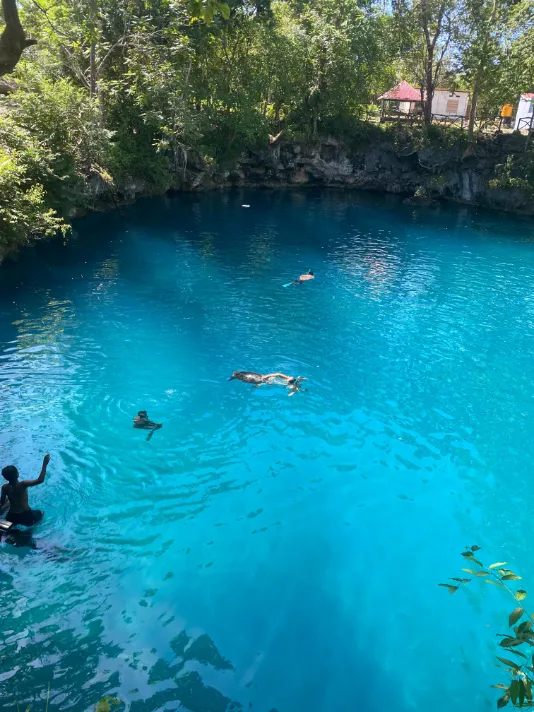
Moko Lake adds another inland-water experience to a Muna route. Its appeal is the contrast between quiet lake scenery and the more open coastal stops elsewhere on the island. Visitors can use the setting for landscape observation, photography, and a measured break between transfers. The available project data confirms the destination name but does not establish detailed access, opening hours, or facilities, so those points should be checked with a local operator.
Treat Moko Lake as a distinct destination reference rather than assuming that every Moko location shares the same route or facilities. Ask which access point is used and how much walking is required from the vehicle.
The lake may work well as a pause between more active stops, but travelers should not infer permission to swim, boat, or climb nearby terrain. Follow local guidance about water, vegetation, rock, and community use.
A quiet inland stop can also help photographers and families recover from transfers. Give the group time to observe without adding an unsupported claim about water clarity, safety, or available services.
Moko Panjang
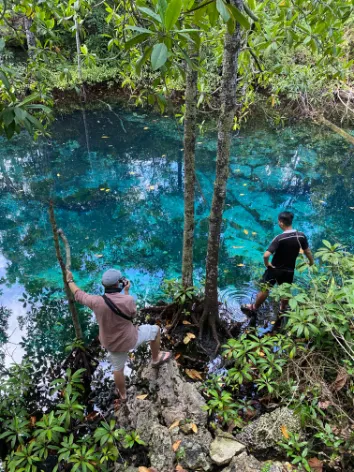
Moko Panjang belongs to the lake-focused side of Muna travel and helps show that the island experience is not built around one famous stop. It is suitable for visitors who enjoy natural scenery, quiet pauses, and routes with changing textures. Keep the visit flexible because the project does not yet verify the best access route, visit duration, or on-site services. A guide can help determine whether it fits comfortably with the other Moko locations on the same day.
Moko 2
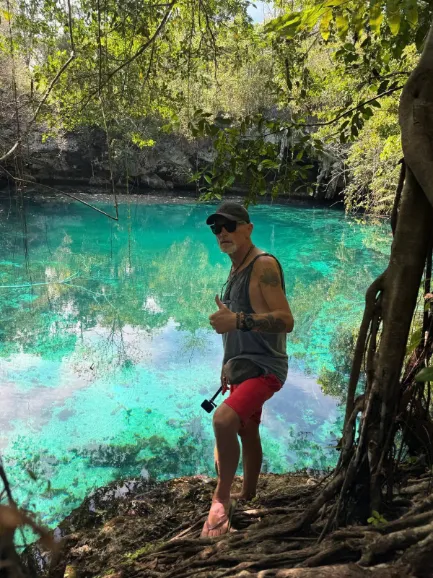
Moko 2 is listed separately in the destination data and should not be merged into a generic reference to Moko Lake. That distinction matters when building an itinerary and checking which locations are actually included. The stop can appeal to travelers looking for a broader lake landscape and a route that feels exploratory without turning every location into a long activity. Access, local guidance, and current conditions require verification before travel.
Angel Cave
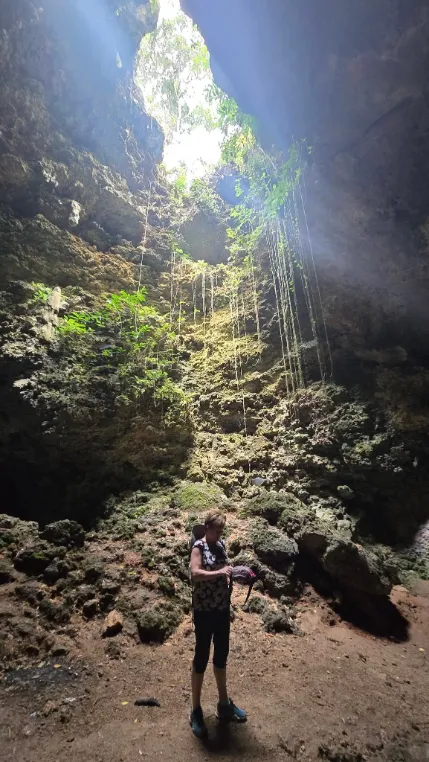
Angel Cave gives a Muna journey a more active and enclosed experience. The limestone setting is best approached as a guided nature visit, with practical footwear and attention to uneven ground. Travelers should follow local instructions and avoid touching or damaging cave surfaces. The project confirms the destination and its dedicated image assets, but walking time, difficulty, facilities, and current access are not verified and should be confirmed before booking.
Laumehe Cave
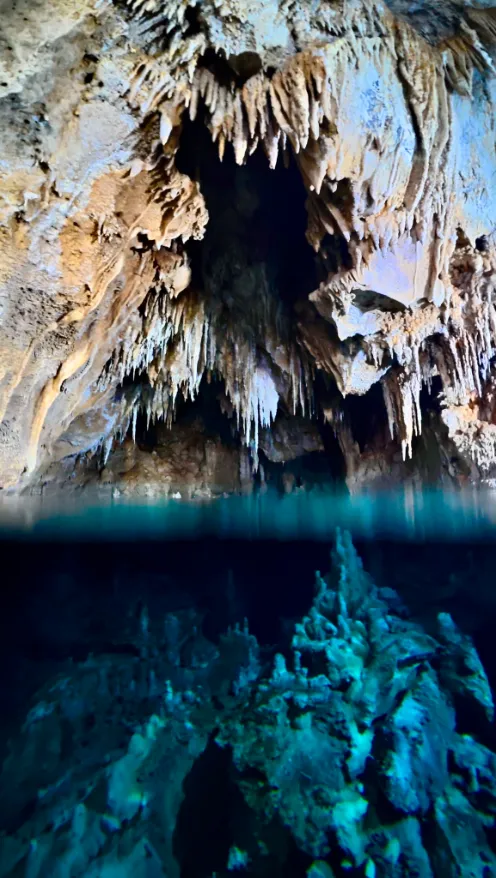
Laumehe Cave extends the underground landscape theme while offering a different destination from Angel Cave. It is appropriate for travelers who enjoy natural formations and guided exploration, provided they are prepared for conditions that may be uneven or change with weather. Do not assume that the same route, duration, or facilities apply to every cave. Local access and the safest order of visits need to be verified by the operator.
Liang Metanduno Ancient Cave Art
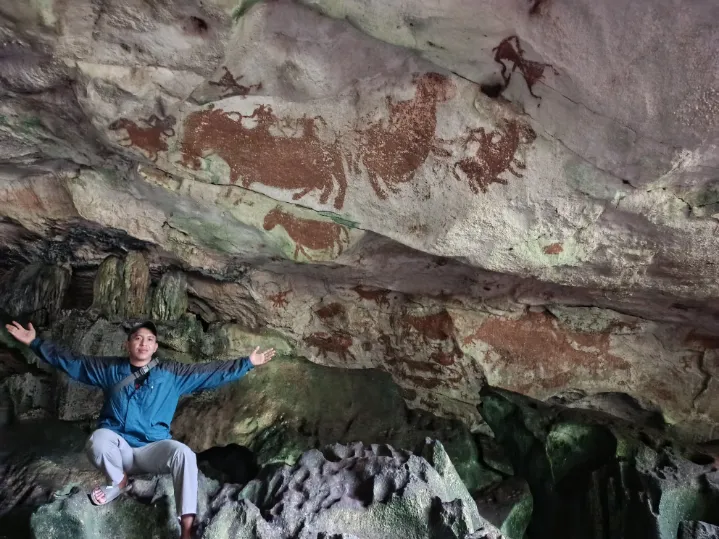
Liang Metanduno Ancient Cave Art adds heritage value to Muna beyond scenery and adventure. The visit should center on careful observation and respect for cultural material. Do not touch, mark, or disturb the surfaces, and follow any local guidance about photography. This article identifies the site as a destination, while deeper interpretation of the art belongs to a specialist heritage article in the same cluster. The age, meaning, access rules, and official status require verification.
Meleura Beach
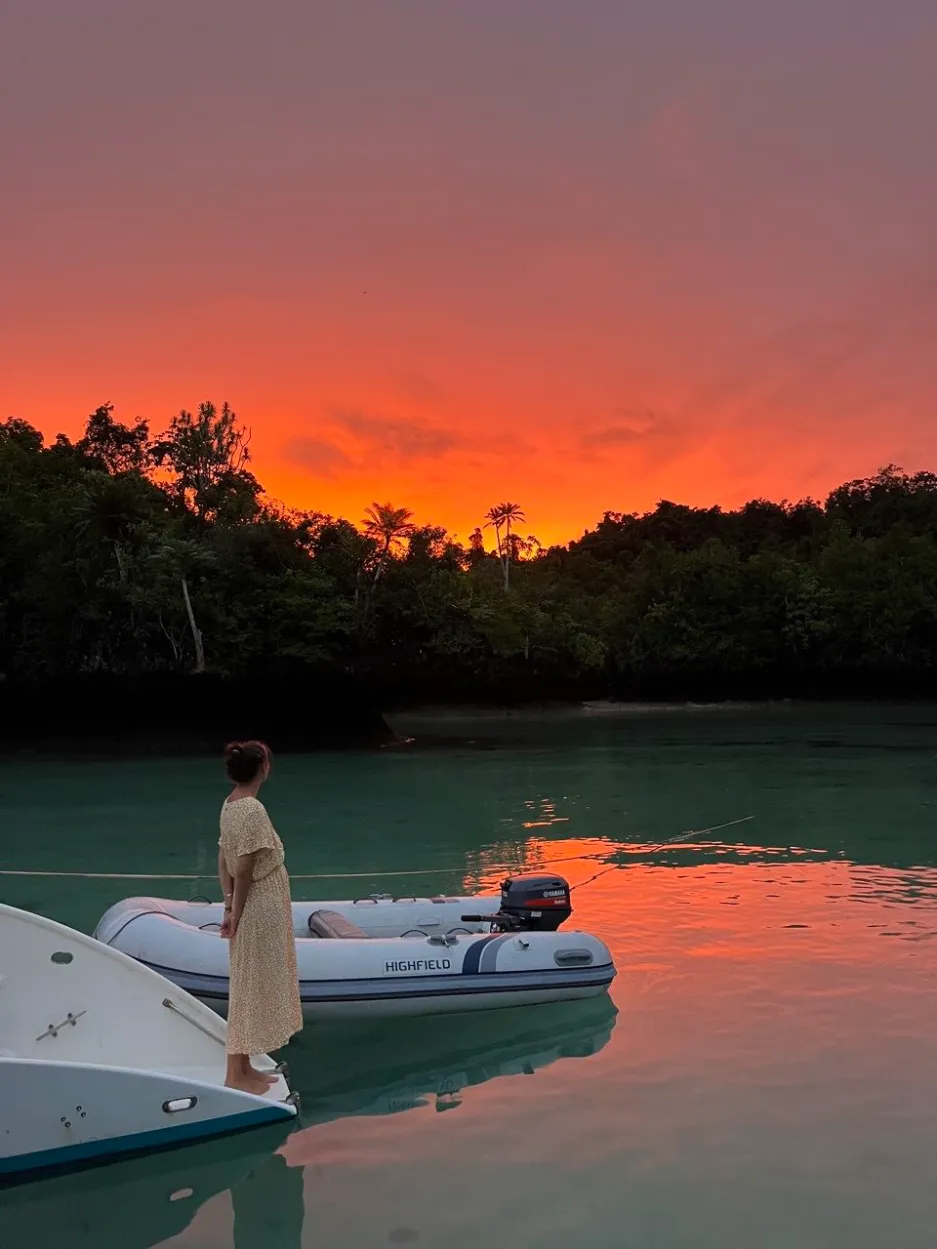
Meleura Beach provides a coastal pause after lake or cave visits. The shoreline can support rest, photography, conversation, and a change of pace for mixed-age groups. The article does not assume swimming, boating, or snorkeling facilities because those services are not verified in the available data. Travelers should confirm the current condition of the beach, available amenities, and the activities permitted on the day of their visit.
Bajau Tribe Village
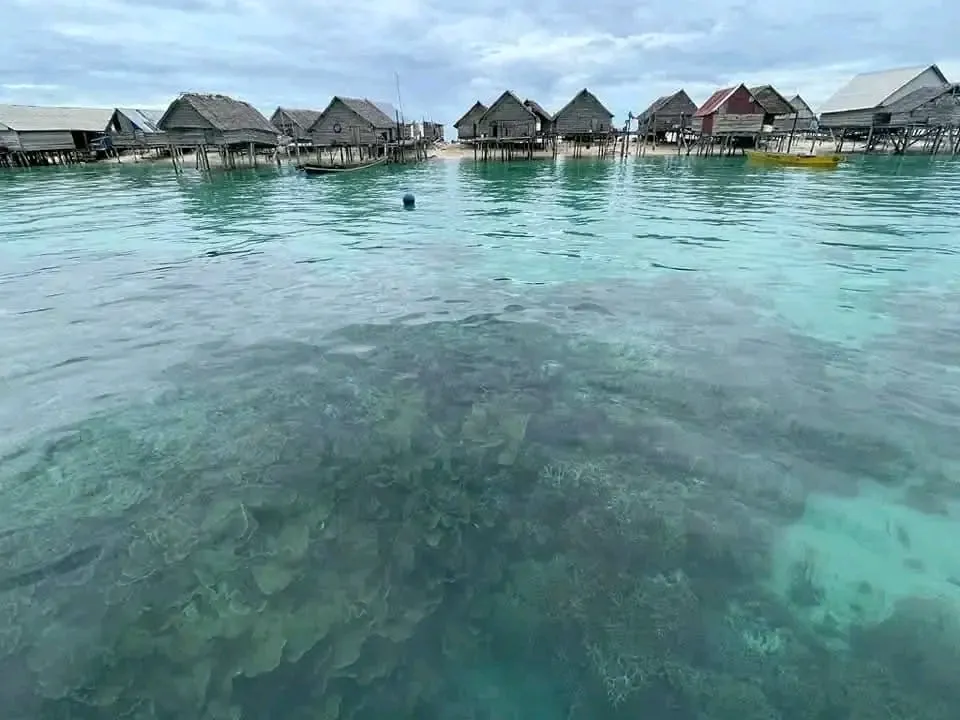
Bajau Tribe Village brings a living coastal community into the Muna destination story. Visitors should arrive as guests, ask permission before taking photographs, and follow the guidance of a local host or guide. The value of the stop comes from respectful attention to local life rather than a quick checklist visit. Community arrangements, visit rules, guide coordination, and any contribution or fee are not verified and must be confirmed before departure.
Sandbar Bajau Village
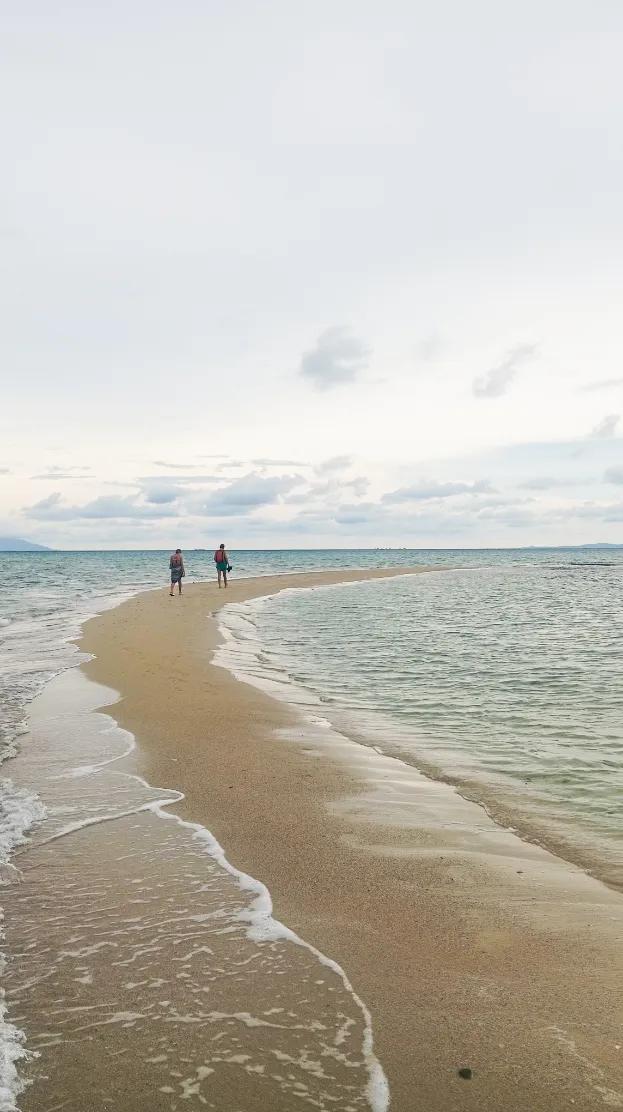
Sandbar Bajau Village offers another perspective on the relationship between coastal communities and the sea. It belongs in a Muna route for travelers who want cultural context alongside natural scenery, but it should not be presented as a staged attraction. Follow local etiquette, keep the group small where possible, and let residents or guides set the appropriate boundaries. Exact access and community hosting arrangements need verification.
How to Combine the Destinations Responsibly
These ten destinations are better treated as route options than as a promise to visit every point in one day. Lakes can create a calm opening, caves require more careful movement, Meleura Beach offers recovery time, and the Bajau villages need an unhurried and respectful approach. Weather, road conditions, sea conditions, local coordination, and physical access may change the order. Travelers can continue to the existing Muna Island travel guide for broader route context and confirm the final schedule with the operator.
The list contains different kinds of evidence and different kinds of responsibility. A project asset can verify that a named image belongs to a destination, while a local guide must confirm access, and a research source may provide context without establishing a visitor rule. Keep those roles separate when explaining the route.
A lake day may be suitable for observation and photography, but do not assume swimming or boating is permitted. A cave day may require practical shoes, careful footing, and a guide. Meleura may provide a coastal pause, but current facilities and water activities need confirmation. The Bajau villages require consent and should never be treated as scenery.
A responsible sequence protects the group’s energy. Combining several Moko locations may be appropriate if the access route is practical, while adding caves and a community visit may require more time than a short package allows. Ask the operator which stops are priorities and which are alternatives.
Weather should be treated as a route decision, not only a comfort issue. Rain can affect cave approaches and roads, while wind or waves can affect coastal movement. A clear alternative preserves the trip’s purpose without forcing a destination into unsafe or damaging conditions.
Use exact destination names in the booking record. Similar labels can refer to different lakes, caves, villages, or coastal points, and a photograph from the wider Muna region does not prove that a place is included in the selected route.
Visitors should also keep the ten destinations connected to living communities. Ask before photographing residents, keep boat paths clear, use agreed services, and carry waste until a suitable disposal point is available. These practices are part of the destination experience.
The strongest Muna route does not try to prove that every stop is equally accessible or equally suitable. It gives each place the right level of attention and lets local guidance decide what can responsibly happen on the day.
After the trip, record which access points, facilities, guide arrangements, and activity permissions were actually available. Date those notes and distinguish direct observation from general research so future readers receive an honest update rather than an accidental guarantee.
The ten destinations also differ in how much interpretation they require. Lakes and beaches can invite landscape observation, caves require attention to footing and surfaces, and villages require social permission. Presenting these differences helps readers choose a route that suits their time and ability.
Do not describe the list as a fixed ten-stop itinerary. The number is an editorial way to organize verified destination references, not evidence that a vehicle can reach all of them in one day or that every location is open at all times.
For families or mixed groups, pair an active cave or longer transfer with a recovery stop. For photographers, allow light and weather to shape the order. For heritage-focused travelers, protect time for interpretation and avoid turning Liang Metanduno into a rushed image stop.
Muna’s value comes from the relationship among inland water, karst, coast, and community. A route that visits fewer places with enough attention may explain that relationship better than a crowded checklist.
The final schedule should remain with the local operator and guide, who can confirm current access, road and sea conditions, hosting, and conservation requirements. The article’s job is to prepare travelers for that conversation accurately.
A final editorial check should ask whether each destination is described at the right level of certainty. Stable landscape character can be explained, while opening arrangements, facilities, fees, physical difficulty, and local hosting must remain marked for confirmation.
This distinction is particularly important for Liang Metanduno and the Bajau villages. Heritage surfaces and living communities deserve more than a promotional promise; they require rules, consent, and a route that can change when protection or local priorities require it.
Frequently Asked Questions
What types of destinations can travelers find on Muna Island?
The verified project data covers lakes, limestone caves, ancient cave art, a beach, and coastal Bajau villages. This mix makes Muna suitable for travelers who want nature and culture in one destination.
Which Muna destinations are best for nature travelers?
Napabale Lake, Moko Lake, Moko Panjang, Moko 2, Angel Cave, and Laumehe Cave are the clearest nature-focused options in this list. The appropriate combination depends on access conditions and the group’s physical comfort.
Are the Muna cave locations suitable for everyone?
Not necessarily. Cave access may involve uneven ground and conditions that require practical footwear and local guidance. Confirm the route and physical demands before including a cave in the itinerary.
How should visitors behave in the Bajau villages?
Treat the villages as living communities. Ask permission before photography, listen to local hosts, follow guidance, and avoid interrupting daily activities. Visit rules and hosting arrangements should be confirmed in advance.
Can all ten destinations be visited in one trip?
They can be used as a planning framework, but the final route should not be promised without checking travel time, access, weather, and local coordination. A flexible sequence is more realistic than forcing every stop into one day.
Plan your journey with Laode Traphel.
You May Also Like
10 Amazing Places to Explore in Wakatobi for an Unforgettable Journey
Wakatobi
Kaledupa Island Travel Guide for Exploring Nature and Local Island Life
Kaledupa, Wakatobi
.webp)
The Best Snorkeling Destinations to Explore in Wakatobi
Wakatobi
The Best Time to Visit Wakatobi for Diving Snorkeling and Island Travel
Wakatobi
The Best Time to Visit Muna Island for Nature Culture and Adventure
Muna
.webp)
How to Plan the Perfect Muna Island Trip for Nature and Culture
Muna