
The Best Beaches and Coastal Destinations to Visit on Muna Island
A coastal guide to Meleura Beach, karst shorelines, Bajau villages, and responsible island travel.
Explore Muna Island beaches and coastal destinations through shoreline character, community context, access planning, and responsible activities.
Muna Island’s coast is more varied than a simple list of beaches suggests. Meleura Beach combines shoreline, clear water, karst formations, and a community tourism setting. Bajau Tribe Village and Sandbar Bajau Village add a living maritime context in which the sea is connected to daily life and local identity. These destinations should be visited for different reasons and described with different expectations.
This guide focuses on coastal travel: what makes Meleura distinctive, how karst shapes the shoreline, how research on beach suitability should be interpreted, and how visitors can enjoy the coast without turning communities or natural features into scenery. Current fees, facilities, water conditions, and activity permissions require confirmation before departure.
Meleura Beach and the Character of Muna’s Coast
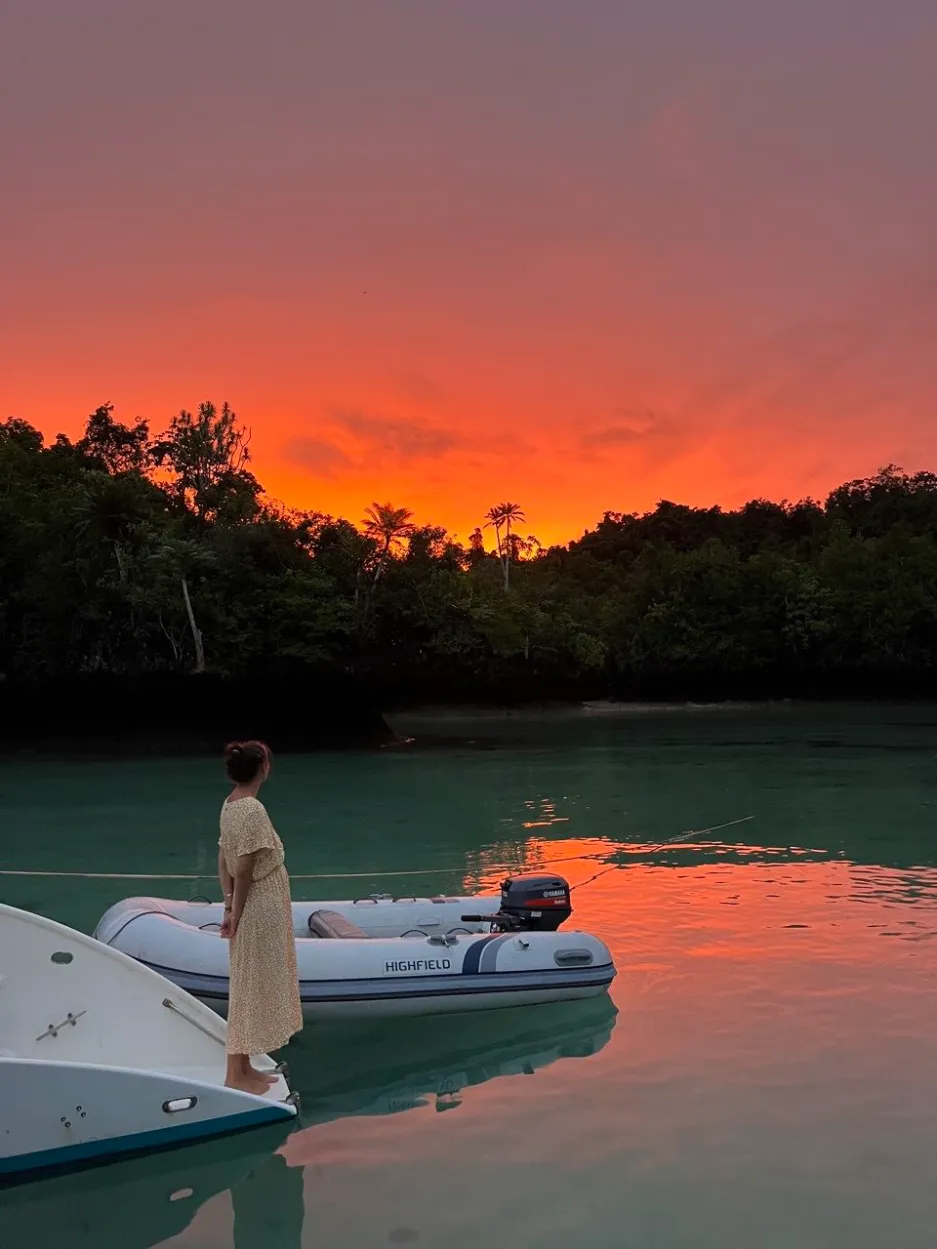
Meleura Beach is the clearest coastal anchor in the Muna destination data. JADesta associates the Lakarinta tourism area with clear seawater, white sand, karst rock, facilities, and community attractions. That combination gives the beach a stronger identity than a generic claim that the water is beautiful. Travelers can observe how rock, sand, sea, village life, and tourism meet in one setting.
Meleura also works well as a recovery stop after lakes or caves. The open coast changes the pace of the journey, but visitors should not assume that every water activity is available. Confirm swimming, snorkeling, boating, safety, and local rules for the actual date of travel.
Understanding the Karst Coastline
Karst formations help explain the visual character of Muna’s coast. Rock can shape coves, viewpoints, shoreline access, and the relationship between land and water. Visitors should observe these formations without climbing loose surfaces, removing stones, or entering areas that local managers identify as unsafe or restricted.
A photograph cannot establish the age of a rock, the stability of a ledge, or permission to walk everywhere. Stay on appropriate routes and follow local guidance, especially near changing tides, slippery surfaces, or exposed coastal edges.
What Beach Suitability Research Can and Cannot Say
Research on Meleura assessed separate beach stations and recorded different suitability values, including 87 percent, 83 percent, and 71 percent in the study context. Two stations were classified as very suitable and one as suitable in that assessment. These figures are useful for understanding how researchers evaluate water, substrate, shoreline form, and other conditions.
They should not be presented as a permanent rating for every visit. Weather, sea state, maintenance, access, safety, and local management can change. A research result supports interpretation; it does not replace a current local assessment before swimming, boating, or snorkeling.
Bajau Tribe Village and Coastal Community Life
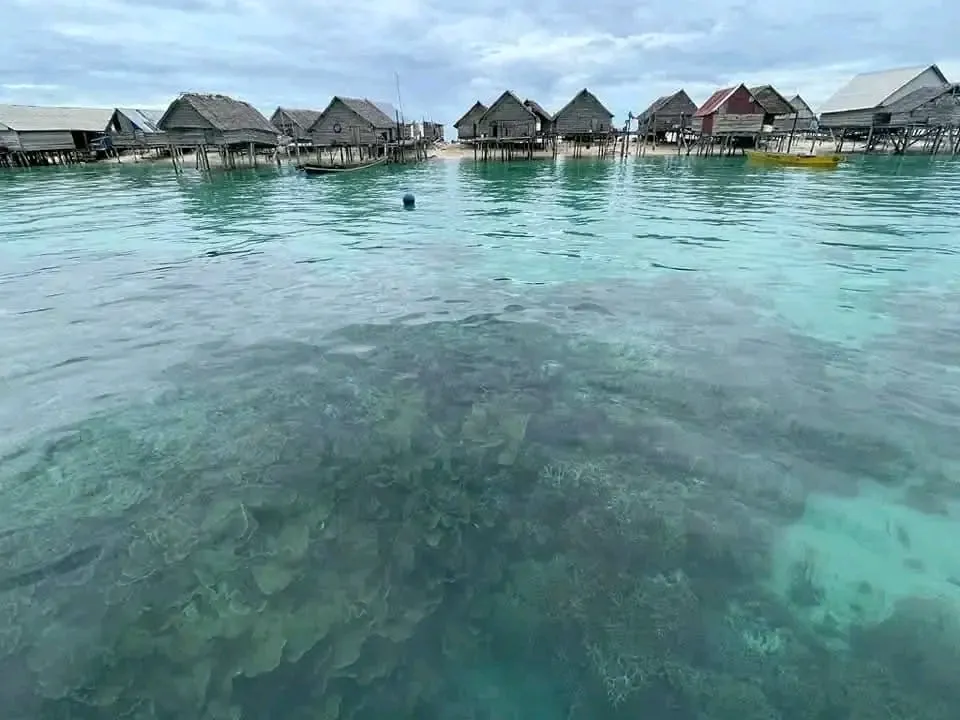
Bajau Tribe Village adds a human dimension to Muna coastal travel. Visitors should arrive as guests, ask permission before taking photographs, follow a local host or guide, and avoid entering private spaces. The village should not be presented as a staged attraction or as decorative background for a beach itinerary.
Confirm how visits are coordinated, which areas are open, whether a contribution is expected, and what behavior local hosts request. A respectful conversation can be more meaningful than a fast photo stop, but only when residents set the appropriate boundaries.
Sandbar Bajau Village and the Relationship with the Sea
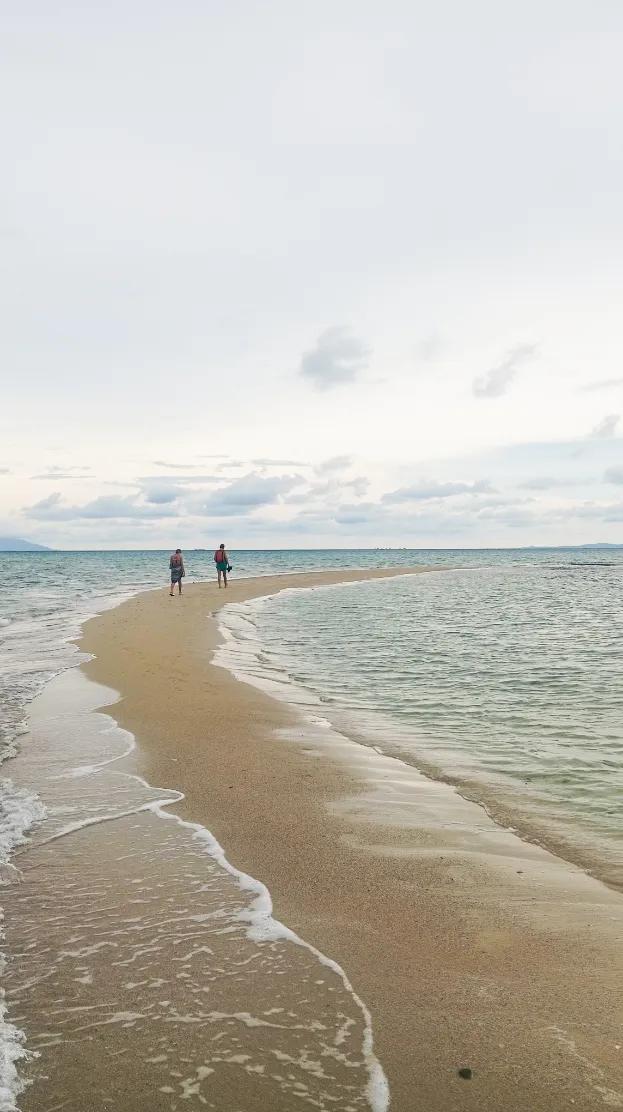
Sandbar Bajau Village broadens the coastal story by showing that beach and sea destinations can also be community spaces. The name should be treated as a specific destination rather than merged into a generic reference to Bajau culture. Ask the operator how the visit is arranged and whether weather or tide affects access.
Travelers should not assume that a sandbar is always available in the same form. Coastal landscapes change with tide, wind, weather, and use. Follow the guide’s timing and do not leave waste or disturb boats, homes, equipment, or daily work.
Choosing Activities at Muna Beaches
Coastal activities should be selected only after checking current conditions and local permission. Swimming may depend on water movement, shoreline form, supervision, and weather. Snorkeling or boating may require equipment, trained operators, and a suitable sea state. Photography, walking, rest, and landscape observation are valuable alternatives when a water activity is unavailable.
Do not use a beach image as proof that a particular service operates there. Confirm facilities, fees, equipment, safety arrangements, and permitted areas with the operator. This protects visitors from inaccurate expectations and protects the coast from unmanaged activity.
A Responsible Coastal Route
A balanced Muna coastal route can begin with Meleura’s shoreline and karst setting, continue through a properly coordinated community visit, and leave time for rest rather than forcing several beaches into one day. The order should respond to travel time, weather, tide, group energy, and local availability.
Carry waste away when disposal facilities are uncertain, avoid damaging vegetation or rock, and use local services where possible. Responsible coastal travel is not an extra section at the end of an itinerary; it determines whether the experience remains good for residents and future visitors.
Planning Questions Before Visiting the Coast
Ask which exact coastal destinations are included, how the group reaches them, whether transport and local guides are covered, and which facilities are available. Confirm current water conditions, permitted activities, photography rules, community arrangements, and alternatives if weather changes.
Also separate the article’s coastal theme from the commercial package duration. A guide may describe Meleura, Bajau villages, and the wider shoreline while a package includes only selected stops. The booking confirmation should define the final route, price, duration, inclusions, and group size.
Final Perspective on Muna Coastal Travel
Muna’s coast is valuable because beach, karst, water, and community life appear together. Meleura offers a physical landscape for rest and observation. Bajau villages add a maritime social context that requires consent and local hosting. Research helps explain suitability, while current operators must confirm safety and access.
The best coastal journey is therefore not the one that promises every activity. It is the one that gives travelers time to understand the shoreline, behave respectfully, and adjust to real conditions.
Reading Meleura Through Water, Sand, and Rock
A beach visit becomes more informative when travelers observe the parts that make the shoreline work as a landscape. Water clarity, sand, rock, slope, vegetation, access paths, and nearby settlement all affect how people experience the coast. JADesta’s description of Meleura and Lakarinta combines white sand, clear seawater, karst rock, facilities, and community attractions. Those elements explain why the destination has both scenic and educational value.
The visible beauty of the beach should not be separated from the conditions that support it. Clear water does not automatically mean safe swimming, and exposed rock does not automatically mean a viewpoint or climbing route. Travelers should use the landscape as a place for observation and ask local managers which activities are appropriate. This approach keeps the article grounded in what can be seen and what still needs operational confirmation.
Why Tide and Weather Matter on a Coastal Route
Coastal destinations change more visibly than inland attractions. Tide can alter the amount of sand, the appearance of a sandbar, the access to a shoreline, and the safety of a boat landing. Wind and rainfall can affect visibility, water movement, slippery rock, and the condition of paths. A route that looks comfortable in a still photograph may be unsuitable at another hour or on another day.
Travelers should ask the operator how tide and weather are checked and what alternative is available when the sea is not suitable. This is especially important for Sandbar Bajau Village or any route that depends on a small boat. A flexible schedule is not a weakness; it is a practical response to a coast that is shaped by moving water.
A Better Way to Compare Muna Coastal Destinations
Instead of ranking beaches by beauty alone, compare them by the experience they can realistically provide. Meleura is suited to travelers who want a combination of shoreline, karst, rest, and community tourism context. A Bajau village visit is suited to travelers willing to listen and follow local etiquette. A sandbar route may appeal to visitors interested in changing coastal forms, but access depends on tide, weather, and local coordination.
This comparison also helps families and mixed groups. Some travelers may need shade, short walking distances, or a calm place to rest. Others may want longer photography stops or a boat-based experience. The operator should match the route to the group rather than promising the same activity package to every visitor.
Photography on Muna Beaches
Meleura offers subjects beyond a standard beach photograph: karst formations, shoreline textures, changing water, village context, boats, and the relationship between open coast and settlement. Photographers should ask before including residents, homes, work, or boats in a close image. At Bajau villages, a local host can explain which images are appropriate and which areas are private.
Avoid captions that claim a beach is untouched, empty, or undiscovered when local communities use and manage the coast. Avoid using an image from Meleura to imply that every Muna coastal destination has the same water color, facilities, or activity. Accurate captions should identify the actual destination and separate a verified image from unverified service claims.
Food, Rest, and Comfort Near the Coast
A coastal day should include a plan for drinking water, meals, shade, changing clothes, and waste. Do not assume that a beach has a shop, restaurant, toilet, shower, or reliable signal. Confirm what the package includes and bring personal necessities when local facilities are uncertain. Travelers with allergies, medical needs, or dietary restrictions should inform the operator before departure.
Rest is part of coastal planning. A group that spends the whole day transferring between beaches may see more names but experience less of the destination. Give Meleura enough time for the group to sit, observe the shoreline, and recover. A village visit should not be squeezed into a short gap between transport connections, because respectful interaction needs a calmer pace.
Community Tourism Around Lakarinta and Meleura
Meleura’s importance is connected to the people around Lakarinta, not only to its physical coastline. JADesta presents the area through community attractions and tourism facilities, while research on maritime ecotourism describes local residents as part of tourism development and management. This means visitors should understand the coast as a lived environment where tourism can support local value when it is coordinated properly.
Ask who provides guiding, food, boat services, cultural interpretation, or accommodation. Use agreed services and clarify contributions before the visit. Do not treat local knowledge as a performance that exists on demand. The strongest community tourism experience is one in which hosts have agency, visitors understand the boundaries, and the money and attention generated by travel can support local priorities.
Conservation Challenges for Muna Coastal Travel
Beaches and coastal villages can be affected by litter, unmanaged foot traffic, damaged vegetation, disturbance to daily work, and pressure to provide activities that are not appropriate every day. Visitors can reduce that pressure by carrying waste out, staying on suitable paths, avoiding fragile rock and vegetation, and refusing to take natural materials as souvenirs.
Operators also have a role in setting group sizes, timing visits, explaining photography rules, and choosing local services. A beautiful destination should not be promoted through exaggeration that produces crowds without preparation. Accurate information about access, tide, facilities, and community expectations is part of conservation because it shapes how visitors behave before they arrive.
Coastal Travel for Families and Slow Travelers
Families may prefer a route that gives one beach enough time instead of moving through many locations. Ask about shade, walking surfaces, toilets, safe observation areas, and the distance from the vehicle. Children should remain within adult supervision near water and rock, and the group should follow local instructions even when the shoreline appears calm.
Slow travelers, photographers, and older visitors may value the same qualities: a comfortable place to sit, a clear view, time for conversation, and fewer rushed transfers. Meleura can work well as a coastal pause when the operator confirms access and facilities. A slower itinerary is not less complete; it allows travelers to understand the relationship between beach, karst, water, and village life.
Turning Coastal Research into Better Booking Questions
The research and tourism references provide a foundation, but they do not answer every operational question. Before booking, ask which Meleura station or shoreline area the itinerary visits, whether the research suitability figures are being used only as context, and what current assessment has been made for the travel date. Ask whether the package includes a guide, transport, food, entrance fees, equipment, and community contributions.
Also ask what happens when a beach activity is not safe or available. A professional operator should be able to offer a reasonable alternative, explain the decision, and keep the group informed. The article can describe the destination accurately while the booking conversation confirms the conditions that change from one departure to another.
Building a Coastal Itinerary with a Clear Purpose
A coastal itinerary becomes easier to manage when each stop has a clear purpose. Meleura can introduce the physical character of the shore through sand, water, karst, and village context. A Bajau village visit can focus on listening and local interpretation. A sandbar route can focus on changing coastal form and timing. These purposes should not be compressed into one promise that every location offers swimming, snorkeling, or the same kind of photograph.
Start with the group’s priority and protect enough time for it. A family may need a comfortable shoreline and rest. A photographer may need low-pressure time around light and rock. A cultural traveler may prefer a smaller community visit with a local host. If a boat transfer is involved, leave time for loading, weather decisions, and the return journey. A route with fewer stops can be more satisfying when each stop has room to be understood.
What a Responsible Beach Visit Looks Like
Responsible behavior begins before arriving at the coast. Travelers should ask what is permitted, bring reusable water containers where practical, and avoid packing unnecessary disposable items. At the beach, stay within appropriate areas, do not remove sand, shells, stones, plants, or cultural objects, and keep food and waste under control. Near villages, lower voices when requested, ask before photographs, and do not enter homes, boats, work areas, or private paths without an invitation.
After the visit, check that the group has left no rubbish or equipment behind. Share photos with accurate location names and avoid captions that exaggerate solitude, untouched nature, or guaranteed activities. These choices may seem small, but they influence how future visitors imagine and behave at Muna’s coast. Respectful storytelling is part of destination management because online images can create pressure long after the original group has departed.
A Final Way to Choose Your Muna Coast Experience
Choose Meleura when you want a coastal landscape where beach, clear water, karst, facilities, and community tourism can be considered together. Choose a Bajau village experience when you are prepared to follow local hosting and treat residents as people rather than attractions. Choose a sandbar or boat-based route only after tide, weather, access, equipment, and safety have been confirmed. These choices are more useful than searching for one absolute “best beach.â€Â
Muna’s coastal destinations reward travelers who pay attention to relationships: water with rock, beach with village, tourism with local management, and research with current conditions. A well-planned visit can be relaxed and memorable without making promises that the coast cannot guarantee.
Keeping Coastal Information Current
Coastal information should be reviewed after real departures. Record the date, shoreline condition, available facilities, activity permissions, transfer experience, and community arrangements without presenting one visit as a permanent guarantee. This practice allows Laode Traphel to update the article when conditions change and helps future readers distinguish verified research from current operational guidance. Notes should also record which images match each exact location, whether tides changed the route, and whether local hosts requested any new etiquette. This ongoing record supports safer planning, clearer marketing, and better respect for residents and coastal ecosystems today.
Frequently Asked Questions
What is the main beach destination listed for Muna?
Meleura Beach is the main beach destination identified in the project data, with karst formations, clear water, facilities, and a community tourism setting.
Can visitors swim or snorkel at Meleura?
Confirm current water conditions, permission, equipment, safety support, and local rules before planning swimming or snorkeling.
How should visitors behave in Bajau villages?
Ask permission before photographs, follow local hosts, respect private spaces, and do not interrupt daily work.
Are research suitability percentages permanent beach ratings?
No. They belong to specific research stations and conditions and should not replace a current local assessment.
Plan your journey with Laode Traphel.
You May Also Like
A Complete Wakatobi Travel Guide for Exploring Islands Reefs and Culture
Wakatobi
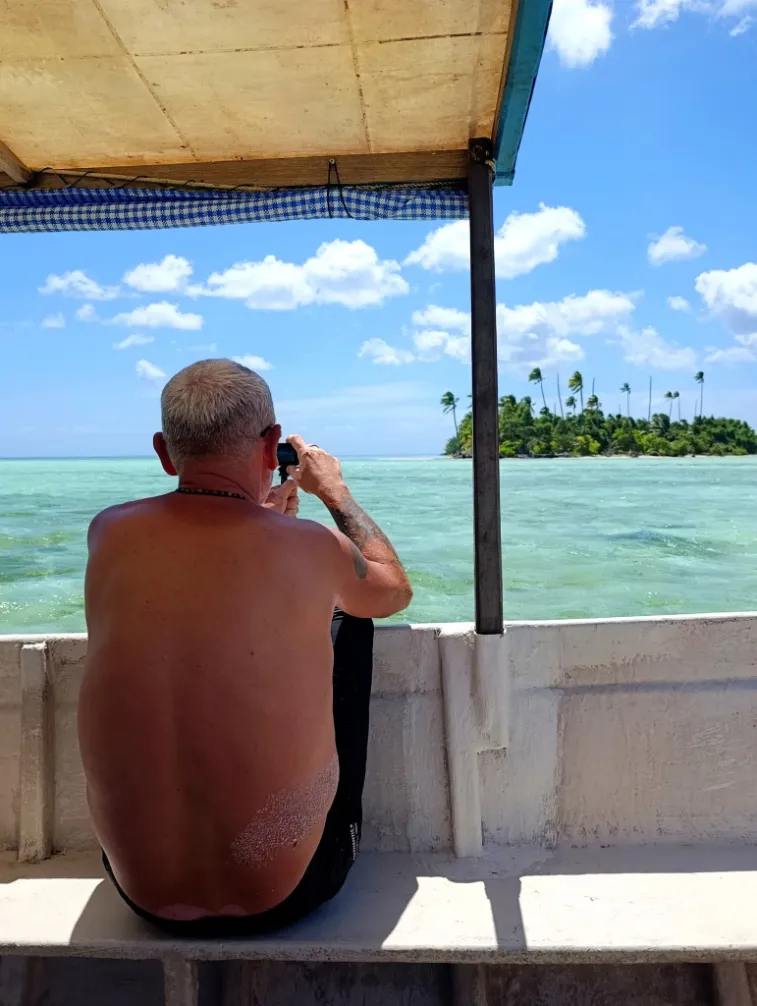
5 Beautiful Islands to Explore During Your Wakatobi Adventure
Wakatobi
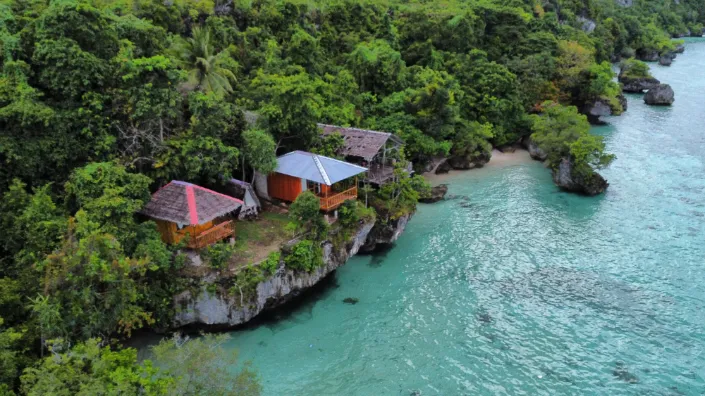
Choosing the Best Wakatobi Islands for Your Travel Experience
Wakatobi
.webp)
Wangi Wangi Island Travel Guide for Starting Your Wakatobi Adventure
Wangi-Wangi, Wakatobi
.webp)
Tomia Island Travel Guide for Exploring Beaches Reefs and Island Life
Tomia, Wakatobi
The Best Beaches and Coastal Destinations to Visit in Wakatobi
Wakatobi