
.webp)
The Best Lakes to Visit on Muna Island for Nature Lovers
A careful guide to Napabale Lake, Moko Lake, Moko Panjang, and Moko 2 as distinct inland-water experiences.
Explore Muna Island lakes through landscape character, local context, responsible access, photography, and practical route planning.
Muna Island is often introduced through its coast, but its inland lakes provide one of the clearest ways to understand the island as a varied landscape. Napabale Lake, Moko Lake, Moko Panjang, and Moko 2 appear as distinct destinations in the project data. They should not be merged into one generic claim about a beautiful lake because each name represents a separate planning question, image reference, and potential stop.
This guide is for nature lovers who prefer observation, landscape photography, quiet outdoor time, and routes that connect water with rock, vegetation, villages, and the wider coast. It explains what is known from the available data and marks access, facilities, fees, and activities that still require local confirmation. The aim is to help readers choose a realistic lake experience rather than promise conditions that have not been verified.
Why Muna Lakes Deserve Their Own Travel Guide
A lake is not simply a smaller beach. Inland water changes the pace of a journey and offers a different relationship between the visitor and the surrounding landscape. The shoreline, rock, vegetation, paths, settlement patterns, and local uses of water all influence what a traveler sees. Muna’s lake destinations are therefore useful for visitors who want to look beyond the open coast and understand how the island’s interior contributes to its identity.
Research connected with tourism objects in the Lohia area places lakes and other water features within a wider local tourism landscape. That context matters because it shows that inland water is not an accidental side trip added to a beach itinerary. It is part of the way the area is named, remembered, used, and experienced.
Napabale Lake: The Strongest Starting Point

Napabale Lake is the clearest starting point for a Muna lake route because its landscape is described through a relationship between inland water and the sea. Tourism descriptions place the lake among surrounding hills and refer to a natural connection through a tunnel. The distinctive feature is therefore not only the water surface. It is the way lake, rock, hill, and open coast can be read as one connected setting.
Visitors should treat the tunnel and water connection carefully. A natural passage is not automatically a safe swimming route, and conditions may change with tide, weather, water movement, and local access. Ask a guide where observation is appropriate and whether any water activity is permitted. A good visit can remain entirely focused on viewing, photography, and understanding the landform.
How to Experience Napabale Without Rushing
Nature lovers can use Napabale as an orientation stop rather than a quick photograph. Give the group time to look at the wider hills, notice the relationship between the lake and sea, and ask how the local route is used. The best arrival time, access condition, local fee, facilities, and recommended length of stay should be confirmed locally rather than copied from an old itinerary.
Keep the shoreline clean and stay within areas identified by local managers. Do not climb loose rock, enter water without guidance, or assume that an attractive viewpoint is safe for children or people with limited mobility. The lake can be peaceful, but peace does not remove the need for practical caution.
Moko Lake: A Separate Inland-Water Experience
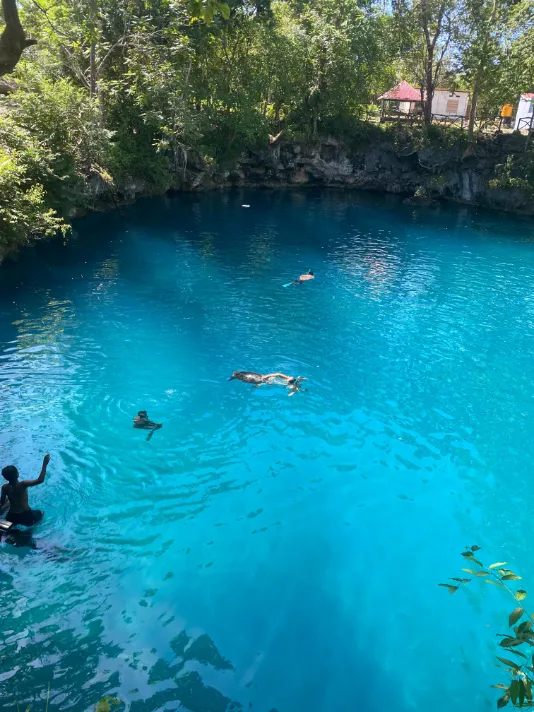
Moko Lake should remain a separate destination in both content and itinerary data. Its value comes from adding another inland-water setting to the Muna story rather than repeating Napabale under a different name. Travelers may appreciate a quieter landscape, changing shoreline textures, and a slower break between longer transfers. The available project data confirms the destination name and image asset, but does not establish identical facilities or access conditions.
Ask a local operator whether Moko Lake is best visited on its own, combined with another Moko stop, or used as an alternative when the route changes. Avoid claiming that it offers swimming, boating, food, toilets, or a fixed opening schedule unless those details have been checked for the date of travel.
Moko Panjang: A Longer Lake Landscape
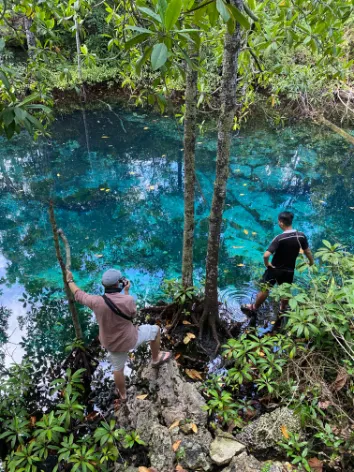
Moko Panjang is another named lake destination that helps prevent an overly narrow description of Muna. Its inclusion allows travelers to think about the island as a group of inland-water environments, each of which may have a different approach, visual character, and connection with nearby communities. It is suitable for visitors who enjoy a route with changing textures and time for observation rather than a fixed sequence of high-intensity activities.
The name should not be used as a substitute for Moko Lake or Moko 2. Before booking, confirm the exact location, route condition, guide requirement, and practical facilities. If several Moko destinations are planned on one day, allow enough time for movement and rest instead of assuming that nearby names mean short transfers.
Moko 2: Keep the Destination Distinct
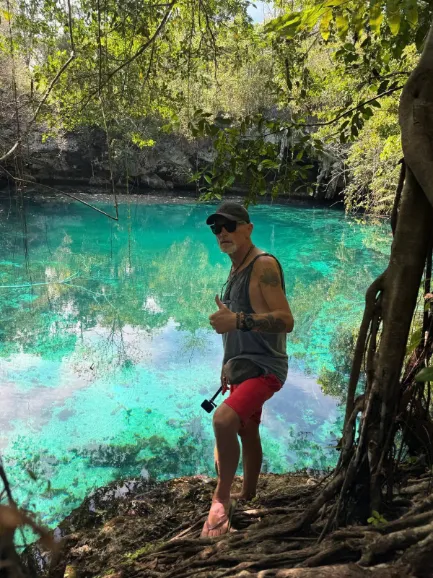
Moko 2 is important for accurate destination management because it is listed as its own spot. Travelers searching for Muna lake experiences should be able to tell whether a package includes Moko 2 specifically or refers only to another Moko location. Keeping the name distinct prevents a general lake description from creating the wrong expectation about the place included in a booking.
The experience can suit visitors who want an exploratory route, but the project does not verify its current access, facilities, visit duration, or permitted activities. Those details should be confirmed through the operator or local guide. Treat the separate name as an invitation to ask a precise question, not as evidence that every service is available.
Comparing the Four Muna Lake Options
Napabale Lake has the clearest connection to the coastal environment and works well as an introduction. Moko Lake adds a separate inland setting. Moko Panjang and Moko 2 expand the lake-focused route and provide options for travelers who want more than one water landscape. The available evidence supports these distinctions in the project data, but it does not justify ranking one as permanently the most beautiful or safest.
A better comparison asks what each traveler needs. Someone interested in a lake-and-sea relationship may prioritize Napabale. Someone who wants quiet photography may prefer a Moko location after confirming access. A family may need the easiest approach and nearby rest facilities. A nature enthusiast may accept a longer or less developed route. The operator should help match the name to the group’s actual needs.
Lakes, Karst, and the Muna Landscape
The visual character of Muna lakes is connected to the island’s limestone and karst setting. Rock can shape the shoreline, frame the water, and create a contrast between enclosed inland spaces and the open sea. This does not mean every lake has the same geology or that every visible rock formation should receive a technical label. It means that travelers can observe how landforms influence water and movement without inventing unsupported scientific claims.
A guide can add value by explaining local names, access routes, and community context. Ask which observations come from research and which are local interpretation. This distinction keeps the travel story accurate while still allowing the place to feel alive and meaningful.
Best Activities Around Muna Lakes
The most reliable activities supported by the available destination data are landscape observation, photography, quiet rest, and route discovery. Swimming, boating, fishing, snorkeling, and other water activities should not be promised without current confirmation of safety, permission, equipment, and local management. A lake visit can be rewarding even when the group does not enter the water.
Photographers should look for changing light, reflections, surrounding rock, vegetation, and the relationship between the lake and nearby human activity. Ask before photographing residents or private work. Avoid moving objects, damaging plants, or entering areas that local hosts identify as restricted.
Planning a Lake-Focused Day
A lake-focused day should include realistic transfer time, an arrival buffer, a meal and water plan, and enough time to observe each location. If two or more Moko destinations are included, confirm their order with the operator rather than assuming that the names indicate a simple walking route. Weather and road condition may require the group to change the sequence.
For mixed-age groups, place the easiest observation stop before a more demanding approach and schedule rest between locations. For photographers, fewer destinations with longer stops may produce a stronger experience. For visitors who want a wider Muna route, combine one lake with a cave or Meleura Beach rather than filling the entire day with similar stops.
Access, Facilities, and Local Confirmation
The project data identifies the lake names and dedicated assets, but it does not establish current entrance fees, opening hours, toilets, restaurants, safety equipment, walking distances, or guide availability for every location. These details must be confirmed before publication and before booking. A responsible article should distinguish a stable destination description from an operational fact that can change.
Ask the operator whether the vehicle reaches the viewpoint or shoreline, whether the route is affected by rain, whether drinking water is available, and which areas are appropriate for visitors. If the answer changes seasonally, record the date of confirmation. This practice keeps the page useful without turning a research gap into a made-up promise.
What to Bring for a Muna Lake Visit
Practical footwear, sun protection, drinking water, rain protection, personal medication, and a small first-aid supply are sensible starting points. Bring spare clothing if the operator confirms that water access or boat movement is part of the route. A dry bag can protect phones and cameras near water, but it should not be treated as permission to enter a lake or tunnel.
Carry waste until a suitable disposal point is available. Avoid single-use items when possible, and do not leave food, plastic, or cigarette waste near the shoreline. A quiet landscape can be easily affected by small groups, so preparation should include a plan for carrying everything back out.
Families and Nature Photographers
Families should ask about shade, walking surfaces, rest points, vehicle access, and the safest place for children to observe the water. Do not describe a lake as universally easy or family-friendly without checking the actual approach. A shorter stop with a clear viewing area may be better than a longer route with uncertain footing.
Photographers may want time at several water locations, but should avoid turning residents or daily activities into unrequested subjects. Ask before photographing people, boats, homes, or work. Use captions that identify the correct lake and do not imply that a photograph proves a facility, activity, or safety condition.
Responsible Lake Tourism
Lakes can be part of local routines as well as tourism routes. Visitors should stay aware of washing, fishing, transport, gathering, or other activities that may occur around the water. Do not block paths, disturb residents, or assume that a scenic shoreline is public in every direction. Follow local instructions about where to stand, swim, eat, and photograph.
Responsible behavior also protects the destination’s future. Keep water and rock clean, avoid damaging vegetation, do not remove stones or shells, and support locally coordinated services where appropriate. The goal is not to make the landscape feel controlled; it is to make sure nature tourism does not reduce the quality of life or access for people who use the area every day.
How Lakes Fit with the Muna Coast
A lake route becomes more meaningful when it is connected to the coast without pretending that inland water and beach experiences are the same. Napabale helps illustrate a relationship between lake and sea. Moko Lake, Moko Panjang, and Moko 2 broaden the inland perspective, while Meleura Beach offers open coastal space and a community tourism setting. Together, these places can create a varied day or multi-day theme.
The final sequence should depend on transfer time, weather, access, and group energy. A lake can open the day with quiet observation, a cave can provide guided exploration, and the coast can offer recovery. That is a planning concept, not a fixed promise. Confirm the exact route with the operator so the public article and commercial package remain aligned.
The Best Lake Experience Depends on Your Purpose
There is no universally correct lake for every nature lover. Napabale may be the strongest choice for understanding the relationship between inland water and the coast. Moko Lake may appeal to visitors who want a separate calm landscape. Moko Panjang and Moko 2 may suit travelers who want a broader exploratory route and are comfortable confirming more details locally.
The best choice is the one that matches the group’s interest, physical ability, available time, and tolerance for changing conditions. Use the destination names accurately, ask what is included, and allow the local team to explain the current route. Muna’s lakes are valuable not because they can all be ranked, but because together they reveal an inland side of the island that a beach-only itinerary would miss.
Final Advice for Visiting Muna Lakes
Plan the lake route with curiosity and restraint. Confirm access, facilities, safety, and permitted activities; bring what the environment requires; and leave room for weather or local changes. Treat each name as a real place with its own context rather than as interchangeable content for a listicle.
A successful lake visit may be quiet. It may consist of looking, listening, photographing carefully, learning a local name, and understanding how water belongs to the wider landscape. That slower form of nature travel is precisely what makes Napabale Lake, Moko Lake, Moko Panjang, and Moko 2 valuable additions to a Muna Island journey.
How Research and Local Knowledge Complete the Lake Story
A destination page can identify a lake and describe its visible character, but a complete travel decision also needs local knowledge. Research can explain how water objects fit into the Lohia tourism landscape or how a coastal system relates to community-based tourism. Local guides can add information about the route, current access, seasonal changes, appropriate behavior, and the meaning of a place for residents. Neither type of knowledge should be replaced by a generic online claim that a lake is simply beautiful or hidden.
Travelers should therefore treat the published article as a starting point for informed questions. Ask which name is used locally, whether the image corresponds to the exact site, what the group can do there, and how current conditions are checked. If the shoreline has changed, a road is damaged, or a community activity is not operating, the guide should explain the adjustment. This method protects the accuracy of the page and makes the visitor experience more honest than a fixed promise based only on an old photograph.
For nature lovers, the reward is a deeper sense of place. The lake is not only a surface to photograph; it is part of a landscape shaped by rock, water, weather, movement, and human use. The more carefully a traveler asks and observes, the more meaningful a quiet stop can become.
A Clear Choice for Different Kinds of Lake Travelers
Choose Napabale when the connection between inland water and the sea is the main curiosity. Choose a Moko location when the priority is a quieter inland landscape and the operator confirms the approach. Keep Moko Lake, Moko Panjang, and Moko 2 separate in your questions so the confirmed route is clear. This simple habit prevents a beautiful image from creating the wrong expectation about which lake a booking actually includes.
The best lake route is the one that gives the group enough time to arrive safely, observe respectfully, and leave without damaging the shoreline. It may include one lake in depth or several as part of a wider Muna journey. Either choice can be successful when it is based on current information rather than on a race to collect names.
Frequently Asked Questions
Which lakes are listed in the Muna destination data?
The project lists Napabale Lake, Moko Lake, Moko Panjang, and Moko 2 as separate Muna lake destinations.
Which Muna lake is best for a first visit?
Napabale Lake is a strong starting point because its landscape is connected in the available descriptions to the surrounding hills and the sea. The best choice still depends on current access and the group’s interests.
Can visitors swim or boat at the Muna lakes?
Do not assume that swimming or boating is available. Confirm permission, safety, equipment, water conditions, and local guidance before planning any water activity.
Are Moko Lake, Moko Panjang, and Moko 2 the same place?
They are listed as separate destinations in the project data and should remain separate in the itinerary until a local operator confirms how they are connected.
What should travelers bring?
Bring practical footwear, drinking water, sun and rain protection, personal medication, and spare clothing when the confirmed route involves water or boat movement.
Plan your journey with Laode Traphel.
You May Also Like
10 Amazing Places to Explore in Wakatobi for an Unforgettable Journey
Wakatobi
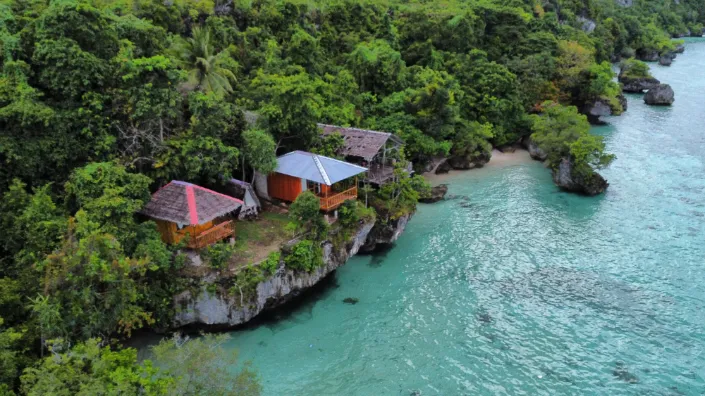
Kaledupa Island Travel Guide for Exploring Nature and Local Island Life
Kaledupa, Wakatobi
.webp)
The Best Snorkeling Destinations to Explore in Wakatobi
Wakatobi
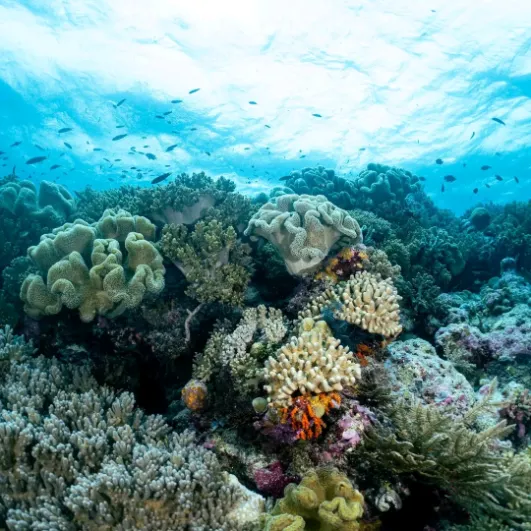
The Best Time to Visit Wakatobi for Diving Snorkeling and Island Travel
Wakatobi
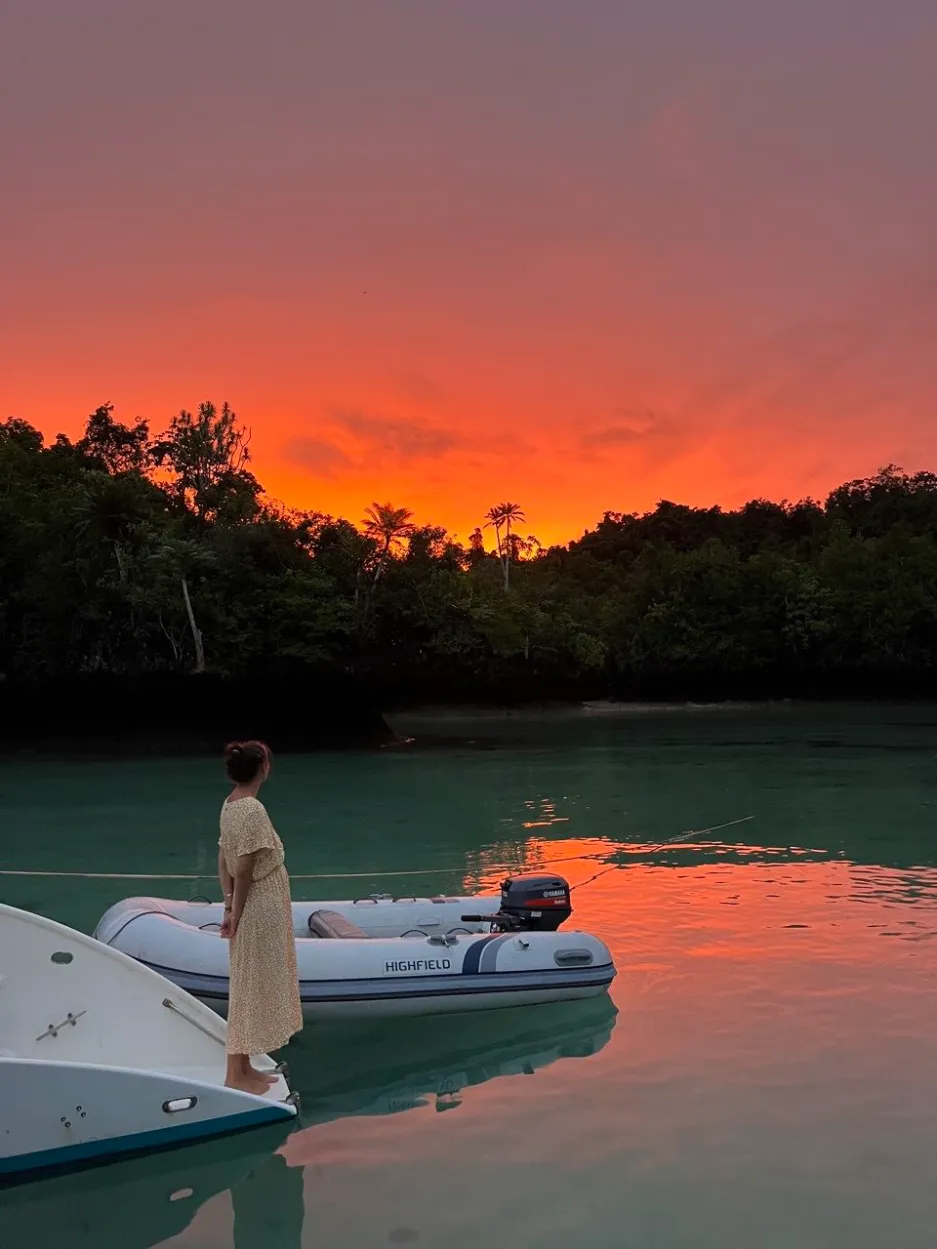
The Best Time to Visit Muna Island for Nature Culture and Adventure
Muna
.webp)
How to Plan the Perfect Muna Island Trip for Nature and Culture
Muna