
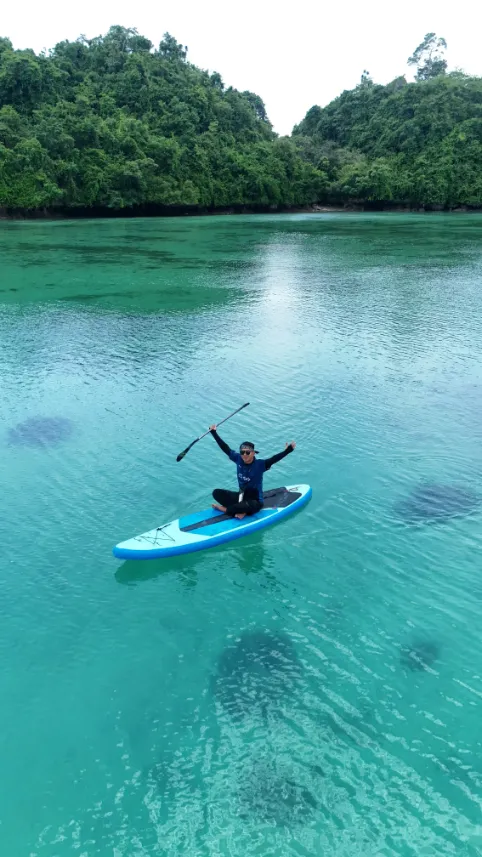
A Complete First Time Travel Guide to Muna Island
A first-visit guide to choosing Muna landscapes, preparing for local conditions, and traveling respectfully.
Plan your first Muna Island journey around lakes, caves, ancient heritage, coastal landscapes, and community-based experiences.
A first visit to Muna Island is easier to plan when the island is understood as more than a beach destination. The available destination data brings together inland lakes, limestone caves, ancient cave art, coastal scenery, and villages connected to the sea. Each setting offers a different experience and also asks travelers to prepare differently.
This guide is designed for first-time visitors who need a realistic starting point. It explains what to prioritize, how to combine different landscapes, what information must be confirmed locally, and how to visit natural and cultural places with respect. It does not promise fixed travel times, facilities, or activities that are not verified in the current project data.
Start by Choosing Your Muna Travel Theme
First-time visitors should decide whether the main interest is inland water, caves and heritage, beaches, community experiences, or a balanced combination. Napabale Lake and the Moko locations suit a quieter landscape route. Angel Cave and Laumehe Cave require more careful movement. Liang Metanduno adds a heritage dimension, while Meleura Beach provides a coastal pause. Choosing a theme helps prevent an itinerary from becoming a rushed list of unrelated stops.
Understand the Main Landscapes Before Building a Route
Muna offers clear contrasts between lakes, karst formations, caves, and the coast. Napabale Lake is associated with a natural connection between inland water and the sea, while Meleura is described through beach, clear seawater, karst rock, and a community tourism setting. These are not interchangeable attractions. A lake visit may be focused on observation, a cave visit on guided exploration, and a village visit on respectful interaction.
Plan the First Days Around Comfort and Access
A comfortable route can begin with a lake or coastal landscape, place an active cave or heritage visit when the group has enough energy, and use Meleura or another calm setting as recovery time. The final order should be checked against road conditions, weather, sea conditions, guide availability, and the physical needs of the group. Do not publish a fixed schedule until those details have been confirmed.
Prepare for Caves and Ancient Heritage
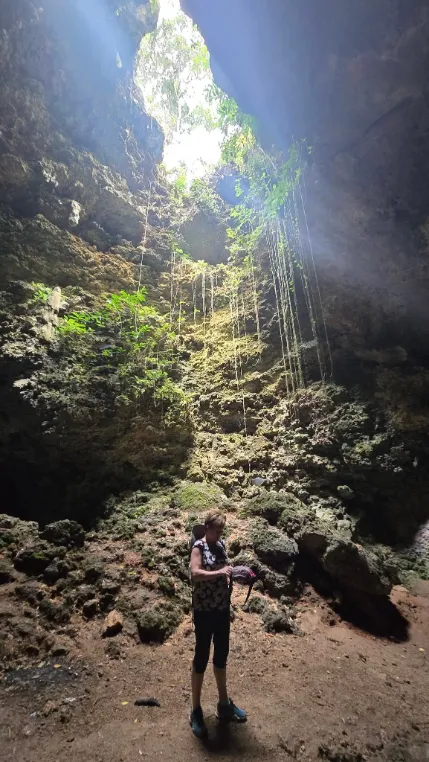
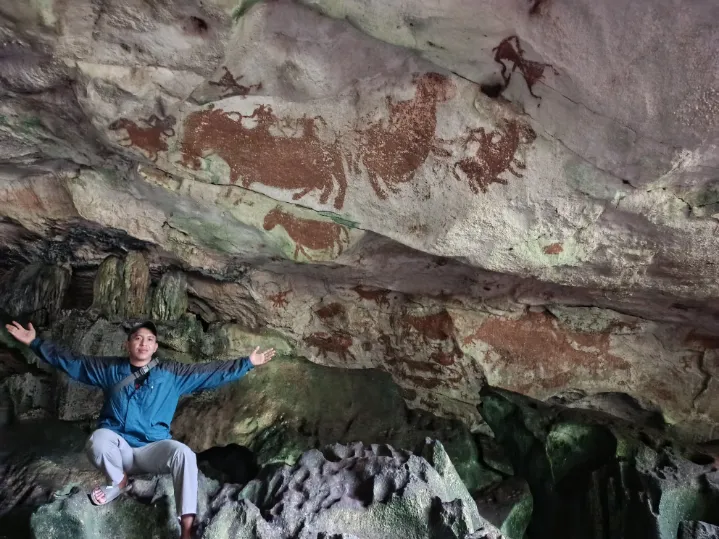
Angel Cave and Laumehe Cave should be treated as guided nature experiences because ground conditions, lighting, moisture, and access may vary. Liang Metanduno requires additional care because Nature research published in 2026 reported a minimum-age constraint of about 67.8 thousand years for a studied hand stencil. Visitors should not touch, mark, wet, or remove anything from cave or rock-art surfaces.
Visit Coastal Communities as a Guest
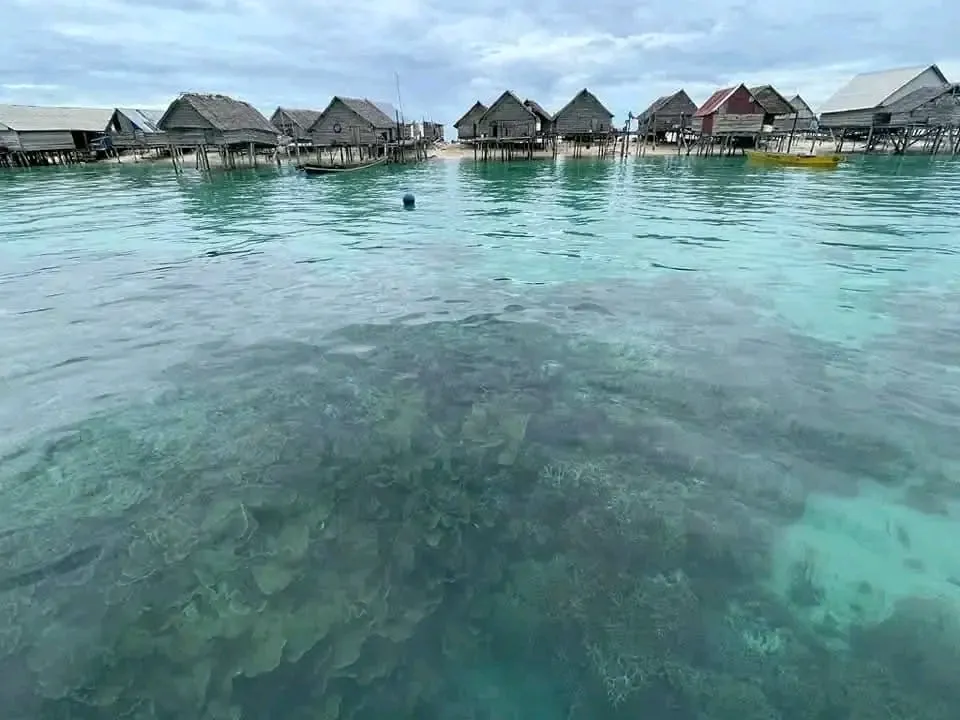
Bajau Tribe Village and Sandbar Bajau Village are living communities, not staged attractions. Ask permission before taking photographs, follow a local host or guide, and avoid entering private areas or interrupting daily work. Community arrangements, visit rules, contributions, and hosting availability must be confirmed before departure rather than assumed from a destination label.
What to Confirm Before Booking
Ask the operator which exact destinations are included, where pickup begins, how local transfers are arranged, what accommodation and meals are included, and whether entrance fees or guides are separate. Also confirm physical requirements, current road or boat conditions, weather sensitivity, and the facilities available at each stop. The project data supports the destination character, but operational details can change.
A Responsible First Muna Itinerary
A first route can use Napabale Lake or a Moko location to introduce the island, continue to a carefully guided cave or heritage site, and finish with Meleura Beach or a community-based coastal experience. This sequence is a planning framework rather than a guaranteed daily program. A local operator should adjust it when weather, access, or community timing requires a different order.
How to Choose Between Lakes, Caves, and the Coast
A first-time traveler does not need to visit every named attraction to understand Muna. Start by asking what kind of day feels most rewarding. A lake-focused day is suitable for travelers who prefer landscape photography, quiet observation, and shorter activity periods. A cave-focused day is better for people comfortable with uneven surfaces and guided movement. A coastal day can combine scenery, rest, and a community conversation, but it still depends on weather and current sea conditions. This simple distinction makes planning clearer than using a general label such as “Muna tour.â€Â
Families and mixed-age groups may benefit from alternating environments. A lake or beach can provide recovery time after a cave visit, while a cultural village should have enough space in the schedule for respectful interaction. More active travelers can give greater weight to caves and karst scenery, but they should still ask about access and physical demands before departure. The correct route is therefore the one that fits the group, not necessarily the one with the greatest number of destinations.
Transport, Pickup, and Island Logistics
The final travel experience depends on more than the attraction names shown on a page. Before booking, confirm the pickup city, the transfer sequence, the vehicle type, and whether any boat or local transport is included. A route that looks compact on a map may take longer when roads, loading points, weather, or connections are considered. Ask the operator to explain which movement happens by road and which part depends on local marine transport.
The same question should be asked about the return journey. Travelers should know where the route ends, how much time is reserved for the final transfer, and what happens if weather or a delayed connection changes the plan. Do not fill these gaps with invented distances or fixed travel times. A transparent itinerary can state what is confirmed and identify what will be checked by the team before departure.
Accommodation and Daily Pacing
Accommodation should be discussed as part of the route rather than treated as a separate detail. Ask where the group will stay, how close it is to the next day’s first stop, what room arrangements are available, and whether meals are included. The most comfortable schedule is not always the one that begins earliest and ends latest. Rest, shower access, food timing, and preparation for a cave or boat transfer can determine how enjoyable the following day feels.
A realistic daily rhythm gives each main attraction enough attention. A lake visit may need time for orientation and photography, while a cave requires careful walking and a slower group pace. A village visit can feel rushed if it is placed between long transfers. Build the route around meaningful stops, not around a promise to fill every hour. If the operator needs to change the order, preserving the group’s comfort should be more important than keeping a promotional sequence unchanged.
Food, Water, and Personal Preparation
Travelers should confirm which meals are included and where food is available during transfers. Do not assume that every attraction has a restaurant, shop, or reliable drinking-water point. Bring personal drinking water where appropriate, and tell the operator about allergies, medical needs, or dietary restrictions before the trip. These details are especially important when a route includes caves, remote coastal areas, or long periods between settlements.
Pack according to the environments rather than according to a generic beach holiday. Practical shoes are more useful for caves and uneven paths than open sandals. Sun protection, rain protection, a small personal first-aid supply, medication, and spare clothing can make the route more manageable. A dry bag may be useful when local boat transfers are involved, but the operator should confirm what equipment is actually necessary.
Photography and Digital Storytelling
Muna offers varied visual subjects: calm lake surfaces, limestone formations, coastal water, village details, and heritage spaces. Good photography begins with observing the setting rather than treating every location as a background. Ask permission before photographing residents, guides, homes, boats, work, or community activities. A respectful conversation often produces a better understanding of the image than taking a photograph without context.
Ancient cave art requires stricter care. Follow rules about distance, lighting, flash, and equipment, and never place a hand, bag, tripod, or camera against a heritage surface. Do not publish a dramatic age statement without identifying the evidence behind it. Nature research on Liang Metanduno concerns a dated calcite layer over a studied hand stencil; it should not be turned into a claim that every cave image on Muna has the same age. Accurate captions are part of responsible travel content.
Weather and Flexible Decision Making
Muna planning should include a decision process for changing conditions. Rain can affect cave approaches and roads, while wind and sea state can affect coastal or boat-based activities. A local guide or operator is better placed to decide whether a location is safe and accessible on a particular day. Travelers should ask how changes are handled before paying a deposit, including whether an alternative stop or a different order is available.
Flexibility does not mean the package lacks structure. It means the structure recognizes that natural and community-based destinations cannot always be controlled like an indoor attraction. A clear operator should explain which locations are central to the booking, which are weather-dependent, and how the group will be informed when an adjustment is needed. This gives travelers a more accurate expectation than a schedule that appears precise but cannot respond to real conditions.
Muna for Families, Photographers, and Small Groups
Families should discuss walking surfaces, shade, rest points, meal timing, and the suitability of cave access for children or older travelers. A route that includes a lake, a beach, and a shorter cultural visit may be more comfortable than one built around several active locations in succession. The operator should know the group’s ages and mobility needs before confirming the itinerary.
Photographers may prefer fewer stops with longer observation periods. Napabale Lake, Moko locations, and Meleura can support different visual approaches, while Liang Metanduno requires heritage-sensitive photography rather than an unrestricted shooting session. Small groups can often make local coordination and respectful conversation easier, but they should still follow the same permission and access rules. Matching the route to the group produces a stronger trip than using one itinerary for everyone.
A Practical First-Timer Checklist
Before departure, save the confirmed contact person, pickup location, accommodation details, emergency information, and the names of the destinations included in the booking. Check whether the quoted amount includes transport, meals, entrance fees, local guides, accommodation, and boat transfers. Ask what happens when weather or access changes, and keep a small time buffer around important connections.
On the day, follow the local guide’s instructions, carry waste until a suitable disposal point is available, and avoid removing shells, stones, plants, or heritage material. At lakes and beaches, protect the shoreline. In caves, stay on the appropriate route and leave surfaces untouched. In villages, behave as a guest. These simple actions make the first Muna visit safer, more accurate, and more valuable for both travelers and host communities.
Match the Route to Physical Ability
A first-time guide should make room for differences in stamina, mobility, age, and confidence. The image of a cave or beach does not reveal how far the group must walk from the vehicle, whether the surface is slippery, or whether shade and rest points are available. Ask for a plain description of the approach to Angel Cave, Laumehe Cave, and any other active stop. Travelers should be able to decide whether a location suits them before the day begins, rather than discovering the physical demand after the group has already committed to the route.
A mixed group can still travel together when the itinerary includes optional levels of participation. One person may prefer a longer photo stop at a lake while another joins a guided cave section. This should be discussed with the operator in advance so transport, supervision, and meeting points are clear. Do not describe a route as easy, family-friendly, or accessible without evidence. Accurate language helps visitors prepare and protects the operator from promising an experience that cannot suit every body.
Read the Package Details Against the Article
Travel content should help readers ask better booking questions, not replace the booking confirmation. Compare the article’s destination names with the actual package itinerary and ask whether Napabale Lake, Moko Lake, Moko Panjang, Moko 2, Angel Cave, Laumehe Cave, Meleura Beach, or the Bajau villages are included by name. Similar descriptions can refer to different routes, and a photograph from the wider destination does not automatically prove that the place is part of a package.
Also separate editorial structure from commercial duration. An article may explain a complete travel theme across several stages while the available package lasts fewer days. Confirm the duration, ideal group size, price, pickup area, inclusions, and final route with Laode Traphel before publishing a booking promise. This distinction keeps the article useful for discovery while ensuring that the product page remains the authority for current commercial terms.
Support Local Value Without Overstating the Experience
A community-based visit is more meaningful when local people have a real role in guiding, hosting, interpreting, or providing services. Travelers can ask whether local guides, food providers, boat operators, or village hosts are involved and how the visit is organized. They should not demand access to private spaces or treat cultural knowledge as a free performance. A respectful contribution, a local purchase, or the use of an agreed service can support the destination, but the terms should be transparent and welcomed by the community.
The same care applies to the language used online. Avoid calling a place untouched, secret, authentic, or undiscovered when people already live and work there. Avoid presenting residents as scenery or promising a guaranteed encounter with a community. Describe what the available research and local tourism references support, then mark current arrangements for confirmation. This approach gives readers a more honest picture and reduces the pressure created by exaggerated destination marketing.
After the Trip: Record What Needs Updating
A useful travel article should remain open to correction. After a departure, the team can record which access routes were practical, which facilities were available, how long transfers actually took, and whether the published description matched the visitor experience. These notes should be dated because roads, services, site rules, weather patterns, and community arrangements can change. They should improve future planning without being presented as a permanent guarantee for every traveler.
Readers also benefit when the site distinguishes verified observation from general guidance. A photograph can confirm that an image asset represents a named destination, but it cannot establish current opening hours or water safety. A research paper can support an archaeological statement, but it does not automatically establish a tour price or visitor rule. Keeping those evidence types separate makes the blog more credible and gives the team a clear method for updating the page when new information arrives.
The First Visit Should Leave Room for Discovery
A well-prepared first trip does not need to control every moment. Confirm the important logistics, understand the physical and cultural expectations, and then leave enough space to notice details that cannot be captured in a package summary. The color of a lake changes with light, a cave feels different when the guide explains its surface, and a coastal village has meaning that cannot be reduced to a short caption. These observations are not substitutes for accurate planning; they are what planning makes possible when the group is not rushing from one promised stop to another.
Muna is most rewarding when travelers allow the island to remain specific. Napabale is not simply a lake, Liang Metanduno is not simply a photo location, Meleura is not simply a beach, and a Bajau village is not simply an itinerary label. Each place has its own conditions, history, people, and boundaries. A first-time visitor who respects those differences can return with a clearer understanding of the destination and with a route that is easier to improve for the next journey.
Frequently Asked Questions
What should first-time visitors see on Muna Island?
A balanced first visit can combine a lake such as Napabale or one of the Moko locations, a guided cave or heritage stop, Meleura Beach, and a community-based coastal experience. The final selection depends on access and available time.
Is Muna Island suitable for travelers who do not want difficult activities?
It can be, provided the route prioritizes lakes, coastal scenery, photography, and rest while confirming access conditions. Cave visits may involve uneven ground and should be assessed before booking.
What should I bring to Muna Island?
Prepare practical footwear, sun and rain protection, drinking water, personal medication, and spare clothing according to the route. A guide or operator should confirm any equipment needed for caves or boat transfers.
Can I photograph local communities and ancient cave art?
Ask permission before photographing people and follow local restrictions at heritage sites. Never touch, mark, wet, or damage ancient rock art or cave surfaces.
Plan your journey with Laode Traphel.
You May Also Like
10 Amazing Places to Explore in Wakatobi for an Unforgettable Journey
Wakatobi
Kaledupa Island Travel Guide for Exploring Nature and Local Island Life
Kaledupa, Wakatobi
.webp)
The Best Snorkeling Destinations to Explore in Wakatobi
Wakatobi
The Best Time to Visit Wakatobi for Diving Snorkeling and Island Travel
Wakatobi
The Best Time to Visit Muna Island for Nature Culture and Adventure
Muna
.webp)
How to Plan the Perfect Muna Island Trip for Nature and Culture
Muna